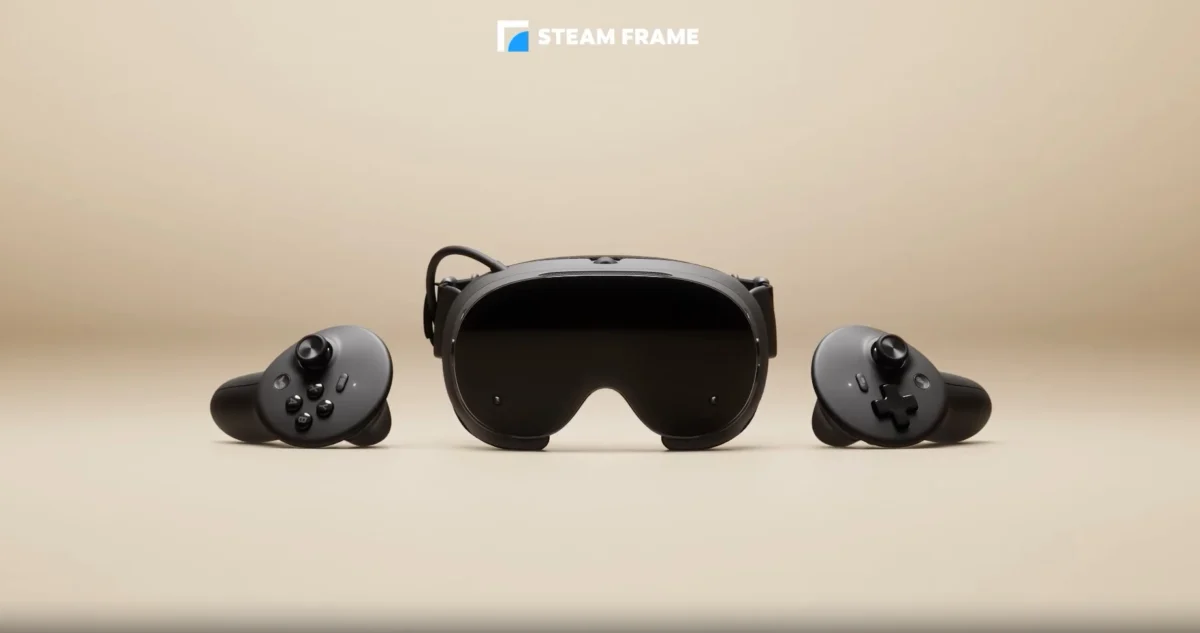
The modern gaming landscape is largely dominated by digital distribution, cloud gaming, and continuous online updates, leaving physical media like CDs, DVDs, and game cartridges feeling like relics of a bygone era. However, hardware manufacturers occasionally face unexpected reminders that retro gaming and physical preservation remain deeply important to segments of their user base. Valve Corporation recently demonstrated this responsiveness when a single user request prompted a developer to add external CD drive support to the Linux kernel of the Steam Frame virtual reality headset. The update, completed in less than ten minutes after initial acknowledgement, highlights the impressive agility of Valve’s software engineering team and underscores a growing consumer appetite for backward compatibility and physical media accessibility across modern hardware platforms.
Chronology of the Request and Rapid Development
The sequence of events began on October 18, 2026, within the official Steam Community forums. A user identified under the moniker AiodensGhost submitted a feature request regarding the Steam Frame—Valve’s standalone virtual reality and mixed-reality headset ecosystem. The user proposed a somewhat unconventional idea: connecting an external optical disc drive to the Steam Frame via USB to watch movies while traveling and to install legacy PC titles from the 2000s directly onto the headset. Among the specific titles mentioned was Electronic Arts’ classic street racing game, Need for Speed: Carbon, which originally launched on optical media in 2006.
At the time of the request, the Steam Frame operating system—built upon a customized Linux kernel tailored for extended reality (XR) environments—lacked the necessary driver configurations to recognize and mount external CD-ROM filesystems. Typically, hardware feature requests of this nature languish in community forums for months, often buried under thousands of bug reports and general feedback threads, before product managers evaluate them for future software roadmaps.
However, the trajectory of this specific request shifted dramatically just one day later. On October 19, 2026, a Valve software developer operating under the GitHub and community handle "gaberowe" formally responded to the forum thread, stating that the engineering team would look into the feasibility of the request. In an impressive display of development turnaround, mere minutes after issuing the public acknowledgement, the developer pushed a commit directly to the Steam Frame’s Linux kernel source repository.
Rather than engineering a brand-new proprietary driver from scratch, the developer simply enabled the standard CD-ROM/DVD-ROM storage drivers already embedded within the upstream Linux kernel source tree—drivers that had been omitted from the initial Steam Frame build due to the device’s primary focus on wireless streaming and internal digital storage.
Current Status and Official Rollout Roadmap
Despite the speed with which the code was written and committed, users rushing to plug external USB DVD drives into their Steam Frames will not find immediate functionality. The code addition currently resides exclusively within the source repository’s staging branch.
Standard software engineering protocols dictate that any kernel-level modification must undergo rigorous automated and manual testing to ensure it does not introduce memory leaks, system instability, or security vulnerabilities. Following the testing phase, the update must be packaged into an upcoming official over-the-air (OTA) system update for the Steam Frame. As of press time, Valve has not announced a definitive release date for the firmware update that will deliver the CD-drive functionality to end-users globally.
Broader Context of Valve’s Open Ecosystem Strategy
Valve’s swift compliance with a niche user request aligns with the company’s long-standing corporate philosophy regarding open platforms and user empowerment. Unlike closed console ecosystems governed strictly by proprietary restrictions—such as those maintained by Sony, Microsoft, and Nintendo—Valve has historically fostered a culture of flexibility, heavily inspired by its dedication to PC gaming and the Linux-based SteamOS ecosystem.
The Steam Deck handheld console, which shares ideological and architectural DNA with the Steam Frame, set a precedent for this open-source philosophy. By treating its hardware devices essentially as portable, locked-down-optional PCs, Valve has encouraged users to install third-party software, alternative operating systems, and even peripheral hardware never officially envisioned by the marketing department. Adding optical drive support to the Steam Frame, while initially appearing as a novelty, reinforces Valve’s commitment to transforming its hardware lineup into versatile computing devices rather than restrictive walled gardens.
Technical Implications and Physical Media Preservation
While virtual reality headsets are engineered to immerse users in high-resolution digital environments, the integration of legacy peripheral support touches upon wider discussions surrounding digital preservation. In recent years, game preservationists and archivists have raised alarms regarding the "fade" of digital storefronts, server shutdowns, and the legal gray areas surrounding emulation.
By enabling support for external optical drives, Valve indirectly acknowledges that users possess legacy digital assets—ranging from archival software on CD-ROMs to personal audio and video collections—that they may wish to access across modern hardware iterations. Technically, enabling CD-ROM support in the Linux kernel is a lightweight task, consuming virtually zero overhead when no drive is attached. However, the downstream implications are notable:

- Peripheral Versatility: It opens the door for users to connect other USB mass-storage classes and legacy peripherals that rely on older filesystem formats (such as ISO 9660).
- Emulation and Portability: Combined with third-party compatibility layers and emulators available within the Linux ecosystem, users gain expanded avenues for accessing older software libraries.
- Media Consumption: Users traveling with limited internet connectivity can utilize portable USB optical drives to play physical DVDs or audio CDs directly through compatible media player applications on the headset.
Industry Reactions and Consumer Sentiment
The developer’s rapid response has generated widespread discussion across tech and gaming subreddits, technical forums, and industry analysis blogs. Many consumer advocates have praised Valve for maintaining an active line of communication with its community, contrasting this responsiveness with the bureaucratic and opaque customer support pipelines typical of larger consumer electronics giants.
Conversely, industry analysts point out that while the gesture is heartwarming and great for public relations, the commercial utility of CD drives in the era of cloud computing and high-speed fiber internet remains exceedingly low. The vast majority of Steam Frame owners will likely never plug an external optical drive into a VR headset. Yet, the psychological impact of feeling heard by a multi-billion-dollar corporation cannot be overstated. It fosters intense brand loyalty and validates the investment of early adopters who purchase cutting-edge hardware during its infancy.
Conclusion and Future Outlook
Valve’s impromptu addition of CD-drive support to the Steam Frame kernel serves as a fascinating case study in modern software development and community relations. It highlights how minor developer interventions, executed with minimal friction, can dramatically elevate consumer sentiment and breathe unexpected versatility into hardware architectures.
As the industry marches steadily toward a fully digital, cloud-reliant future, incidents like this provide a comforting reminder that the builders of our modern gaming gear still harbor an appreciation for computing heritage. Whether future updates will see a surge of users strapping portable CD drives to their VR headsets remains to be seen, but the capability will soon exist—all thanks to a single forum post and a developer who was willing to spend ten minutes updating a kernel configuration.