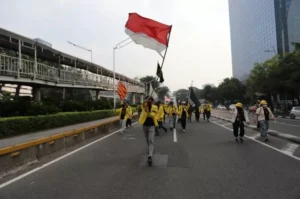
The future trajectory of any urban center is inextricably linked to how effectively it nurtures, protects, and empowers its younger demographics. This fundamental principle takes center stage as communities across Indonesia observe the 98th anniversary of the historic Youth Pledge, or Sumpah Pemuda, on Wednesday, October 28, 2026. While historical celebrations traditionally focus on the macro-level nationalism forged in 1928, contemporary discourse increasingly shifts toward the micro-level vulnerabilities confronting modern youth. In rapidly developing urban hubs like Pangkalpinang, the modern socio-technological landscape presents multifaceted hazards that require proactive, empathetic intervention rather than reactive law enforcement alone.
Modern Vulnerabilities and the Digital Frontier
In an era defined by hyper-connectivity and rapid globalization, the challenges encountered by adolescents and young adults have evolved far beyond traditional delinquency. Modern youth navigate a complex matrix of psychological and digital pressures that are frequently invisible to parents, educators, and law enforcement agencies. These risks permeate daily life through the glowing screens of mobile devices, insular peer networks, unmitigated social media exposure, and internalized personal crises that young people often conceal from their immediate support systems.
Among the most pressing concerns facing contemporary society are the proliferation of online gambling platforms, the insidious spread of synthetic and prescription narcotics, sophisticated digital financial scams, and pervasive cyberbullying. Criminologists and sociologists note that these phenomena do not occur in a vacuum; they are often symptomatic of deeper systemic anxieties, economic uncertainties, and a profound sense of alienation among the digital native generation. Behind every statistical infraction or reported case of juvenile delinquency lies a human narrative—a young individual grappling with isolation, peer pressure, or entrapment, frequently lacking a safe channel to articulate their distress or seek professional guidance.
A Proactive Policing Paradigm in Pangkalpinang
Amid these evolving paradigms, regional law enforcement agencies are re-evaluating their operational philosophies to better address youth-centric vulnerabilities. For Pangkalpinang Police Chief, Kombes Pol Indra Wijatmiko, the commemoration of the Youth Pledge serves as a vital institutional reminder that safeguarding the younger generation must begin long before behavioral issues escalate into criminal offenses or legal violations.
"Do not wait for a young person to become entangled in serious trouble before reaching out to them. There are critical moments when they simply require someone willing to listen before their circumstances deteriorate beyond immediate repair. That is precisely where the presence of the police must be felt," Kombes Pol Indra Wijatmiko stated during regional reflections on the Youth Pledge.
This philosophy champions a proactive, community-oriented policing model. Rather than relying exclusively on punitive measures after a crime has been committed, the Pangkalpinang Police framework positions law enforcement personnel as accessible community anchors. By engaging with youth in schools, community centers, and digital spaces, authorities aim to bridge the historical gap between law enforcement and the younger demographic, fostering an environment where seeking help is viewed as a sign of resilience rather than weakness.
Balancing Empathy with Professional Enforcement
A core tenet of modern youth protection strategy is the nuanced understanding that not all juvenile issues can, or should, be resolved through formal legal sanctions. Societal missteps among youth often stem from temporary disorientation, lack of guidance, or situational coercion rather than inherent criminal intent. Consequently, an effective institutional response requires a calibrated continuum of care.
Certain situations demand intensive psychological counseling, family mediation, and social support networks. Other scenarios necessitate targeted protective intervention to remove individuals from abusive or high-risk environments. Meanwhile, severe offenses involving organized crime, narcotics distribution, or severe digital fraud still require firm, professional legal enforcement to maintain public safety and deter syndicated exploitation.
Navigating this complex spectrum demands exceptional discernment from frontline officers. Understanding the subtle boundaries between a troubled youth in need of mentorship and an individual actively engaged in unlawful enterprise is a critical competency for contemporary law enforcement agencies operating in dynamic urban environments.
The Hidden Struggles of the Digital Generation
Sociological analyses of urban youth in mid-sized Indonesian cities reveal a concerning trend: the prevalence of high-functioning concealment. Many adolescents maintain an outward appearance of academic and social stability while privately carrying immense emotional and psychological burdens. The pressure to curate flawless digital identities on social media platforms often exacerbates feelings of inadequacy and depression.
Furthermore, predatory actors in the digital sphere frequently exploit this psychological vulnerability. Online gambling syndicates utilize sophisticated targeted advertising and gamified interfaces to lure financially insecure youths, while narcotics networks increasingly leverage encrypted messaging applications to distribute illicit substances discreetly. Because these activities occur primarily within the private digital spaces of mobile phones, traditional familial oversight is frequently rendered ineffective.
This systemic invisibility underscores the necessity of fostering non-judgmental communication channels. Experts emphasize that young people are acutely deterred from seeking help if they anticipate immediate moral condemnation or severe punitive backlash from authority figures. Therefore, institutional humanism within police forces and educational institutions must extend beyond superficial friendliness; it requires a genuine capacity for active listening, proportional risk assessment, absolute respect for human dignity, and precise adherence to legal and ethical standards.
Socio-Economic Implications and Future Outlook
The long-term socio-economic implications of effectively protecting and guiding the youth demographic are profound. As Indonesia advances toward its demographic dividend, the productivity, mental resilience, and moral integrity of the current younger generation will dictate national competitiveness on the global stage. Cities that fail to insulate their youth from the ravages of narcotics, gambling addiction, and digital exploitation risk cultivating a marginalized workforce, heightened societal friction, and increased burdens on public healthcare and correctional systems.
Conversely, municipalities that implement robust, multi-layered youth protection frameworks—combining empathetic policing, educational outreach, digital literacy programs, and accessible mental health resources—lay the groundwork for sustainable urban prosperity. The insights articulated during the 98th Youth Pledge commemoration in Pangkalpinang reflect a growing consensus that national security and youth welfare are indivisible concepts.
Ultimately, safeguarding the architects of tomorrow’s society demands a synchronized, whole-of-community effort. It requires parents, educators, religious leaders, civil society organizations, and law enforcement agencies to dismantle traditional silos of responsibility. By transforming police stations and civic institutions into trusted sanctuaries of dialogue and support, communities can ensure that the ideals of the 1928 Youth Pledge—unity, nationalism, and collective progress—continue to resonate meaningfully within the complex realities of the twenty-first century.