PT Jasa Raharja (Persero) has swiftly mobilized its regional operational network to provide comprehensive emergency services, medical coordination, and financial guarantees following a catastrophic traffic collision on the Terbanggi Besar-Pematang Panggang-Kayu Agung (Terpeka) Toll Road. The tragic incident, which involved a passenger minibus and a heavy-duty Fuso truck, occurred at Kilometer 198+100 Lane A within the jurisdiction of Tulang Bawang Barat Regency, Lampung Province. The collision resulted in a devastating loss of life, leaving six individuals dead and four others sustaining varying degrees of injuries. As the leading state-owned enterprise entrusted with traffic accident social insurance, Jasa Raharja immediately deployed personnel to the scene and local medical facilities to ensure that all victims and their grieving families receive the full extent of protection mandated by Indonesian law.
The catastrophic event underscores ongoing concerns regarding high-speed commercial and passenger transport safety along major trans-island toll corridors. In the wake of the disaster, institutional responses have focused on rapid victim identification, logistical coordination with law enforcement agencies, and the immediate issuance of medical guarantees to regional hospitals handling the surviving casualties.
Immediate Institutional Response and On-Ground Coordination
Following the initial reports of the collision, the leadership of PT Jasa Raharja mobilized internal response teams through its regional office in Lampung. Directing operations from the corporate level, President Director Muhammad Awaluddin emphasized that the organization’s primary objective in the immediate aftermath of such a crisis is to alleviate the suffering of the victims’ families and to remove any bureaucratic obstacles standing in the way of emergency medical care.
"We extend our deepest condolences to the families of those who tragically lost their lives in this horrific accident," stated Awaluddin, reiterating the corporate commitment to rapid humanitarian assistance. "Our regional office in Lampung has been instructed to maintain constant communication and coordination with the Indonesian National Police and receiving medical institutions to guarantee that every victim receives appropriate handling and legal protection under existing regulations."
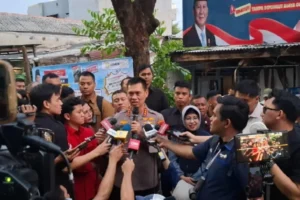
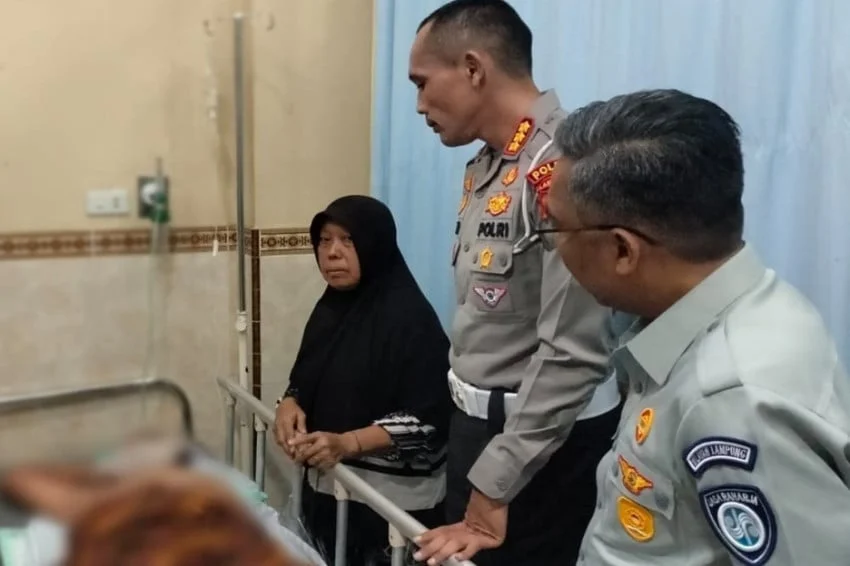
Upon receiving notification of the crash, dispatched Jasa Raharja field officers immediately coordinated with the Directorate of Traffic (Ditlantas) of the Lampung Regional Police and the Traffic Unit (Satlantas) of the Tulang Bawang Barat Resort Police. These teams undertook multi-pronged responsibilities, including conducting physical investigations at the crime scene, collecting primary data regarding the identities of the deceased and injured, and establishing direct contact with medical professionals at the hospitals where the wounded were admitted. Furthermore, institutional representatives personally visited surviving victims receiving treatment at RS Mutiara Bunda and RS Griya Medika Dompet Dhuafa to monitor their medical progress and reassure them regarding the coverage of their hospital expenses.
Statutory Compensation Framework and Financial Guarantees
Under Indonesian regulatory frameworks, all victims involved in this highway disaster fall strictly within the protective scope of Law Number 34 of 1964 concerning the Road Traffic Accident Compulsory Insurance Fund, alongside Law Number 33 of 1964 concerning Passenger Public Transport Accident Compulsory Insurance. These foundational statutes obligate Jasa Raharja to disburse standardized financial compensations to qualified beneficiaries without unnecessary administrative delays.
According to the established operational guidelines of these statutes, the legal heirs of each victim who suffered fatalities in the collision are entitled to a guaranteed death benefit amounting to IDR 50 million. This financial assistance is designed to help families manage immediate post-mortem expenses and provide a foundational cushion during a period of profound disruption. For victims who survived with injuries, Jasa Raharja has promptly issued direct payment guarantees to the treating medical facilities. These guarantees cover emergency stabilization, surgeries, pharmaceutical provisions, and inpatient care up to a maximum ceiling of IDR 20 million per person.
Financial analysts and public policy observers note that these statutory insurance schemes serve as a critical social safety net in a developing economy with rapidly expanding high-speed transportation infrastructure. By bridging the gap between sudden medical emergencies and institutional financial relief, Jasa Raharja mitigates the immediate economic shocks that typically befall working-class families following the sudden incapacitation or loss of an income-earning household member.
Chronology and Background Context of the Terpeka Toll Road Incident
The incident at KM 198+100 Lane A of the Terpeka Toll Road adds to a complex statistical backdrop concerning highway safety across Indonesia’s major arterial networks. The Terbanggi Besar-Pematang Panggang-Kayu Agung Toll Road spans a significant portion of Sumatra, serving as a vital economic artery designed to accelerate logistics and passenger mobility between the southern and central regions of the island. However, the high-speed nature of these long-distance toll roads frequently introduces severe operational risks, particularly when mixed traffic conditions involve heavy commercial freight trucks operating at lower speeds alongside high-speed passenger minibuses and private vehicles.
While comprehensive forensic investigations by the traffic police are ongoing to determine the precise chain of events leading up to the impact, preliminary findings suggest that the collision occurred under specific operational hazards common to long-span toll roads. Driver fatigue, monotony over extended stretches of straight asphalt, vehicle mechanical failures, and discrepancies in operating velocities between heavily laden commercial trucks and passenger transport units remain primary contributors to highway accidents in the region.
The collision on Sunday, October 25, 2026, began when the high-speed minibus encountered the slower-moving Fuso truck within Lane A of the designated kilometer stretch. The severity of the impact caused catastrophic structural damage to the passenger vehicle, trapping multiple occupants and resulting in immediate fatalities at the scene, while others sustained critical polytrauma injuries requiring urgent extraction and transport by emergency medical services to regional health facilities in Tulang Bawang Barat.
Broader Implications for Transportation Safety and Corporate Strategy
The fatal accident in Lampung serves as a stark reminder of the continuous challenges facing national transportation safety regulators, toll road operators, and insurance providers. As infrastructure development accelerates under national connectivity initiatives, the volume of high-speed vehicular traffic continues to escalate year over year. Consequently, institutional preparedness and proactive risk mitigation strategies are paramount to preventing similar tragedies.
Industry experts emphasize that addressing the root causes of severe highway collisions requires a synchronized, multi-sectoral approach. This strategy must integrate stringent law enforcement regarding vehicle overload regulations, mandatory rest periods for commercial truck drivers, rigorous periodic technical inspections (KIR) for public and commercial transport fleets, and the continuous enhancement of intelligent transportation systems (ITS) along trans-island toll corridors. Automated speed enforcement, dynamic warning signage, and fatigue-monitoring checkpoints are increasingly recognized as essential tools for curbing reckless driving and reducing accident frequencies.
Concurrently, institutions like Jasa Raharja are continuously modernizing their administrative and service delivery mechanisms to ensure absolute efficiency during crises. Recent technological advancements, such as the integration of digital platforms like the "Jaminanku" feature within the My Jasfren application, reflect a broader institutional shift toward digital transformation. These innovations allow citizens, hospital administrators, and policyholders to access real-time information regarding coverage limits, claim status, and emergency procedures, thereby eliminating historical bottlenecks in the insurance disbursement process.
Future Outlook and Institutional Commitment
Moving forward, PT Jasa Raharja has affirmed its dedication to maintaining a proactive posture in disaster response and victim advocacy. By sustaining tight operational synergies with the Indonesian National Police, the Ministry of Transportation, hospital networks, and local governments, the enterprise aims to streamline every phase of the post-accident protocol—from initial scene processing and rapid medical admissions to the expeditious handover of death benefits to eligible heirs.
Furthermore, public education campaigns regarding defensive driving, passenger rights, and the importance of compliance with traffic safety regulations remain core pillars of Jasa Raharja’s preventive mandate. Through these holistic efforts—combining responsive financial guarantees with proactive safety advocacy—the organization continues to reinforce the foundational safety net underpinning Indonesia’s modern transportation ecosystem, striving ultimately to minimize both the frequency and severity of future roadway tragedies on the nation’s highways.