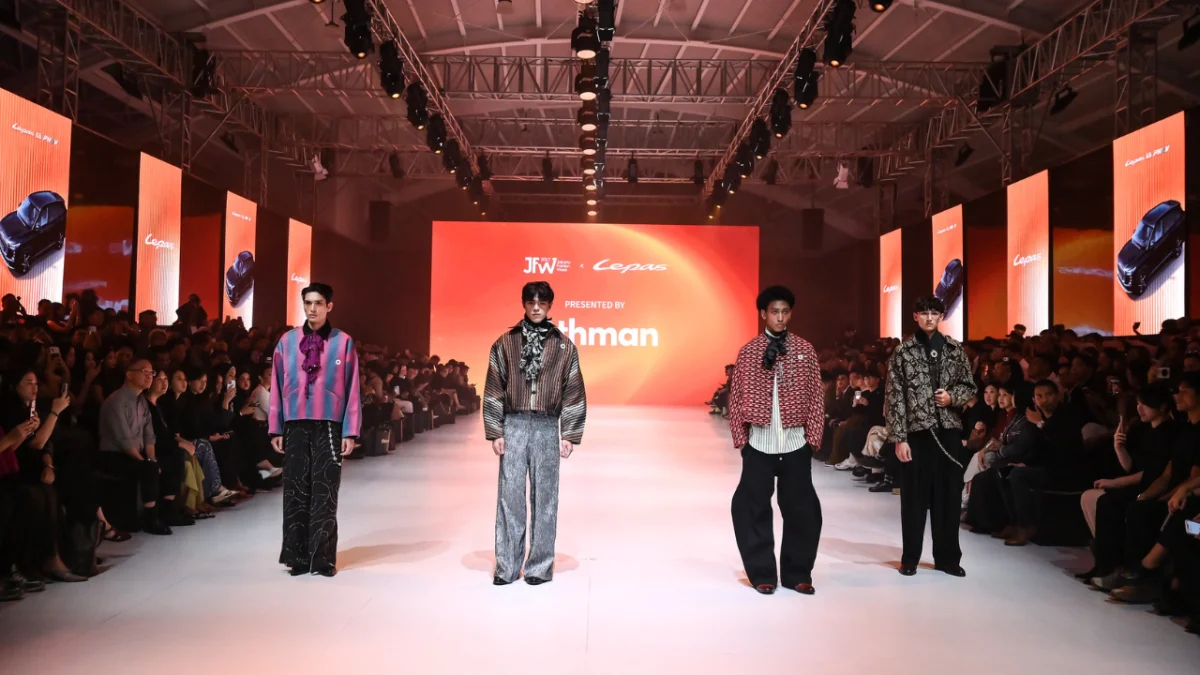
The intersection of automotive design and high fashion reached a new milestone as LEPAS, the global automotive brand under the Chery Group, entered a high-profile partnership with Jakarta Fashion Week (JFW) 2027. Held in Jakarta, this year’s fashion showcase served as a dynamic canvas where mechanical ingenuity met sartorial self-expression. By bridging the gap between vehicle manufacturing and haute couture, the collaboration underscored a unified philosophy: that design is a fundamental vehicle for personal identity.
The partnership highlighted two distinct approaches to design translation through prominent Indonesian fashion labels, Danjyo Hiyoji and Othman. While Danjyo Hiyoji injected the runway with vibrant, sporty, and playful energy, Othman offered a theatrical, romantic exploration of menswear inspired by aristocratic rebellion. Together, these collections echoed the core ethos of LEPAS—Drive Your Elegance—illustrating how modern consumers utilize both their choice of vehicle and their wardrobe to articulate individuality within the urban landscape.
The Genesis of an Unconventional Automotive Partnership
The integration of automotive brands into high-fashion platforms is a growing global phenomenon, driven by the shared values of craftsmanship, aerodynamic aesthetics, and lifestyle branding. For LEPAS, entering the Indonesian market via Jakarta Fashion Week 2027 was a calculated strategic move to resonate with trendsetters, creative professionals, and urban dwellers who view lifestyle choices as an extension of their personal brand.
As a premier annual fixture on Southeast Asia’s fashion calendar, Jakarta Fashion Week has historically attracted regional and international acclaim for incubating local talent and projecting Indonesian creativity onto the global stage. The collaboration with LEPAS reflects an evolution in how brands communicate with consumers, moving away from purely functional marketing toward experiential storytelling. By aligning its automotive philosophy with the creative risks taken by contemporary designers, LEPAS positioned its vehicles not merely as modes of transportation, but as sophisticated lifestyle accessories.
Temmy Wiradjaja, Vice Country Director of LEPAS Indonesia, emphasized the synergy between automotive styling and textile design during the event. "Design has always been an integral component of the LEPAS identity," Wiradjaja stated. "Through Jakarta Fashion Week 2027, we are granted a unique opportunity to channel our automotive perspective into a completely different creative ecosystem, observing firsthand how visual and structural design functions as a powerful medium of self-expression within the fashion industry."
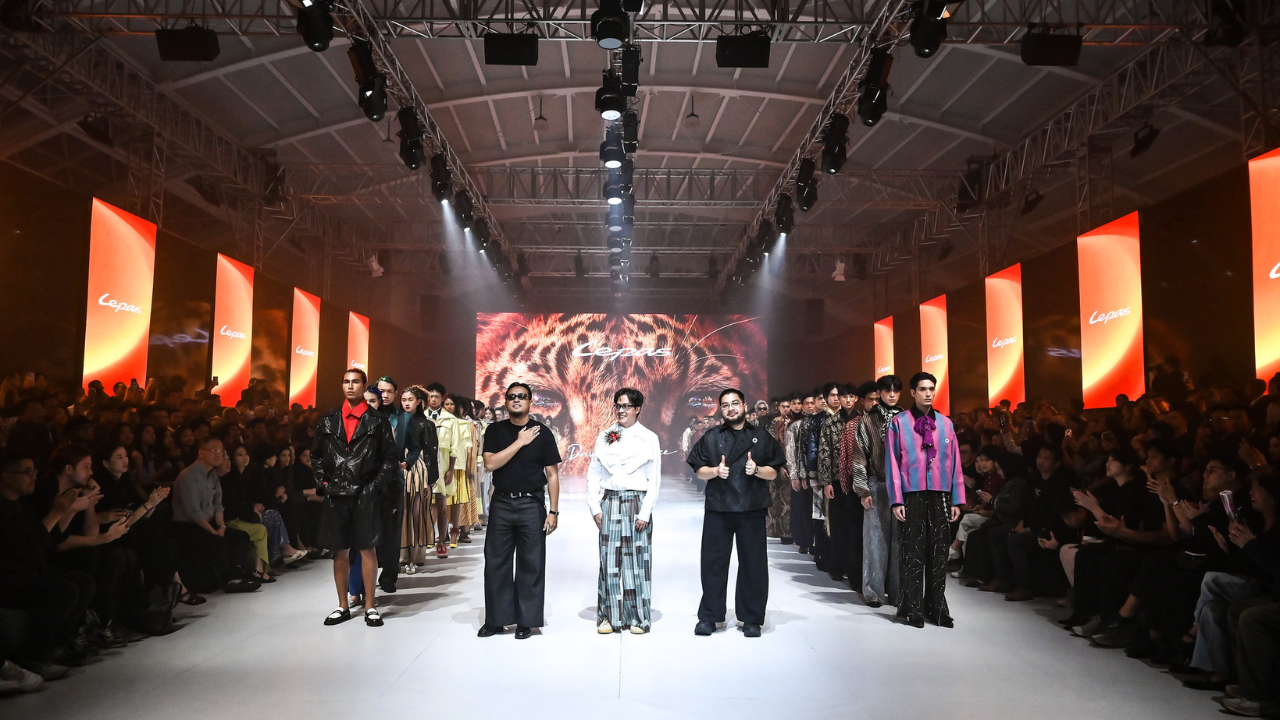
Wiradjaja further elaborated on the broader implications of the partnership for urban consumers. "We view this collaboration as a dual celebration of modern creativity and an expansion of how we engage with communities that value design. Both fashion and personal mobility are central pillars of the contemporary urban experience, reflecting the daily choices people make to project who they are to the world."
Danjyo Hiyoji and the "Sommer" Collection: A Study in Playful Dynamism
Representing the vibrant and youthful spectrum of the JFW runway, Danjyo Hiyoji delivered an energetic performance with its Spring/Summer collection titled "Sommer." Founded by visionary designer Dana Maulana—himself an alumnus of the prestigious Fashion Force JFW 2009 incubator program—the label has consistently pushed the boundaries of ready-to-wear fashion in Indonesia.
For "Sommer," Danjyo Hiyoji drew inspiration from the vivid imagery of blooming botanical gardens, translating organic vitality into complex garment construction. The color palette relied heavily on crisp botanical greens, earthy autumnal undertones, and striking neon accents that mirrored the unpredictable vibrancy of modern city life. Rather than relying on traditional tailoring, the collection embraced an experimental approach to layering, utilizing transparent materials, quilted paneling, and asymmetrical hemlines to create a sense of continuous motion.
The silhouette exploration was particularly noteworthy, successfully marrying athletic wear elements with expressive, fluid femininity. Outerwear pieces featured exaggerated volumes, while skirts incorporated contrasting textures and feathered decorative accents that added both visual depth and tactile dimension. By encouraging bold mix-and-match styling, Danjyo Hiyoji empowered wearers to curate looks that defied conventional boundaries.
Industry analysts noted that Danjyo Hiyoji’s runway presentation served as a metaphor for adaptability—a trait highly valued by contemporary consumers navigating fast-paced urban environments. The fluid transition from sporty utility to artistic expression mirrors the versatile engineering expected of modern vehicles, reinforcing the underlying thematic bridge between the fashion label and LEPAS.
Othman and "Les Héritiers Rebelles": The Theatricality of Modern Menswear

In stark contrast to the athletic vibrancy of Danjyo Hiyoji, the menswear label Othman transported the audience to an era of aristocratic grandeur infused with modern rebellion. Entitled "Les Héritiers Rebelles," the collection chronicled the narrative of royal heirs who chose to renounce rigid court rules and societal expectations in pursuit of autonomy. This thematic rebellion against conformity served as a direct nod to the core philosophy of individual agency championed by LEPAS.
Othman’s interpretation of menswear relied on heavy historical references to old European aristocracy, reinterpreted through contemporary tailoring techniques. The runway presentation featured dramatic floor-length capes, voluminous oversized coats, and exquisitely structured double-breasted jackets paired with wide-leg trousers. The material selection was sumptuous and uncompromised, incorporating rich brocades, heavy jacquards, opulent velvets, and shimmering satins juxtaposed with delicate lace and intricate crochet work.
Ornate detailing elevated the garments to wearable art. Jackets and capes were edged with meticulous gold thread embroidery, while accessories such as gemstone brooches, layered chains, lustrous pearls, and elaborate floral corsages paid homage to traditional noble regalia. Despite the historical weight of these references, the collection maintained a modern sensibility, appealing to the contemporary man who views fashion as a form of theatrical storytelling and personal liberation.
The Intersection of Consumer Lifestyle and Industrial Design
The partnership between LEPAS and Jakarta Fashion Week 2027 highlights a broader economic and cultural trend: the blurring of lines between industrial manufacturing and creative lifestyle sectors. In an era where brand loyalty is increasingly dictated by emotional resonance rather than technical specifications alone, automotive companies are investing heavily in lifestyle ecosystems.
By associating with high-end fashion platforms, automotive brands can effectively communicate intangible qualities such as elegance, sophistication, and avant-garde thinking. For LEPAS, the collaboration offered a credible platform to introduce its brand values to an affluent, style-conscious demographic that prioritizes aesthetic distinction in every facet of their lives.
Market analysts observe that urban consumers increasingly view their possessions—from the clothing they wear to the vehicles they drive—as extensions of their personal narrative. The modern consumer operates within an integrated lifestyle space where aesthetic coherence is paramount. A driver selecting a vehicle characterized by sleek lines and refined interior craftsmanship often exhibits similar preferences in their sartorial choices, favoring labels that demonstrate uncompromising attention to detail.

Implications and Future Outlook for Creative Collaborations
The success of the LEPAS and Jakarta Fashion Week 2027 collaboration sets a high benchmark for future cross-industry partnerships in Southeast Asia. By providing a platform for both established innovators like Danjyo Hiyoji and narrative-driven labels like Othman, the initiative demonstrated that diverse design languages can coexist under a singular thematic umbrella.
As the automotive sector continues to transition toward electrification and digital integration, interior and exterior design will play an even more critical role in consumer decision-making. Initiatives that position automobiles within the broader context of art, fashion, and culture will likely become standard practice for brands seeking to capture the imagination of younger, design-literate generations.
Ultimately, the alliance between LEPAS and Jakarta Fashion Week underscored a universal truth: whether manifested in the sweeping chassis of a modern vehicle or the meticulously draped fabric of a runway garment, design remains humanity’s most enduring medium for freedom of expression. As urbanites continue to navigate the demands of contemporary life, the liberty to define one’s own path—supported by creations that mirror that exact ambition—will remain the ultimate definition of modern elegance.