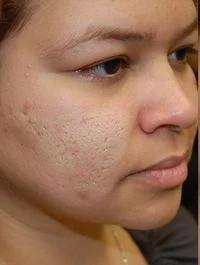
Acne scarring remains one of the most persistent dermatological concerns globally, affecting millions of individuals long after their active breakouts have subsided. While many focus on the inflammatory stage of acne, the aftermath—characterized by atrophic scars or "bopeng"—presents a significant challenge for both patients and medical professionals. These indentations occur when the inflammatory process of acne damages the dermis, the layer of skin containing collagen and elastin. When the body attempts to repair this damage, the resulting collagen production is often insufficient or disorganized, leading to the formation of permanent depressions in the skin’s surface. Understanding the specific classifications of these scars is the first step toward effective clinical intervention.
The Biological Mechanism of Acne Scarring
The formation of acne scars is primarily a function of the body’s inflammatory response to severe acne, particularly cystic and nodular forms. According to dermatological research, acne lesions can penetrate deep into the skin tissue. When the body initiates the healing process, it triggers a wound-healing response that involves the synthesis of new collagen. However, if the inflammation is severe or prolonged, the damage extends beyond the epidermis into the deeper dermal layers.
The resulting "bopeng" is essentially a tethering of the skin to the subcutaneous tissue, or a loss of tissue volume that creates a visible depression. The American Academy of Dermatology (AAD) notes that the severity of scarring is often correlated with the duration of the acne, the intensity of the inflammation, and the speed at which the patient seeks professional medical treatment. Delayed treatment of moderate to severe acne significantly increases the risk of permanent structural changes to the skin.
Boxcar Scars: Structural Depressions
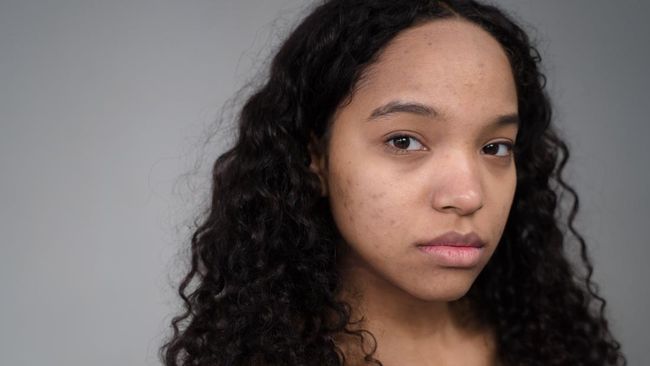
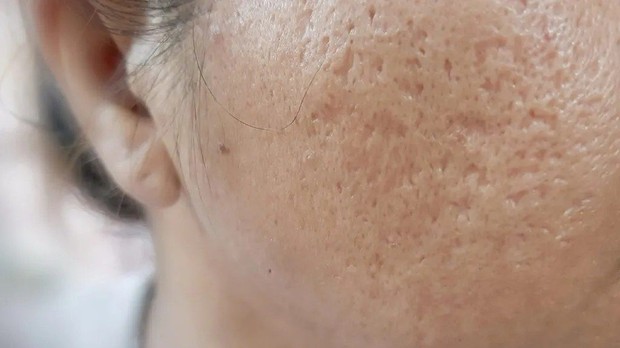
Boxcar scars are characterized by their distinct, sharp-edged depressions. Unlike milder forms of scarring, these lesions exhibit vertical walls, creating a "boxed-in" appearance that gives them their name. They are typically circular or oval in shape and range in diameter from 1.5 to 4 millimeters.
Clinically, boxcar scars are categorized by their depth. Superficial boxcar scars are easier to treat with resurfacing techniques, while deeper scars require more invasive procedures to break the fibrotic bands pulling the skin inward. These scars are most frequently found on the temples and the cheeks—areas where the skin is thicker and subject to higher levels of tension. Dermatologists often employ a multi-modal approach to treat these, ranging from fractional laser resurfacing, which stimulates collagen production, to dermal fillers that provide temporary volume restoration for deeper pits. In cases where the scar tissue is firmly tethered, a minor surgical procedure known as "punch elevation" may be performed to lift the base of the scar to the level of the surrounding skin.
Ice Pick Scars: Depth and Complexity
Perhaps the most challenging of the three primary types, ice pick scars are narrow, deep, and sharp indentations that penetrate far into the dermis. They are often described as resembling the puncture marks of an ice pick or a needle. Because of their significant depth relative to their small surface opening, they are notoriously difficult to correct through superficial treatments like chemical peels or microdermabrasion.
These scars are a frequent byproduct of severe cystic acne. The inflammation associated with cysts destroys the hair follicle and the surrounding tissue, leaving behind a narrow, deep channel. Because these scars do not have a wide base, they cannot be easily filled or resurfaced. The standard of care for ice pick scars often involves "punch excision," where the scar is surgically removed and the edges of the resulting small wound are sutured together. Alternatively, "punch grafting" may be used, where a small plug of healthy skin is transplanted into the excised site to provide a smoother, more uniform surface.
Rolling Scars: The Wave-Like Texture
Rolling scars create a distinct, undulating appearance on the skin’s surface. These are not sharp, isolated pits but rather broad, shallow depressions that make the skin look wavy or uneven. They are typically 4 to 5 millimeters or wider, and their edges are ill-defined, sloping gently into the surrounding healthy tissue.
The formation of rolling scars is tied to the development of fibrous bands of tissue between the skin and the subcutaneous layer. These bands act like anchors, pulling the surface of the skin downward. This tethering is why the skin appears to "roll" or shift when viewed under changing light conditions. Treatment for rolling scars focuses on releasing these fibrous bands. The gold-standard procedure for this condition is "subcision." During subcision, a dermatologist inserts a specialized needle beneath the surface of the scar to manually sever the fibrous tethers. Once the skin is released, it can rise back to its natural position. This is often followed by laser treatments or microneedling to further refine the texture and encourage the growth of new collagen to support the area.
Clinical Perspectives and Treatment Chronology
The medical consensus regarding acne scarring has shifted toward early intervention. In the last decade, the introduction of advanced laser technologies and minimally invasive surgical techniques has vastly improved patient outcomes. However, the timeline of treatment remains a critical factor. Experts emphasize that patients should not seek scar revision until their active acne has been fully controlled for at least six months. Attempting to treat scars while active, inflammatory acne is still present can exacerbate the situation and potentially lead to new, deeper scarring.
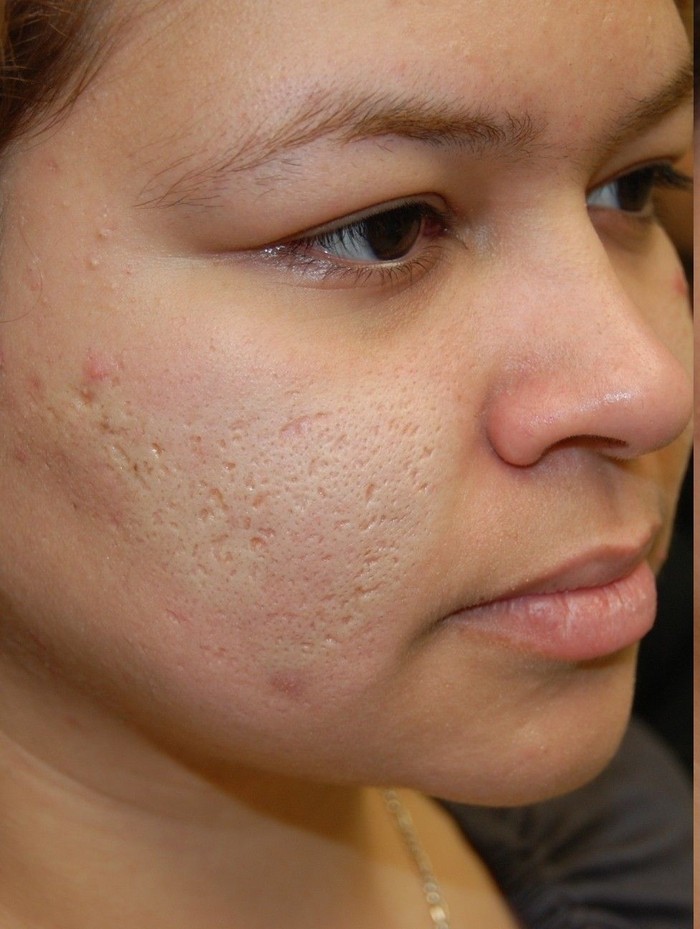
In a typical clinical sequence, a patient first consults with a dermatologist to assess the "scar profile." A patient may possess a combination of all three types of scars, requiring a customized, layered treatment plan. For instance, a patient might undergo subcision for rolling scars, followed by a series of chemical peels for superficial textural issues, and finally, laser resurfacing to blend the edges of any remaining boxcar scars.
Broader Impact and Implications
The psychological impact of acne scarring is a documented area of concern in mental health studies. Beyond the physical manifestation of "bopeng," patients often report significant distress, social anxiety, and a decrease in overall quality of life. The persistence of these scars serves as a constant reminder of the previous acne struggle, which can lead to body dysmorphia or social withdrawal.
Public health initiatives have increasingly focused on the importance of "acne management as preventive medicine." By framing the treatment of acne not merely as a cosmetic issue, but as a preventative measure against permanent structural skin damage, healthcare providers hope to reduce the long-term incidence of severe scarring.
Looking forward, the integration of regenerative medicine—such as platelet-rich plasma (PRP) therapy combined with microneedling—is showing promise in accelerating the healing process for scar revision. While no treatment can guarantee 100% eradication of all scarring, the current medical landscape offers a high degree of improvement, allowing many patients to achieve significant aesthetic and psychological relief. It is essential for individuals to seek board-certified dermatological care rather than relying on unverified over-the-counter remedies, which are generally ineffective for structural dermal scarring. By understanding the nature of these three types of scars, patients can engage in more informed discussions with their healthcare providers, ensuring the most effective and safe path to skin recovery.