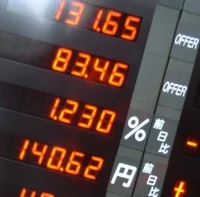
Jakarta – The direction of the Jakarta Composite Index (IHSG) on Friday, October 17, 2008, stood at a critical crossroads, heavily influenced by volatile overnight movements on Wall Street and mixed signals across Asian regional bourses. Financial analysts and securities firms closely monitored macroeconomic indicators, currency fluctuations, and commodity price corrections as investors navigated one of the most tumultuous periods in modern financial history. The global financial crisis, which had escalated dramatically in the preceding weeks following the collapse of Lehman Brothers in September 2008, continued to cast a long shadow over emerging markets, forcing regulatory bodies, institutional investors, and retail participants to reevaluate risk management strategies.
At the opening bell, market sentiment was tentatively lifted by a dramatic late-session surge on Wall Street, where the Dow Jones Industrial Average rebounded by roughly 400 points. This monumental single-session recovery offered a psychological cushion to global equities, prompting early predictions that the Indonesian bourse might experience a technical rebound. However, market experts cautioned that while a short-term upward correction was probable, systemic vulnerabilities remained acute. The interplay between sliding commodity prices, a weakening Indonesian rupiah, and persistent fears of a protracted global recession created a fragile trading environment that demanded heightened vigilance from market participants.
Main Facts and Market Forecasts
Market analysts at the time pointed to conflicting domestic and international pressures as the primary drivers of IHSG performance. According to Ikhsan Binarto, an analyst at Optima Securities, the domestic benchmark was projected to post a modest gain of approximately 16 points during the morning trading session, buoyed by the positive spillover from the United States markets and broader Asian indices. Yet, this anticipated relief rally came with strong caveats.
Binarto emphasized that investors needed to determine whether the upward momentum was sustainable or merely a transient dead-cat bounce in a persistent bear market. He noted that ongoing downward pressure on the rupiah, coupled with the lack of a clear reversal in international crude oil and commodity prices, meant that underlying risks had not dissipated. To prevent destructive panic selling and restore rational market behavior, Binarto stressed the urgent need for proactive government and central bank intervention, whether through direct market stabilization or indirect monetary policy measures.
Concurrently, research notes from Trimegah Securities highlighted how the looming threat of a global recession had severely impacted regional bourses, driving risk aversion to unprecedented heights. Despite widespread anxiety, domestic market participants demonstrated a degree of resilience by attempting to avoid indiscriminate panic selling. This defensive posture was reflected in the IHSG’s trading pattern, which managed to hold firm above crucial support levels near 1,420, accompanied by selective accumulation of blue-chip equities. Trimegah’s analysts suggested that these technical indicators created a viable pathway for the index to mount a positive recovery, potentially closing remaining price gaps up to the 1,510 threshold. Nevertheless, the prevailing consensus remained that global macroeconomic sentiment would continue to dictate the ultimate trajectory of Indonesian equities, leaving the market highly vulnerable to sudden external shocks. Trading ranges for the session were projected to hover between 1,450 and 1,530.
Chronology of the October 2008 Financial Meltdown
To fully understand the precarious state of the Indonesian stock market on October 17, 2008, it is essential to examine the rapid escalation of the global financial crisis throughout the third and fourth quarters of 2008. The crisis, rooted in the U.S. subprime mortgage market, metastasized into a full-scale global liquidity crunch, crippling interbank lending and wiping out trillions of dollars in market capitalization worldwide.

- September 15, 2008: Investment banking giant Lehman Brothers filed for Chapter 11 bankruptcy protection, triggering a catastrophic loss of confidence in the global financial system and freezing short-term credit markets.
- Late September 2008: Global stock markets experienced historic sell-offs. Major indices in the U.S., Europe, and Asia plunged by double-digit percentages within days. The Jakarta Stock Exchange was not immune; foreign capital flight accelerated dramatically as international institutional investors sought safe-haven assets like the U.S. dollar and government bonds.
- Early October 2008: Central banks around the world, led by the U.S. Federal Reserve, initiated coordinated emergency measures, including aggressive interest rate cuts and liquidity injections. Despite these interventions, market volatility reached extreme peaks, characterized by intraday swings of hundreds of points on Wall Street and sharp circuit-breaker-triggered suspensions in various emerging markets.
- Mid-October 2008 (Week of October 13–17): Global markets experienced a roller-coaster week. Following historic plunges earlier in the month, indices began displaying wild pendulum swings. The Dow Jones Industrial Average plummeted by over 700 points on October 15, only to surge by roughly 400 points on October 16, setting the stage for the cautious optimism observed in Jakarta on Friday, October 17.
- October 17, 2008: IHSG trading commenced under the heavy weight of regional contractions and falling commodity prices. Market participants closely monitored upcoming Federal Reserve policy meetings and awaited domestic monetary signals, anticipating a trading range between 1,450 and 1,530, while blue-chip stocks faced intense scrutiny.
Supporting Data and Sectoral Performance
During this period of extreme turbulence, stock selection became highly defensive and selective. Analysts from Optima Securities and Trimegah Securities identified several heavyweight counters that commanded the attention of institutional investors navigating the volatile landscape. Among the primary stock picks highlighted were major industrial, mining, and financial institutions:
- PT Timah Tbk (TINS): As a major global tin producer, Timah’s stock price was closely tied to international metal commodity cycles, which faced severe downward pressure as global manufacturing demand softened.
- PT Astra International Tbk (ASII): A bellwether for the Indonesian automotive and heavy equipment sectors, Astra represented domestic consumer demand and industrial activity, making it a key indicator of domestic economic health.
- Perusahaan Gas Negara (PGAS): As a dominant player in natural gas transportation and distribution, PGAS offered relative earnings stability derived from long-term infrastructure contracts, attracting defensive capital.
- PT Bukit Asam Tbk (PTBA): Benefiting from historical coal export demands, Bukit Asam’s valuation fluctuated alongside global energy pricing trends, serving as a primary vehicle for resource-based portfolio adjustments.
- PT Bank Rakyat Indonesia (Persero) Tbk (BBRI): As a leading state-owned lender with a strong foothold in micro, small, and medium enterprise (MSME) lending, BRI represented the domestic banking sector’s resilience against systemic liquidity pressures.
Technically, the market was navigating a delicate zone. Analysts noted that the IHSG’s ability to maintain support above the 1,420 mark prevented an immediate freefall, while resistance levels were pegged between 1,640 and 1,780 for the broader medium-term outlook, provided that international liquidity conditions stabilized.
Policy Responses and Regulatory Intervention
The severity of the October 2008 crisis prompted urgent deliberations among Indonesian financial authorities, including Bank Indonesia (BI) and the Capital Market and Financial Institution Supervisory Agency (Bapepam-LK). As foreign capital fled emerging markets in search of liquidity, the Indonesian rupiah experienced severe depreciation pressures, complicating import costs and stoking inflationary concerns.
Financial policymakers faced the dual challenge of defending the domestic currency while preventing a systemic credit freeze. Direct interventions discussed by market observers included implementing temporary trading curbs, encouraging corporate share buybacks without prior shareholder approval to support plunging valuations, and coordinating liquidity injections into the domestic banking sector. Furthermore, central bank officials maintained active communication with international counterparts, monitoring the policy outcomes of emergency meetings held by the U.S. Federal Reserve and other major central banks. The overarching regulatory objective was to instill market confidence, curb speculative short-selling, and ensure that domestic financial institutions retained sufficient capital buffers to weather the external storm.
Broader Economic Implications and Long-Term Outlook
The events of October 2008 underscored the deep interconnectedness of the global financial architecture and exposed the structural vulnerabilities of emerging market economies during systemic shocks. While Indonesia’s domestic economic fundamentals—supported by robust domestic consumption and a relatively insulated banking sector compared to Western counterparts—prevented a total economic collapse, the capital markets suffered immediate and painful collateral damage.
The heavy reliance on commodity exports proved to be a double-edged sword. As global industrial demand contracted sharply in late 2008, prices for coal, crude palm oil, rubber, and metals plummeted, directly impacting corporate earnings and trade balances. Consequently, the crisis accelerated strategic discussions among Indonesian policymakers regarding the necessity of economic diversification, infrastructure development to boost domestic connectivity, and the strengthening of foreign exchange reserves.
Ultimately, the market turbulence of October 17, 2008, served as a defining stress test for the Indonesian financial system. It demonstrated the critical importance of robust regulatory frameworks, proactive monetary management, and institutional resilience. The lessons learned during this tumultuous autumn played a foundational role in shaping Indonesia’s financial regulatory policies in the subsequent decade, enabling the domestic economy to navigate future global crises with enhanced preparedness and stability.