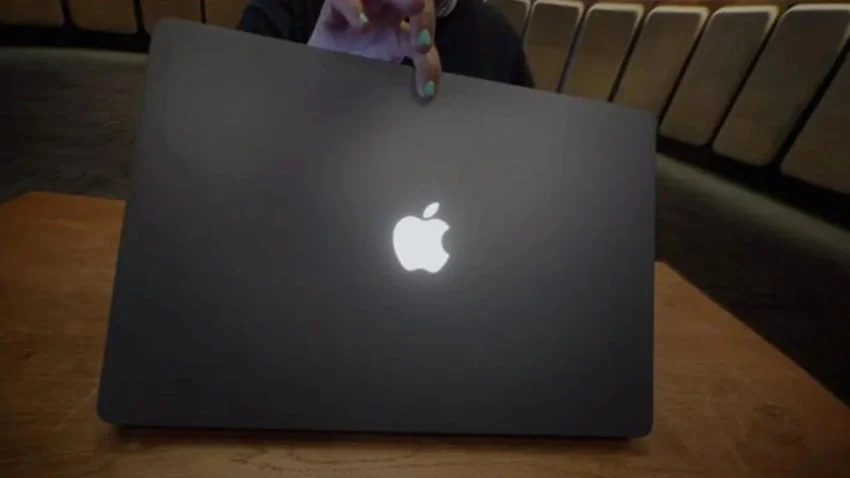
In a significant design pivot that has stirred considerable excitement within the technology community, Apple has officially reintroduced the illuminated rear logo on its latest flagship laptop lineup, the MacBook Pro PROLED XDR. Unveiled during a high-profile launch event at Apple Park in Cupertino, California, this aesthetic revival marks the return of a feature that had been conspicuously absent for nearly ten years. The new MacBook Pro models, which notably feature a notch-less display and the integration of touchscreen functionality, signal a bold shift in Apple’s hardware philosophy, balancing modern utility with the nostalgic design cues that helped define the brand’s visual identity in the early 2000s.
The Evolution of Apple’s Design Language
The illuminated Apple logo, once a ubiquitous sight in coffee shops, lecture halls, and corporate offices worldwide, was long considered a hallmark of the MacBook aesthetic. Its soft, white glow, powered by the display’s backlight, served as a beacon of the brand’s premium status. However, in 2016, Apple made a controversial decision to phase out the glowing logo in favor of a polished, reflective metal inlay.
This change coincided with the introduction of the redesigned MacBook Pro chassis, which prioritized extreme thinness and a lighter form factor. At the time, Apple engineers cited the structural integrity of the display assembly and the necessity for thinner lid components as the primary reasons for the removal. The transition to the metal logo was seen as a move toward a more industrial, minimalist aesthetic, consistent with the company’s broader design direction at the time. For a decade, the "glowing apple" became a relic of a bygone era, leaving many long-time users to mourn the loss of one of the industry’s most recognizable design flourishes.
Chronology of the Reintroduction
The road to the return of the illuminated logo was paved with speculation and subtle teases. The rumors began in earnest several months prior to the recent Cupertino event, with various supply chain reports suggesting that Apple was experimenting with new display lid materials that could accommodate an integrated lighting element without compromising structural rigidity.
The anticipation reached a fever pitch just days before the official unveiling when John Ternus, Apple’s Senior Vice President of Hardware Engineering, shared a brief, enigmatic video clip on the social media platform X (formerly Twitter). The video, which lasted only a few seconds, provided a close-up glimpse of the rear lid, featuring a softly pulsing light behind the iconic Apple logo. This move was widely interpreted by industry analysts as a calculated tease, designed to build momentum ahead of the product launch.
Following the event, early access units provided to prominent technology reviewers confirmed the feature. Unlike the legacy versions of the logo, which were essentially cutouts allowing light to bleed through from the panel, the new implementation utilizes a sophisticated, independent LED array. This allows for more precise control over the brightness and the ability to dim or deactivate the feature entirely, addressing previous concerns regarding battery consumption and light pollution in darkened environments.
Technical Specifications and Innovation
The new MacBook Pro PROLED XDR is not merely a nostalgic exercise; it represents a significant leap in display technology. The inclusion of the illuminated logo is paired with a groundbreaking screen that eliminates the camera notch, a design element that had become a point of contention among users since its introduction in 2021. By integrating the camera array into a significantly thinner bezel, Apple has achieved a seamless edge-to-edge experience.
The integration of a touchscreen interface on a MacBook Pro is perhaps the most radical technical departure in the machine’s history. For years, Apple maintained that the macOS experience was not suited for touch input, opting instead to promote the iPad as the company’s primary touch-based computing device. The implementation in the PROLED XDR series, however, suggests a hybrid approach. The screen utilizes a high-frequency polling rate, ensuring that the touch input feels tactile and responsive, effectively bridging the gap between laptop productivity and tablet-like accessibility.
Data regarding the power efficiency of the new display suggests that, despite the addition of the illuminated logo and the touch-layer, the new MacBook Pro models maintain the industry-leading battery life that the Apple Silicon transition provided. The use of a micro-LED backlight system allows for localized dimming, meaning the logo only draws power when active, and the display itself operates with significantly higher energy efficiency than the previous mini-LED iterations.
Industry and Consumer Reactions
The reaction from the technology sector has been largely positive, with many critics praising Apple for listening to its user base. While Apple rarely explicitly acknowledges "fan feedback" as the primary driver for design changes, the return of the glowing logo is widely perceived as a strategic concession to a loyal customer base that has consistently requested the feature on various forums and social media channels.
"The return of the glowing logo is a masterclass in brand heritage," noted an analyst at a leading tech research firm. "It acknowledges the emotional connection users have with the brand. It isn’t just about the hardware; it’s about the identity associated with the machine."
However, not all feedback has been purely enthusiastic. Some tech purists have raised questions about whether the reintroduction of the illuminated logo signals a shift toward "gimmicky" design, potentially moving away from the purely utilitarian focus that Apple has championed since the departure of former design chief Jony Ive. Concerns regarding the long-term durability of the illuminated lid, particularly in high-impact environments, have also been voiced, though initial stress tests from independent labs indicate that the new assembly is as robust as its predecessors.
Broader Implications for Apple’s Product Strategy
The reintroduction of the glowing logo carries broader implications for Apple’s product strategy. It suggests that the company is willing to iterate on its past designs if those designs hold significant cultural or brand value. This "nostalgia-informed innovation" could be a recurring theme in future product cycles, particularly as the company navigates the maturity of its core product lines.
Furthermore, the integration of touchscreens into the MacBook Pro lineup suggests that Apple is finally prepared to merge the software ecosystems of iOS and macOS more fluidly. This shift could have long-term consequences for the developer community, who will now need to optimize their applications for both mouse-and-keyboard input and direct touch interaction on a high-resolution laptop screen.
From a market perspective, the move is likely to bolster sales in the premium laptop segment. By differentiating the PROLED XDR series with both the return of an iconic feature and the addition of modern advancements like touch capability, Apple has successfully created a compelling narrative for both existing users looking to upgrade and new customers entering the ecosystem.
Future Outlook
As the MacBook Pro PROLED XDR begins its rollout across global markets, the industry will be watching closely to see how the illuminated logo holds up under real-world usage. For many, the glowing white light on the back of the lid will serve as a symbol of a company that, while perpetually focused on the future, is not afraid to look back at the elements that made its past so influential.
The official launch in Cupertino was not just a product demonstration; it was a statement of intent. By refining the hardware, addressing long-standing design critiques, and embracing a more versatile user interface, Apple is positioning itself to maintain its dominance in the professional computing space for the next decade. Whether this return to form is a one-time homage or the beginning of a broader trend of "classic" feature integration, the impact of the glowing logo on the MacBook Pro’s identity cannot be understated. It remains a testament to the enduring power of iconic design in an industry that is often too quick to discard its history in the pursuit of the next, thinner, faster iteration.