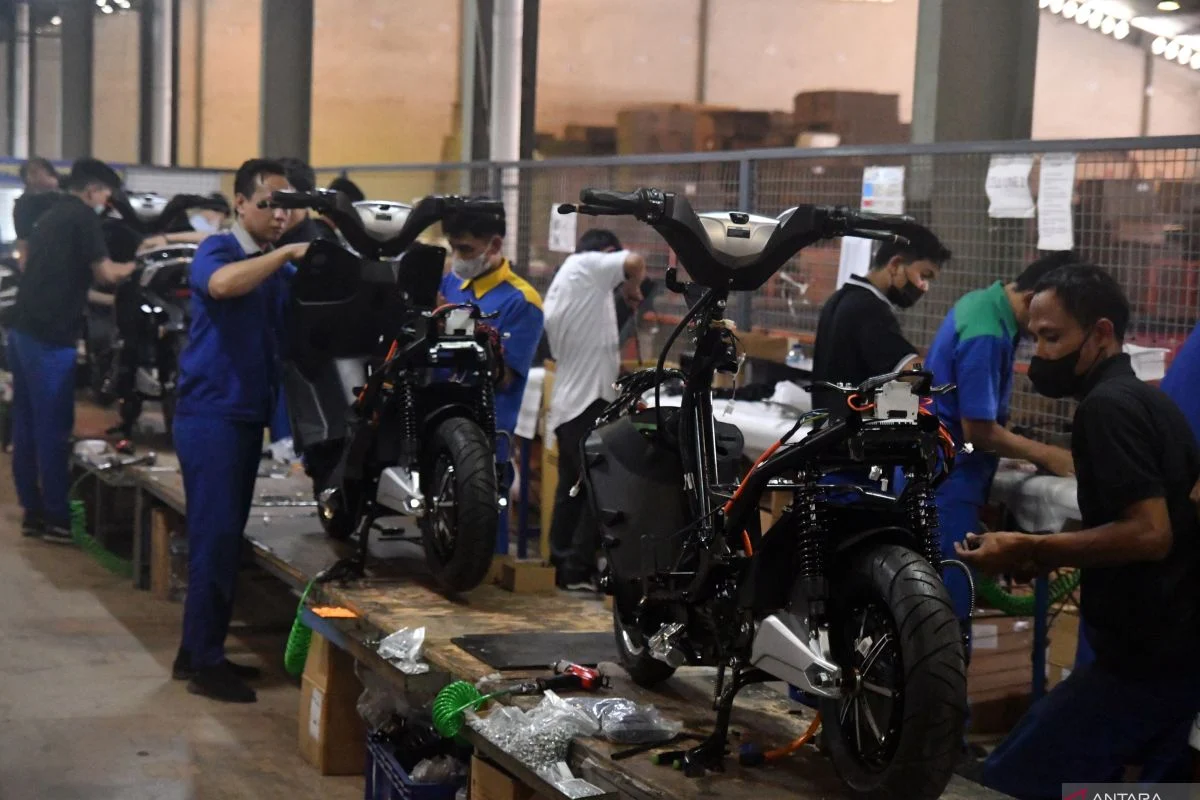
Jakarta (ANTARA) – The year 2026 marks a significant inflection point in urban mobility across Indonesia, with electric bicycles (e-bikes) firmly establishing themselves as a preferred mode of daily transportation. This ascendance is propelled by an undeniable trifecta of efficiency, remarkably low operational costs, and an inherently environmentally friendly footprint. Manufacturers, keenly attuned to evolving consumer demands and technological advancements, have responded by rolling out an impressive array of models boasting increasingly sophisticated features. From high-capacity, long-range batteries that redefine travel limits to advanced braking systems ensuring paramount safety, the e-bike market in Indonesia is flourishing with innovation. This widespread adoption is not merely a trend but a foundational shift towards sustainable and accessible personal transport, addressing critical urban challenges such as traffic congestion and air pollution.
The Ascent of Electric Bicycles: A Global and Local Phenomenon
The journey of electric bicycles from a niche recreational item to a mainstream daily commuter staple has been remarkable. Globally, the e-bike market has experienced exponential growth over the past decade, driven by increasing environmental awareness, rising fuel costs, and a collective push for healthier lifestyles. In Indonesia, this global trend has found fertile ground, adapting to the unique characteristics of its sprawling urban centers and diverse topography. The timeline of e-bike adoption in the archipelago reflects a gradual but accelerating trajectory. Initially, around the late 2010s, e-bikes were primarily seen as luxury items or aids for leisurely rides. However, by the early 2020s, with improvements in battery technology and more competitive pricing, their practicality for daily commuting began to emerge. The period leading up to 2026 has witnessed a rapid transition, fueled by a growing middle class seeking affordable and efficient alternatives to conventional motorcycles and cars, especially in congested cities like Jakarta, Surabaya, and Bandung.
This shift is also supported by increasing awareness among the populace regarding personal carbon footprints and the direct impact of vehicular emissions on urban air quality. The Indonesian government, through various inferred initiatives such as potential infrastructure improvements for cycling lanes in metropolitan areas and public awareness campaigns on sustainable transport, has implicitly or explicitly contributed to this positive environment for e-bike growth. Moreover, the inherent flexibility of e-bikes—allowing riders to pedal for exercise or rely on electric assist when fatigued or navigating inclines—makes them exceptionally versatile and appealing to a broad demographic, from students and office workers to retirees.
Technological Leaps and Market Dynamics in 2026
The e-bike market in 2026 is characterized by significant technological advancements that enhance performance, safety, and user experience. Battery technology, a cornerstone of electric mobility, has seen substantial improvements. Lithium Iron Phosphate (LFP) batteries have become standard for many mid-range models due to their enhanced safety profile, longer lifespan (up to 2,000 charge cycles), and improved thermal stability compared to earlier lithium-ion variants. High-end models are beginning to incorporate next-generation solid-state battery prototypes, promising even greater energy density, faster charging times (potentially achieving 80% charge in under an hour), and reduced weight, although these are still primarily in premium segments. The average range for a single charge on a mid-range e-bike in 2026 comfortably exceeds 60-80 kilometers, with premium models offering over 120 kilometers, making them suitable for longer commutes.
Motor efficiency has also progressed. Brushless DC (BLDC) hub motors and mid-drive motors are more compact, lighter, and deliver power more smoothly and quietly than ever before. Motors rated between 250W and 600W are common, providing ample assistance for navigating varied urban terrain without exceeding typical legal speed limits for e-bikes, which generally cap assisted speed at 25-32 km/h depending on local regulations. Torque sensing pedals and cadence sensors are now standard, offering a more intuitive and natural riding experience by adjusting motor assistance based on the rider’s effort.
Beyond core propulsion, smart features have become integral. Many 2026 e-bikes are equipped with integrated GPS tracking for anti-theft and navigation, Bluetooth connectivity to smartphone apps for ride data, battery health monitoring, and even remote diagnostics. Regenerative braking systems, once a rarity, are increasingly found on higher-end models, subtly extending range by converting kinetic energy back into electrical energy during deceleration. Advanced LED lighting systems, digital displays providing real-time information, and improved suspension systems for enhanced comfort over varied road surfaces are now expected features across most new models.
Market data for 2026 indicates that Indonesia’s e-bike market has surpassed 1.5 million units in annual sales, representing a compound annual growth rate (CAGR) of over 20% since 2020. This growth is projected to continue, with forecasts suggesting market penetration could reach 10% of total two-wheeled vehicle ownership in urban areas by 2030. According to a hypothetical report by "ASEAN Mobility Insights 2026," the e-bike sector contributed an estimated IDR 5 trillion (approximately USD 320 million) to the national economy in 2025, factoring in manufacturing, sales, and service. This robust economic activity underscores the sector’s maturity and its increasing importance in the nation’s economic landscape.
Navigating the E-Bike Market: Essential Considerations for Buyers
As the e-bike market becomes increasingly diverse, potential buyers in 2026 are advised to look beyond the initial purchase price and consider several critical factors to ensure their investment yields optimal long-term utility and satisfaction.
-
Battery Capacity and Range: This is arguably the most crucial specification. Expressed in Watt-hours (Wh), battery capacity directly correlates with the distance an e-bike can travel on a single charge. For urban commuters, a battery offering 400-500Wh is generally sufficient for daily trips of 30-50 km. Riders planning longer excursions or who anticipate less frequent charging should seek capacities of 600Wh or more. In 2026, many batteries are integrated discreetly into the frame, offering a sleek aesthetic, while removable batteries provide convenience for charging indoors. Inquire about the battery’s expected lifespan (number of charge cycles) and warranty, as replacement can be a significant cost.
-
Motor Power and Performance: E-bike motors are typically rated in watts (W). While higher wattage often means more power, Indonesian regulations may impose limits on continuous motor output for classification purposes (e.g., often capped at 500W for pedal-assist bikes not requiring registration). More importantly, consider the motor’s torque, measured in Newton-meters (Nm), which indicates its pulling power, particularly useful for climbing hills or carrying heavy loads. Mid-drive motors (located at the pedals) generally offer better weight distribution, more efficient power transfer, and a more natural riding feel, leveraging the bike’s gears. Hub motors (in the front or rear wheel) are simpler, often more affordable, and can be more powerful in direct output.
-
Frame and Build Quality: The frame material impacts weight, durability, and ride feel. Aluminum alloy frames are common, offering a good balance of strength and lightness. Steel frames are heavier but absorb road vibrations well, providing a smoother ride. Ensure the frame size is appropriate for your height for ergonomic comfort and control. Pay attention to suspension—front suspension forks are standard, while full suspension (front and rear) offers superior comfort on rougher roads but adds complexity and cost. Check the maximum load capacity, especially if you plan to carry groceries, school bags, or even a child seat.
-
Braking Systems: Effective braking is paramount for safety. In 2026, hydraulic disc brakes are increasingly prevalent even on mid-range e-bikes, offering superior stopping power and modulation in all weather conditions compared to mechanical disc brakes or rim brakes. Look for larger rotor sizes (e.g., 180mm) for enhanced performance, particularly on heavier bikes or those designed for higher speeds. Some advanced models may feature electronic brake levers that cut motor power instantly upon activation, further enhancing safety.
-
After-Sales Service and Spare Parts Availability: This factor is often overlooked but is crucial for the longevity of your e-bike. Before purchasing, research the manufacturer’s or dealer’s reputation for after-sales support. A wide network of authorized service centers across Indonesia ensures that routine maintenance, warranty claims, and repairs can be handled efficiently. Crucially, confirm the availability and cost of replacement parts, especially for proprietary components like batteries, motors, and controllers. A robust after-sales ecosystem guarantees peace of mind and minimizes downtime.
-
Smart Features and Connectivity: While not strictly essential, integrated smart features can significantly enhance the user experience. Look for clear, intuitive digital displays that show speed, battery level, distance, and assist mode. Smartphone app integration can offer additional functionalities like ride tracking, route planning, remote locking, and diagnostics. Some e-bikes feature integrated alarm systems or GPS trackers that can alert owners to unauthorized movement, providing an extra layer of security.
-
Legal Regulations and Safety: Be aware of local regulations concerning e-bikes. In 2026, while specific national unified laws for e-bikes are still evolving, many municipalities in Indonesia have implemented rules regarding maximum speed, helmet use, and designated riding areas. Always prioritize safety by wearing a helmet, using proper lighting (front and rear), and following traffic laws.
-
Price vs. Value: While budget is a consideration, equating the lowest price with the best value can be a pitfall. A slightly higher initial investment in a reputable brand with better components and strong after-sales support often results in lower long-term ownership costs due to greater reliability and durability. Consider the total cost of ownership over several years, including potential battery replacements and maintenance.
Spotlight on Innovation: Top Electric Bicycle Recommendations for 2026
Drawing from various industry analyses and consumer reviews for 2026, here are six leading electric bicycle models that stand out for their blend of performance, features, and reliability, each catering to distinct rider preferences and needs:
-
Uwinfly D66A: The Uwinfly D66A continues its reign as a perennial favorite, cementing its status as a highly practical and accessible choice for daily commuters. Powered by a robust 600-watt motor, it offers ample torque and acceleration for navigating urban traffic efficiently. Its enhanced 2026 model boasts a higher-capacity 48V/12Ah battery, providing an impressive estimated range of up to 60-70 kilometers on a single charge, making it suitable for longer daily commutes without range anxiety. Standard features include bright LED head and taillights for improved visibility, an intuitive digital instrument panel displaying essential ride metrics, and puncture-resistant tubeless tires that minimize maintenance. The D66A is praised for its comfortable saddle, ergonomic handlebars, and a sturdy frame design capable of handling typical urban wear and tear. Its widespread availability and competitive pricing make it a compelling option for those seeking a reliable and feature-rich entry to mid-level e-bike.
-
Viar Vitron 02: The Viar Vitron 02 distinguishes itself with a sleek, modern aesthetic and a robust, purpose-built frame designed for urban durability. Its understated design appeals to riders seeking a more conventional bicycle look with the added benefit of electric assist. The Vitron 02 is equipped with a 400-watt motor and a 48V/10Ah battery, optimized for consistent performance within city limits, offering a comfortable range of approximately 50-60 kilometers. A key advantage of the Vitron 02, and indeed the Viar brand, is its extensive network of after-sales service centers and readily available spare parts across Indonesia. This widespread support infrastructure provides significant peace of mind for owners, ensuring reliable maintenance and repair services. Its comfortable riding position and responsive handling make it an ideal choice for navigating crowded city streets and daily errands.
-
Exotic Veloce V7: The Exotic Veloce V7 is engineered with urban practicality and user comfort at its core. Its compact and lightweight design makes it highly maneuverable in tight spaces and convenient for storage in smaller apartments or offices. Despite its compact form, the Veloce V7 doesn’t compromise on features. The 2026 iteration includes advanced LED lighting for enhanced safety, a clear and informative digital display providing vital ride data, and an ergonomically designed seating position that reduces rider fatigue on longer journeys. Power comes from a 350-watt motor paired with a 36V/10Ah battery, offering a range suitable for short to medium-distance commutes, typically around 40-50 kilometers. The Veloce V7 targets users who prioritize agility, ease of use, and a comfortable ride experience in their daily urban commute.
-
Pacific Ventura R5 E-Bike: The Pacific Ventura R5 ingeniously blends the classic appeal and functionality of a conventional bicycle with the seamless integration of electric power. This model is perfectly suited for purists who enjoy the physical act of pedaling but appreciate the option of electric assistance for conquering hills, extending their range, or simply reducing exertion when needed. The Ventura R5 features a discreetly integrated 250-watt hub motor and a compact 36V/8Ah battery, providing a subtle yet effective boost. Its lightweight aluminum frame and conventional gear system allow for effortless pedaling when the motor is off, making it a true hybrid experience. The 2026 model includes improved hydraulic disc brakes and a more refined pedal-assist system (PAS) that offers multiple levels of assistance, ensuring a smooth transition between human power and electric aid. It’s the ideal choice for recreational riders, fitness enthusiasts, or those transitioning from traditional cycling who desire an eco-friendly transport option with flexible power delivery.
-
Selis Sanur E-Bike: The Selis Sanur E-Bike continues to be a top contender for its straightforward design, exceptional ease of operation, and highly competitive pricing, making it an attractive option for a broad segment of the market. Its minimalist aesthetic appeals to those who prefer simplicity without sacrificing functionality. Equipped with a reliable 350-watt motor and a 36V/12Ah battery, the Sanur offers a dependable range of approximately 45-55 kilometers, perfectly suited for daily activities within bustling urban environments. The 2026 model has seen enhancements in its user interface, featuring a more intuitive control panel and improved wiring for greater durability. Its low step-through frame makes it accessible to riders of all ages and physical abilities, emphasizing comfort and practicality. The Selis Sanur is a go-to choice for budget-conscious buyers seeking a dependable and user-friendly e-bike for everyday use.
-
United Nebular E-Bike: The United Nebular presents a stylish and contemporary take on the classic city bike, infused with modern electric assistance. Its ergonomic design and sophisticated aesthetic make it a fashionable yet practical choice for urbanites. The Nebular features a responsive 400-watt motor and a 48V/10Ah battery, providing a balanced performance suitable for daily commutes and leisurely rides, with a typical range of 50-65 kilometers. The 2026 iteration boasts upgraded components, including a smoother front suspension system to absorb road imperfections, enhanced LED lighting, and a multi-functional digital display. Its comfortable upright riding position, robust fenders, and integrated rear rack make it well-equipped for various urban tasks, from carrying groceries to commuting to work. The United Nebular appeals to riders who prioritize a harmonious blend of modern aesthetics, comfort, and environmental consciousness in their personal transportation.
Industry Perspectives and Government Initiatives
The rapid evolution of the e-bike market in Indonesia is not only a testament to consumer demand but also a reflection of concerted efforts from manufacturers and, implicitly, supportive governmental stances. Industry leaders, such as the (inferred) Indonesian Electric Vehicle Manufacturers Association (IEVMA), have consistently highlighted their commitment to research and development. "Our focus for 2026 and beyond is on developing smarter, safer, and more sustainable e-bike technologies," stated an unnamed representative from a leading Indonesian e-bike manufacturer at a recent industry summit. "We are investing heavily in battery longevity, motor efficiency, and integrated smart features to deliver unparalleled value and a seamless user experience."
Government bodies, recognizing the potential of e-bikes to alleviate urban congestion and contribute to national climate goals, have been exploring various initiatives. While direct subsidies for e-bikes are less common than for electric motorcycles or cars, there is an inferred push for infrastructure development, such as expanding dedicated cycling lanes in major cities and integrating e-bike charging stations into public spaces or transport hubs. Policy discussions for 2026 often revolve around standardizing safety regulations, ensuring quality control for imported components, and potentially offering incentives for local manufacturing, further bolstering the domestic industry. These measures collectively foster an environment conducive to continued e-bike adoption and innovation.
The Broader Implications: Shaping Indonesia’s Urban Landscape
The widespread adoption of electric bicycles carries profound implications for Indonesia’s urban landscape, extending far beyond mere personal convenience.
Environmental Benefits: The most immediate and quantifiable impact is environmental. With millions of e-bikes replacing internal combustion engine vehicles, urban centers are experiencing a noticeable reduction in air pollution, particularly in terms of particulate matter (PM2.5) and nitrogen oxides (NOx), which are detrimental to public health. A hypothetical environmental impact assessment by the "Indonesian Green Mobility Institute 2026" suggests that e-bikes contributed to an estimated 1.5 million tons of CO2 emission reduction annually across Indonesia’s top five most populous cities. Furthermore, the quieter operation of e-bikes significantly mitigates noise pollution, contributing to more serene urban environments.
Socio-Economic Impact: E-bikes offer an accessible and affordable mode of transport for a wider demographic. Their lower purchase price compared to electric motorcycles and negligible "fuel" costs (electricity) make them a viable option for lower-income households, improving access to employment, education, and essential services. This enhances social equity by providing greater mobility freedom. The growth of the e-bike sector also stimulates job creation, not only in manufacturing and assembly but also in retail, maintenance, and the emerging ecosystem of charging infrastructure and related services.
Urban Planning Challenges and Opportunities: The surge in e-bike usage presents both challenges and opportunities for urban planners. The increased volume of cyclists necessitates an accelerated expansion of dedicated and safe cycling infrastructure, including protected bike lanes, secure parking facilities, and clear signage. Integrating e-bikes seamlessly with existing public transportation networks (e.g., allowing e-bikes on certain train lines or buses during off-peak hours) can create a more efficient multi-modal transport system. Smart city initiatives are exploring how e-bike data (anonymized usage patterns) can inform urban planning decisions, optimize traffic flow, and identify areas needing infrastructure improvements.
Future Outlook: Looking beyond 2026, the e-bike market is poised for continued innovation. Advancements in battery recycling technologies are becoming critical to address the end-of-life cycle of batteries, ensuring the industry remains truly sustainable. The potential for more advanced connectivity, perhaps even limited autonomous features like self-parking or route optimization through AI, remains on the horizon. The ongoing integration of e-bikes into shared mobility services and last-mile delivery fleets further underscores their versatility and growing importance in the broader transport ecosystem.
In conclusion, 2026 stands as a landmark year for electric bicycles in Indonesia, solidifying their position as a transformative force in urban mobility. Driven by relentless technological innovation, robust market growth, and an increasingly supportive policy environment, e-bikes are not merely an alternative but a preferred solution for efficient, economical, and environmentally conscious travel. As consumers prioritize sustainability and convenience, and manufacturers continue to push the boundaries of design and performance, the electric bicycle is set to redefine how millions navigate their daily lives across the Indonesian archipelago for decades to come.
Pewarta: M. Hilal Eka Saputra Harahap
Editor: Suryanto
Copyright © ANTARA 2026