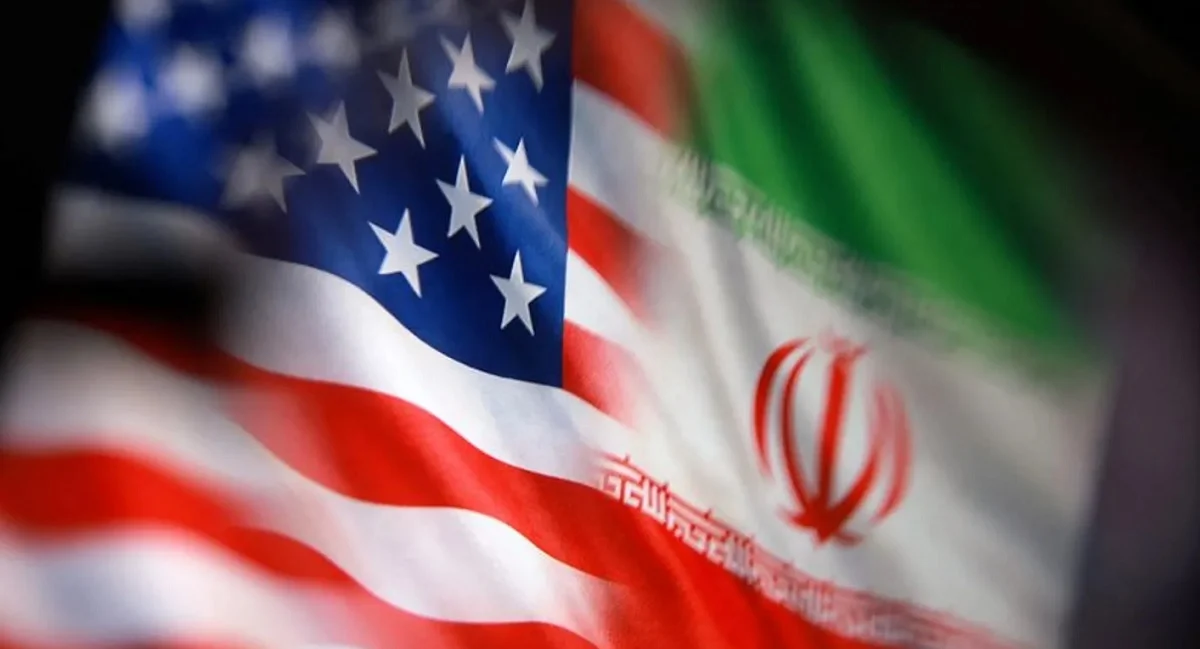
NEW YORK – Iran has formally rejected a ceasefire proposal from the United States, delivered through the mediation efforts of Iraqi Prime Minister Ali al-Zaidi. The rejection, reported by The New York Times, comes amidst nearly two weeks of sustained and escalating conflict between Tehran and Washington, casting a shadow over immediate prospects for de-escalation in the volatile Persian Gulf region. The core issue cited by Iranian officials for the rejection revolves around the proposal’s perceived failure to adequately address the long-standing dispute over the control and security of the strategically vital Strait of Hormuz.
The report, citing high-ranking Iranian and Iraqi officials with direct knowledge of the diplomatic overtures, detailed that Prime Minister al-Zaidi brought the American proposal to Tehran following a high-stakes meeting with US President Donald Trump at the White House. This shuttle diplomacy underscored Iraq’s precarious but crucial role as a regional interlocutor, situated geographically and politically between two major powers often at loggerheads. While the specific details of the American proposal remain largely undisclosed, Iranian officials described it as the singular substantive offer currently on the table to halt the ongoing hostilities. Tehran’s swift dismissal, however, signals a significant diplomatic setback and suggests deep-seated disagreements persist beyond immediate military clashes.
The Strait of Hormuz: A Contested Lifeline
At the heart of Iran’s rejection lies the intractable issue of the Strait of Hormuz, a narrow waterway crucial for global energy markets. Approximately one-fifth of the world’s total petroleum consumption, and a significant portion of liquefied natural gas (LNG), passes through this chokepoint, connecting the Persian Gulf with the Arabian Sea and beyond. For decades, Iran has asserted its sovereign rights over parts of the strait, periodically threatening to disrupt or even close it in response to perceived threats or economic pressures, particularly US sanctions. International maritime law, however, mandates free passage, a principle fiercely upheld by the United States and its allies who regularly conduct naval operations in the area to ensure unimpeded shipping.
Iran’s insistence that any ceasefire agreement must address the "dispute over the control" of the Strait of Hormuz suggests a demand for either explicit recognition of its greater authority, guarantees against foreign naval presence, or a fundamental shift in the international legal framework governing transit. From Tehran’s perspective, merely halting current hostilities without resolving this underlying sovereignty and security concern would leave its strategic vulnerabilities unaddressed and provide no lasting solution to regional tensions. This stance highlights Iran’s broader ambition to reshape the security architecture of the Persian Gulf, a vision often at odds with the US and its regional partners who advocate for freedom of navigation and a collective security approach.
Escalating Tensions: A Two-Week Saga
The diplomatic efforts by Prime Minister al-Zaidi unfolded against a backdrop of intensified military and cyber skirmishes that have gripped the region for nearly two weeks. While the precise trigger for this latest surge in conflict remains a subject of international debate, analysts point to a series of escalating incidents that pushed an already fragile situation to the brink. This recent period of heightened confrontation is understood to have begun with a series of alleged drone incursions over Iranian airspace, followed by retaliatory actions targeting international shipping in the Gulf of Oman, which Iran denied involvement in.
Subsequent developments included a significant cyberattack against critical infrastructure in a Gulf nation allied with the US, widely attributed by intelligence agencies to Iran-backed actors. This was met with a US-led multinational naval exercise, perceived by Tehran as a provocative show of force. The conflict further intensified with reported exchanges of fire between naval vessels in contested waters near the Strait of Hormuz, although neither side has confirmed significant casualties or damage. Furthermore, proxy groups in Iraq and Syria, often linked to Iran, have reportedly increased their activities against US interests and personnel, prompting concerns of a wider regional conflagration. This intricate web of kinetic and non-kinetic engagements underscores the perilous nature of the current standoff, making any path to de-escalation fraught with challenges.
Iraq’s Delicate Diplomatic Dance
Prime Minister Ali al-Zaidi’s decision to undertake this high-stakes diplomatic mission marks his first official visit to Iran since assuming office in May. His journey to Tehran, accompanied by a high-level delegation of Iraqi ministers, served a dual purpose: to mediate the burgeoning US-Iran crisis and to strengthen bilateral ties between Iraq and its powerful eastern neighbor. Upon arrival, al-Zaidi met with Iranian President Masoud Pezeshkian, engaging in comprehensive discussions that covered bilateral relations, regional developments, and collaborative efforts to bolster regional security and stability.
Iraq, still recovering from decades of conflict and grappling with its own internal political complexities, finds itself in an unenviable position. It shares deep cultural, economic, and religious ties with Iran, while simultaneously hosting a significant US military presence and relying on Washington for security cooperation and economic support. This unique geopolitical reality positions Baghdad as a potential, albeit often reluctant, bridge between the two adversaries. Al-Zaidi’s administration, striving to maintain a delicate balance, views regional stability as paramount for its own reconstruction and development efforts. The Iraqi delegation also stressed the importance of implementing previously signed agreements, signaling Baghdad’s commitment to expanding cooperation in critical sectors such as trade, energy, and transportation, alongside broader regional affairs. Beyond his meeting with President Pezeshkian, local Iranian media reported that al-Zaidi also held separate talks with Mohammad Bagher Ghalibaf, Iran’s chief nuclear negotiator and Speaker of Parliament, and Foreign Minister Abbas Araghchi, indicating the breadth and seriousness of his diplomatic engagement.
Details of the Undisclosed Proposal and Iran’s Rationale
While the precise contours of the American ceasefire proposal remain officially guarded, informed speculation suggests it likely included provisions for an immediate cessation of all hostilities, a commitment to de-escalation of military activities in the Persian Gulf, and possibly an agreement to resume indirect or direct talks on broader regional security issues. It might have also contained implicit or explicit assurances regarding freedom of navigation, a key US demand. However, it appears to have fallen short of addressing Iran’s fundamental grievances regarding its sovereign claims and security concerns within the Strait of Hormuz.
Tehran’s rejection underscores a deeply entrenched conviction that the current conflict is not merely a series of isolated incidents but a symptom of a larger geopolitical struggle over regional hegemony and maritime control. For Iran, any ceasefire that does not offer concrete guarantees or a pathway to a more equitable arrangement in the Strait of Hormuz is essentially an agreement to maintain the status quo—a status quo that it views as inherently unjust and threatening to its national security and economic interests. This perspective suggests that Iran is unwilling to trade a temporary cessation of hostilities for a permanent deferral of its core demands. Furthermore, it highlights Iran’s broader strategy of using periods of heightened tension to leverage its position for long-term concessions, rather than merely seeking a return to a prior, unsatisfactory equilibrium.
Official Reactions and International Response
The rejection of the ceasefire proposal is likely to elicit strong reactions from all parties involved. From Washington, officials are expected to express disappointment, reiterating calls for de-escalation while simultaneously blaming Iran for prolonging regional instability. A White House statement might emphasize the US commitment to freedom of navigation and the protection of international shipping, potentially hinting at further measures if the conflict persists. For Iran, the rejection will likely be framed domestically as a principled stand against foreign interference and a defense of national sovereignty. Official statements from Tehran are anticipated to underscore its determination to protect its interests and security, especially concerning the Strait of Hormuz, while maintaining its readiness for dialogue on its own terms.
Internationally, the news will be met with renewed concern. The United Nations Secretary-General is expected to issue a statement urging both sides to exercise maximum restraint and return to the negotiating table. European powers, who have consistently advocated for de-escalation and a diplomatic solution, will likely express regret over the stalled mediation, emphasizing the urgent need for direct communication channels. Global energy markets, already jittery from the ongoing conflict, are expected to react with increased volatility, reflecting fears of prolonged disruptions to oil and gas supplies. Regional powers, particularly those in the Gulf Cooperation Council (GCC), will watch developments closely, with some likely reinforcing their alliances with the US while others might call for greater regional dialogue to prevent further escalation.
Broader Regional and Global Implications
The failure of al-Zaidi’s mediation efforts carries significant implications for regional stability and global security. Primarily, it raises the specter of continued or even intensified conflict in the Persian Gulf. With the ceasefire proposal off the table, the immediate path forward appears to be one of sustained confrontation, with the risk of miscalculation or accidental escalation growing with each passing day. This prolonged instability could further destabilize already fragile states in the Levant and Yemen, where proxy conflicts continue to rage, potentially drawing in more regional and international actors.
Economically, the impact will be felt globally. Continued threats to shipping in the Strait of Hormuz will maintain upward pressure on oil prices, affecting consumer economies worldwide. Insurance premiums for vessels transiting the region will remain high, increasing costs for international trade. For the countries directly involved, the economic strain of military readiness and potential damage will be substantial, hindering development and diverting resources from civilian needs. Diplomatically, the rejection highlights the profound chasm between US and Iranian positions, making future mediation efforts exceedingly difficult. It signals that both sides are dug in on their core demands, and a simple cessation of hostilities is insufficient to bridge their differences. The international community will be challenged to find new frameworks or incentives to bring these two adversaries to a meaningful dialogue that addresses the root causes of their conflict, rather than just its symptoms.
Looking Ahead
With the Iraqi Prime Minister’s initiative having failed to yield a breakthrough, the immediate future of US-Iran relations appears bleak. The region remains on high alert, and the international community braces for further developments. While the door to diplomacy is rarely closed permanently, Iran’s rejection of the US ceasefire proposal, particularly on the grounds of the Strait of Hormuz dispute, underscores the deep-seated nature of the conflict. Any future diplomatic efforts will need to contend with this fundamental disagreement, requiring creative and potentially unconventional approaches to bridge the seemingly insurmountable divide between Tehran and Washington. Without a fundamental shift in either side’s position or the emergence of a more comprehensive and mutually acceptable framework for regional security, the Persian Gulf faces a prolonged period of uncertainty and heightened risk.