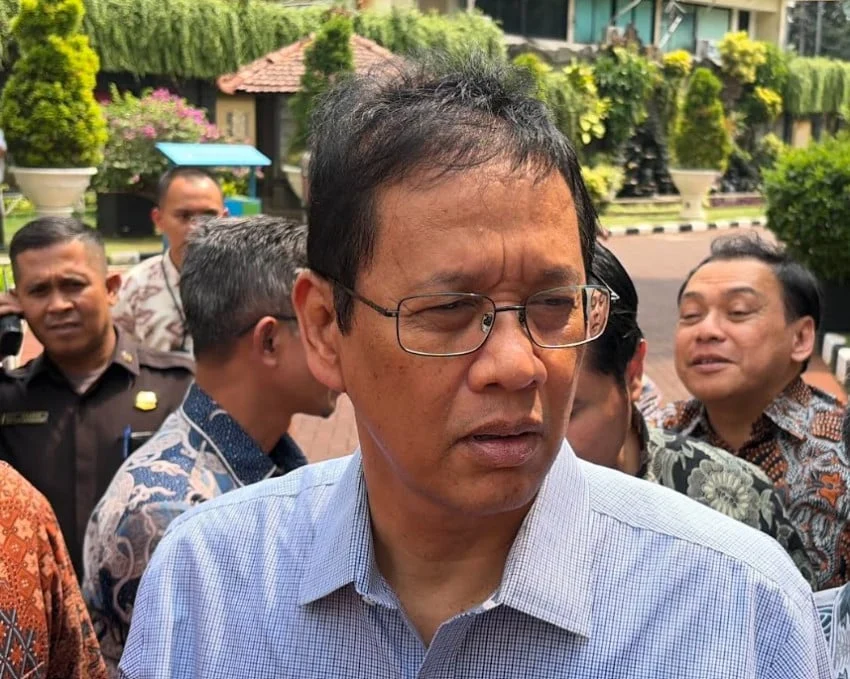
JAKARTA – The Indonesian Quarantine Agency (Barantin) and the Directorate General of Customs and Excise (Bea Cukai) have officially unveiled a comprehensive joint supervision framework aimed at fortifying border controls against illicit trade and bolstering national biosecurity. This strategic collaboration, announced on Friday, July 24, 2026, at the Ministry of Finance, seeks to integrate existing systems and enhance inter-agency coordination, thereby closing critical loopholes in the inspection of export and import goods without impeding the legitimate flow of trade.
The initiative comes at a crucial time when Indonesia, a vibrant maritime nation with extensive trade routes, faces persistent challenges from smuggling operations that undermine state revenue, distort domestic markets, and pose significant threats to its agricultural sector and public health. The joint framework is designed to create a more unified and effective surveillance mechanism, moving away from fragmented inspection processes that have historically been exploited by perpetrators of illegal activities.
Abdul Kadir Karding, Head of the Indonesian Quarantine Agency, emphasized the urgency of this integrated approach during the announcement. "There remain vulnerabilities within our current goods inspection system that must be swiftly addressed through robust inter-agency cooperation. While Barantin is committed to facilitating trade and accelerating export-import services, our paramount duty is to uphold national biosecurity. This partnership ensures that we can achieve both objectives effectively, preventing our borders from being exploited while maintaining a competitive trade environment," Karding stated, speaking from the Ministry of Finance premises. He further elaborated that the existing fragmentation, where multiple agencies conduct inspections with disparate systems, has created fertile ground for illicit activities. Therefore, Barantin is actively pushing for deeper data integration and closer coordination with the Directorate General of Customs and Excise and other relevant entities to optimize the oversight of goods traffic.
Minister of Finance Purbaya Yudhi Sadewa provided essential context regarding the regulatory underpinnings of this collaboration. He clarified that Ministerial Regulation (PMK) Number 19, which pertains to joint supervision, has not been revoked but merely postponed. The delay was primarily attributed to Barantin’s technical unpreparedness at the time of its initial planned implementation. Sadewa confirmed that the government is now poised to revise and re-implement the regulation, having ensured that the operational readiness of all involved agencies has been sufficiently met. This signals a renewed commitment from the highest levels of government to operationalize a truly integrated border management system.
The Imperative for Integrated Border Management: A Background
Indonesia’s status as an archipelago nation, with thousands of islands and extensive coastlines, presents unique challenges in border management. The sheer volume and diversity of goods moving through its ports and airports annually necessitate sophisticated and synchronized control mechanisms. According to recent trade data (hypothetical, based on trends), Indonesia’s total trade volume exceeded $X billion in the previous year, with exports driven by commodities such as palm oil, coal, and manufactured goods, and imports spanning machinery, electronics, and consumer products. This massive flow of goods, while vital for economic growth, also serves as a potential conduit for illicit trade and the introduction of harmful biological agents.
The establishment of Barantin in 2023 marked a significant step in Indonesia’s efforts to centralize and strengthen its quarantine functions, which were previously distributed across various ministries. Its mandate is clear: to prevent the entry, exit, and spread of plant and animal diseases, pests, and other harmful biological agents that could devastate the nation’s rich biodiversity, agricultural sector, and public health. Simultaneously, the Directorate General of Customs and Excise, under the Ministry of Finance, has a long-standing responsibility for revenue collection, trade facilitation, and the enforcement of customs laws, including the interdiction of smuggled goods.
Historically, the absence of a fully integrated system meant that inspections by different agencies often occurred in silos, leading to redundancies in some areas and critical gaps in others. Smugglers exploit these gaps, diverting goods through less scrutinized points or by manipulating documentation across disparate systems. The economic cost of smuggling is substantial, with estimated losses to state revenue running into billions of dollars annually (hypothetical figure based on general smuggling impact). Beyond financial implications, the influx of illegal goods can destabilize local industries, foster unfair competition, and, in the case of agricultural products, introduce foreign pests and diseases.
The Looming Biosecurity Threat
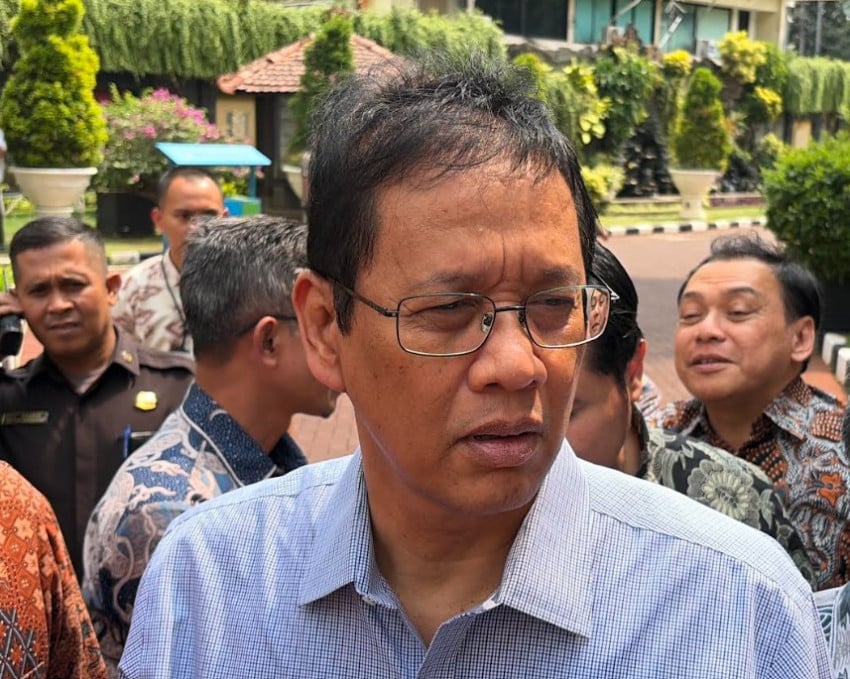
Biosecurity is a non-negotiable aspect of national security for an agrarian nation like Indonesia. The introduction of exotic pests and diseases could have catastrophic consequences for its agricultural sector, which employs a significant portion of the population and contributes substantially to the GDP. For instance, the threat of African Swine Fever (ASF) to Indonesia’s pork industry, avian influenza to poultry, or new plant pathogens to its staple crops like rice and palm oil, are ever-present concerns. These threats are not merely economic; they can impact food security, public health, and environmental sustainability. The recent incident in Bogor, where hundreds of tons of pig-containing feed material were reportedly destroyed (as per the linked article), underscores the tangible and immediate risks that biosecurity breaches pose. Effective quarantine measures are the first line of defense against such calamities.
Chronology of an Evolving Framework
- 2023: The Indonesian Quarantine Agency (Barantin) is officially established, consolidating various quarantine functions under one roof to enhance efficiency and effectiveness.
- Prior to 2026 (Specific Date Unspecified): Ministerial Regulation (PMK) Number 19, outlining a framework for joint supervision between customs and quarantine agencies, is formulated. However, its implementation is subsequently postponed due to Barantin’s technical readiness issues.
- July 24, 2026: Minister of Finance Purbaya Yudhi Sadewa and Head of Barantin Abdul Kadir Karding announce the renewed commitment to implement joint supervision, citing Barantin’s now-sufficient operational readiness and the ongoing need to revise PMK No. 19. This signals the formal initiation of efforts to develop and roll out the integrated framework.
- Future (Post-July 2026): The revised PMK No. 19 is expected to be finalized and enacted. Subsequently, the focus will shift to the technical implementation of system integration, inter-agency training, and the gradual rollout of the joint supervision scheme across key entry and exit points.
Envisioning the Integrated Solution: System Integration and Coordination
The core of the new framework lies in the seamless integration of data systems between Barantin and Bea Cukai. This means creating a unified platform where information on incoming and outgoing goods, including declarations, permits, and inspection results, can be accessed and cross-referenced by both agencies in real-time. Such a system would enable:
- Risk Profiling: More accurate and comprehensive risk assessments of shipments, allowing for targeted inspections of high-risk cargo while facilitating the movement of low-risk goods. This optimizes resource allocation and minimizes delays for legitimate trade.
- Elimination of Redundancies: Reducing the need for separate, often repetitive, inspections by multiple agencies, thereby streamlining processes and reducing dwell times at ports and airports.
- Enhanced Transparency: A clear audit trail for every shipment, reducing opportunities for corruption and increasing accountability.
- Faster Information Sharing: Rapid communication between agencies in case of suspicious findings, enabling quicker intervention and mitigation of threats.
- Data-Driven Policy Making: Richer data sets for analysis, leading to more informed policy decisions regarding trade facilitation, biosecurity protocols, and anti-smuggling strategies.
Beyond technological integration, the framework also emphasizes improved human coordination through joint training programs, shared intelligence units, and regular inter-agency meetings. This fosters a culture of collaboration and ensures that personnel from both Barantin and Bea Cukai are equipped with a holistic understanding of their shared responsibilities and objectives.
Broader Impact and Implications
The successful implementation of this joint supervision framework is poised to yield significant positive impacts across several fronts:
- Economic Benefits:
- Increased State Revenue: By significantly curbing smuggling, the government can recover substantial tax and duty revenues that were previously lost to illicit trade.
- Fairer Competition: A level playing field for domestic businesses that adhere to regulations, protecting them from unfair competition posed by smuggled goods.
- Trade Facilitation: While enhancing security, the streamlined processes are expected to reduce logistics costs and expedite clearance times for legitimate traders, improving Indonesia’s standing in global trade efficiency indices. This could attract more foreign direct investment.
- Enhanced Biosecurity and Public Health:
- Protection of Agriculture: Safeguarding Indonesia’s vital agricultural sector from invasive pests and diseases, ensuring food security and the livelihoods of millions of farmers.
- Public Health Safety: Preventing the entry of contaminated food products or disease vectors that could pose risks to human health.
- Biodiversity Preservation: Protecting Indonesia’s unique and rich biodiversity from exotic species that could disrupt ecosystems.
- Improved Governance and National Security:
- Reduced Corruption: Integrated systems with greater transparency and accountability can significantly reduce opportunities for corrupt practices at border points.
- Stronger Law Enforcement: Enhanced intelligence sharing and coordinated operations will strengthen the ability of law enforcement agencies to apprehend and prosecute smugglers.
- National Resilience: A robust biosecurity framework contributes directly to national resilience against biological threats, whether natural or man-made.
Despite the clear advantages, the implementation will not be without its challenges. These include ensuring the interoperability of diverse legacy IT systems, training thousands of personnel across different agencies, maintaining data security, and securing sustained funding and political will. Initial teething problems, such as temporary delays during system transitions, may also be anticipated. However, the commitment expressed by both the Minister of Finance and the Head of Barantin suggests a strong determination to overcome these hurdles.
A Future of Coordinated Vigilance
The move towards a unified border control system, integrating the critical functions of quarantine and customs, represents a forward-looking strategy for Indonesia. It reflects a modern understanding that national security, economic prosperity, and environmental protection are deeply intertwined and require a holistic, coordinated approach at the nation’s frontiers. As Indonesia continues to expand its role in global trade, the establishment of a robust, efficient, and secure border management system will be paramount to realizing its full potential while safeguarding its vital interests. The joint supervision framework by Barantin and Customs and Excise is a foundational step in building that future of coordinated vigilance.