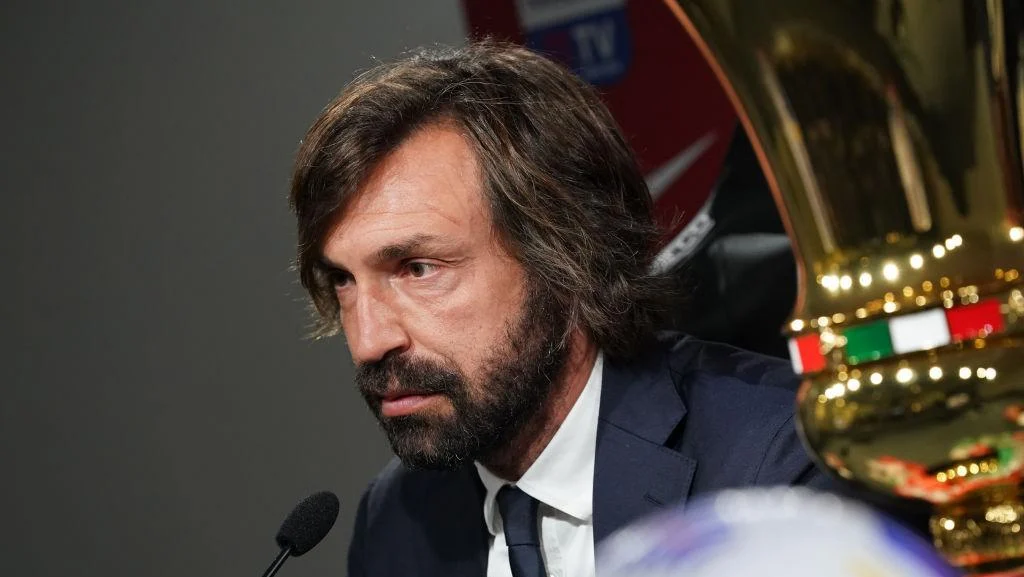
The Italian Football Federation (FIGC) appears to be nearing a significant decision in its search for a new head coach for the men’s national team, the Azzurri. After facing rejections from two of the world’s most esteemed managers, Carlo Ancelotti and Pep Guardiola, the FIGC has reportedly turned its attention to a celebrated former Italian international, Andrea Pirlo. This potential appointment marks a new chapter for the national team, one that could leverage the deep understanding of Italian football possessed by a legendary playmaker.
According to reports from Sky Italia, the FIGC has shifted its focus to Pirlo, and the former midfielder has expressed enthusiasm for the opportunity to lead his country. This development suggests a positive reception from Pirlo’s side, potentially signaling a swift resolution to a coaching search that has been closely watched by the footballing world. Initial indications point towards a verbal agreement being reached between Pirlo and the FIGC. Furthermore, it is understood that Pirlo is already in the process of assembling his backroom staff, indicating a readiness to embark on this new challenge.
The proposed coaching team includes some of Pirlo’s trusted associates from his previous managerial stints. Roberto Baronio and Roberto De Bellis, who have worked alongside Pirlo in the past, are expected to join his staff. Additionally, the report highlights the potential addition of new figures such as Paolo Bertelli and Marco Savorani, suggesting a blend of familiar faces and new expertise to support Pirlo.
A Calculated Shift in Strategy
The FIGC’s pursuit of high-profile managers like Pep Guardiola and Carlo Ancelotti underscores their ambition to secure a coach with proven international pedigree and extensive experience at the highest levels of the sport. However, both managers ultimately declined the offer, citing prior commitments and personal circumstances.
Carlo Ancelotti, currently managing the Brazilian national team, was reportedly unable to accept the role due to his ongoing contract obligations. His focus remains on guiding Brazil through their current campaign, making a simultaneous commitment to the Italian national team untenable.
Pep Guardiola, on the other hand, cited a need for personal respite. Having recently concluded a highly successful tenure with Manchester City, Guardiola indicated that he was not yet ready to take on another demanding managerial role. His decision suggests a desire for a period of reflection and rejuvenation before committing to a new project of the magnitude required to lead a national team.
These rejections left the FIGC in a position where they needed to reassess their strategy and explore alternative candidates. The reported pivot to Andrea Pirlo represents a significant shift, moving from established global icons to a manager whose coaching career is still in its nascent stages, albeit with considerable promise.
Pirlo’s Coaching Journey: A Foundation of Promise
Andrea Pirlo’s transition from a revered player to a coach has been a topic of interest since his retirement from playing. His managerial career, while relatively short, has been marked by significant appointments and a consistent exposure to top-tier football.
Pirlo’s coaching debut came in 2020 when he took the reins of Juventus U-23, the reserve team of the Turin giants. This initial role provided him with valuable experience in player development and tactical implementation at a professional level. His performance at this level quickly earned him a promotion to manage the senior Juventus squad.
During his tenure with Juventus’s first team, Pirlo managed to secure silverware, notably winning the Coppa Italia and the Supercoppa Italiana. These achievements, though in a challenging environment and a period of transition for the club, demonstrated his capacity to guide a major team and achieve success. However, his time at the helm of Juventus was relatively brief, and he was subsequently replaced.
Following his departure from Juventus, Pirlo took on the role of head coach for Sampdoria in Serie B. His spell with the Genoese club offered further experience in navigating the complexities of league management and player motivation. More recently, Pirlo has been coaching Dubai United in the United Arab Emirates, a move that has broadened his international coaching perspective and allowed him to further hone his skills in a different footballing culture.
While Pirlo may not possess the extensive trophy cabinet of a Guardiola or the decades of elite management experience of an Ancelotti, his connection to Italian football is undeniable. As a player, he was instrumental in Italy’s 2006 FIFA World Cup triumph and enjoyed a storied career with clubs like AC Milan and Juventus, accumulating numerous domestic and international honors. This deep understanding of the Italian game, its players, and its culture could prove to be a significant asset for the national team.
The Road to the Azzurri Dugout: A Timeline of the Search
The search for a new Italian national team coach has been an ongoing process, punctuated by speculation and official inquiries. Following the departure of Roberto Mancini, the FIGC has been actively seeking a successor who can lead the team into future major tournaments, including the UEFA Nations League and the next FIFA World Cup qualifiers.
Key Milestones in the Search:
- Post-Mancini Era Begins: The departure of Roberto Mancini created a void that the FIGC has been keen to fill with a coach capable of maintaining and building upon the team’s recent successes, including their UEFA Euro 2020 victory.
- Initial High-Profile Targets: Reports consistently linked Carlo Ancelotti and Pep Guardiola to the vacant position. The FIGC is believed to have made official or unofficial approaches to both managers, recognizing their global standing and tactical acumen.
- Ancelotti’s Commitment to Brazil: Carlo Ancelotti’s contractual obligations with the Brazilian Football Confederation (CBF) emerged as a primary obstacle to his potential appointment. This was a significant setback for the FIGC’s initial plans.
- Guardiola’s Desire for a Break: Pep Guardiola’s decision to take a sabbatical after his departure from Manchester City meant that Italy would have to wait, or look elsewhere. His stance was seen as a preference for personal time rather than an outright rejection of the role itself, but the timing was not conducive to an immediate appointment.
- Focus Shifts to Pirlo: With the primary targets unavailable, the FIGC has reportedly shifted its attention to Andrea Pirlo. Sky Italia’s reports suggest that this move has been met with a positive response from the former midfielder.
- Verbal Agreement and Staff Assembly: The latest reports indicate that a verbal agreement is in place, and Pirlo is actively preparing to build his coaching staff, signaling a strong likelihood of his imminent appointment.
Supporting Data and Managerial Records
To contextualize Pirlo’s potential appointment, it is useful to examine his managerial record alongside the typical profiles of coaches who have led major national teams.
Andrea Pirlo’s Managerial Record:
- Juventus U-23: (2020-2020) – Experience in lower professional leagues.
- Juventus (Senior Team): (2020-2021)
- Games Managed: 52
- Wins: 32
- Draws: 12
- Losses: 8
- Win Percentage: 61.5%
- Trophies: Coppa Italia (1), Supercoppa Italiana (1)
- Sampdoria: (2022-2023) – Managed in Serie B.
- Dubai United: (Current) – Managing in the UAE.
Comparison with Previous Italian National Team Coaches:
- Roberto Mancini: Before taking the Italy job in 2018, Mancini had an extensive managerial career in club football, managing teams like Inter Milan, Manchester City, and Galatasaray, accumulating numerous trophies. His experience with top clubs was a key factor in his appointment.
- Cesare Prandelli: Appointed in 2010, Prandelli had previously managed several Serie A clubs, including Fiorentina, where he achieved notable success in European competition.
- Marcello Lippi: A legendary figure, Lippi had a distinguished club career, most notably with Juventus, before leading Italy to World Cup glory in 2006.
Pirlo’s record, while containing significant achievements like domestic cups with Juventus, is less extensive in terms of years and the breadth of clubs managed compared to his predecessors. However, his playing pedigree and recent coaching experiences are seen as a foundation for a potential role with the national team.
Official Responses and Reactions (Inferred)
While official confirmation from the FIGC or Andrea Pirlo is pending, the reports of a verbal agreement and staff assembly suggest a high degree of confidence within the federation.
FIGC’s Perspective (Inferred): Facing rejections from more established figures, the FIGC likely views Pirlo as a coach who understands the Italian footballing ethos and possesses the tactical intelligence to succeed. His familiarity with the national team setup from his playing days could also be a significant advantage in fostering team spirit and implementing his vision. The younger demographic of Pirlo could also be seen as a forward-thinking approach, aligning with modern coaching trends.
Pirlo’s Perspective (Inferred): For Pirlo, the opportunity to manage the Italian national team represents the pinnacle of his coaching aspirations. Having represented Italy with distinction as a player, the chance to lead his country would be an immense honor. His willingness to quickly assemble a staff suggests a readiness to embrace the challenge and a belief in his ability to succeed.
Player and Fan Reactions (Anticipated): The news of Pirlo’s potential appointment is likely to evoke mixed reactions. Many fans and former teammates will be excited by the prospect of a beloved Italian icon leading the Azzurri. His tactical astuteness as a player is well-documented, and many will hope this translates into effective coaching. However, some may harbor concerns about his relative lack of extensive managerial experience at the very highest international level, especially in the wake of seeking out Guardiola and Ancelotti. Nonetheless, the romantic appeal of Pirlo, a World Cup winner, taking the helm could galvanize support.
Broader Impact and Implications for Italian Football
The appointment of Andrea Pirlo as the head coach of the Italian national team could have several significant implications for the future of Italian football.
Tactical Identity: Pirlo, known for his elegant passing and vision on the field, is expected to instill a possession-based, attacking style of play. This aligns with the historical strengths of Italian football, which has often prided itself on technical prowess and tactical sophistication. His coaching philosophy, if it mirrors his playing style, could lead to a more attractive and proactive Azzurri side.
Player Development: Pirlo’s experience coaching at Juventus U-23 and his recent work in developing players could be crucial. He may be inclined to give opportunities to emerging talents and integrate them into the senior squad, fostering a pipeline of future stars for Italy. This focus on youth development is vital for the long-term health of the national team.
Rebuilding and Momentum: After the disappointment of failing to qualify for the 2018 FIFA World Cup and the subsequent changes in coaching staff, Pirlo’s appointment could signal a period of stability and renewed optimism. His charismatic presence and connection with the Italian public might help to rebuild confidence and rally support for the team.
Navigating Challenges: Pirlo will inherit a team that has shown resilience and quality, as evidenced by their Euro 2020 victory. However, he will face the challenge of qualifying for major tournaments, competing against established European powerhouses, and managing the expectations of a passionate fanbase. His ability to adapt his tactical approach and manage high-pressure situations will be critical.
In conclusion, the potential appointment of Andrea Pirlo to lead the Italian national team represents a bold and intriguing choice for the FIGC. After an unsuccessful pursuit of two managerial giants, the federation appears to be placing its faith in a beloved former player whose coaching career is on an upward trajectory. The coming weeks will likely bring official confirmation, and the football world will be keenly watching to see if Pirlo can translate his legendary playing career into coaching success on the international stage.