As of November 26, 2026, experts from UCDavis Health have highlighted that extending the shelf life of fresh produce requires a nuanced understanding of biological processes, such as ethylene production and humidity requirements. By optimizing the kitchen environment, households can significantly reduce their environmental footprint and grocery expenditures.
The Macroeconomic Impact of Household Food Waste
The implications of food spoilage extend far beyond the individual kitchen. When consumers discard fruits and vegetables that have wilted or decayed, they are also discarding the resources used to produce them: the water, fertilizer, labor, and transportation fuel. In an era of rising food prices and supply chain volatility, mastering storage techniques is a proactive measure for both economic stability and resource conservation.
For many urban households, the challenge lies in the discrepancy between supermarket purchase cycles and the natural degradation rates of produce. While refrigeration is a standard tool, it is not a panacea for all perishables. Understanding the specific physiological needs of different plant tissues—whether they are ethylene-sensitive, moisture-dependent, or light-averse—is essential for maximizing freshness.
Scientific Principles of Produce Preservation
To provide a structured approach to waste reduction, we examine seven common food categories and the evidence-based protocols for their preservation, as outlined by agricultural and nutrition experts.
1. Optimization for Leafy Greens
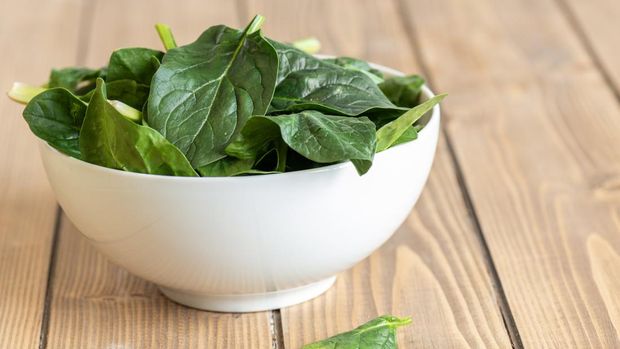
Leafy vegetables, such as lettuce, spinach, and kale, are highly susceptible to moisture-induced degradation. Excess humidity triggers the rapid proliferation of bacteria and enzymes that break down cell walls, leading to the characteristic "slimy" texture associated with spoilage.
The recommended protocol involves removing excess surface moisture after washing. By wrapping the greens in a paper towel or a clean, absorbent cloth before placing them in the refrigerator, the consumer creates a buffer that regulates humidity. This method typically extends the crispness of leafy greens by several days, though consumption within one week remains the gold standard for nutritional density.
2. The Tomato Preservation Paradox
A common misconception is that all produce should be refrigerated immediately upon arrival. Tomatoes, however, are a notable exception. Refrigeration alters the chemical composition of the fruit, inhibiting the enzymes responsible for flavor development and damaging the cell membranes, which leads to a mealy texture.
To maintain peak flavor, tomatoes should be stored at room temperature. Once the fruit has been sliced, the biological integrity is compromised, and the risk of microbial contamination increases. At this stage, transfer to a sealed, airtight container and refrigeration is necessary, with a mandatory consumption window of two hours to ensure safety and quality.
3. Managing the Ripening Process of Avocados
Avocados represent a unique challenge due to their high oil content and rapid maturation. When unripe, refrigeration can serve as a "pause button" for the ripening process, allowing consumers to control the timing of consumption. Once an avocado reaches maturity, it can typically be held for up to five days under refrigerated conditions. A critical technique for halved avocados is to store them with the flesh facing downward, minimizing exposure to oxygen and preventing enzymatic browning (oxidation).
4. The Broccoli Humidity Regulation
Broccoli is sensitive to both moisture and ethylene gas. Washing broccoli before storage introduces excess water into the florets, which accelerates decay. The optimal strategy is to store unwashed broccoli in a loose plastic bag or an open container within the refrigerator’s vegetable crisper drawer. This maintains a balance between humidity and ventilation. If the stalks begin to show signs of dehydration, a "rehydration" technique—trimming the base and placing the stalk in approximately 2.5 centimeters of water—can revitalize the vegetable overnight.
5. Starch Stability in Root Vegetables
Potatoes require a stable, dark environment to prevent the conversion of starch into sugar and to inhibit the production of solanine, a toxic compound that turns the skin green. Exposure to light is the primary catalyst for this degradation. Storage in a paper bag inside a cool, dry pantry is recommended. Avoiding humid environments is crucial, as moisture triggers premature sprouting and fungal growth.
6. The Bawang Bombay (Onion) Separation Rule
Bawang bombay, or bulb onions, possess distinct storage requirements due to their release of ethylene gas during the curing and storage process. Ethylene acts as a natural ripening agent that can accelerate the decay of neighboring produce. Consequently, onions should be stored in a cool, dark, and well-ventilated area, strictly separated from ethylene-sensitive items like potatoes or root vegetables. This separation prevents the cross-contamination of ripening gases, ensuring that the entire inventory of the pantry lasts longer.
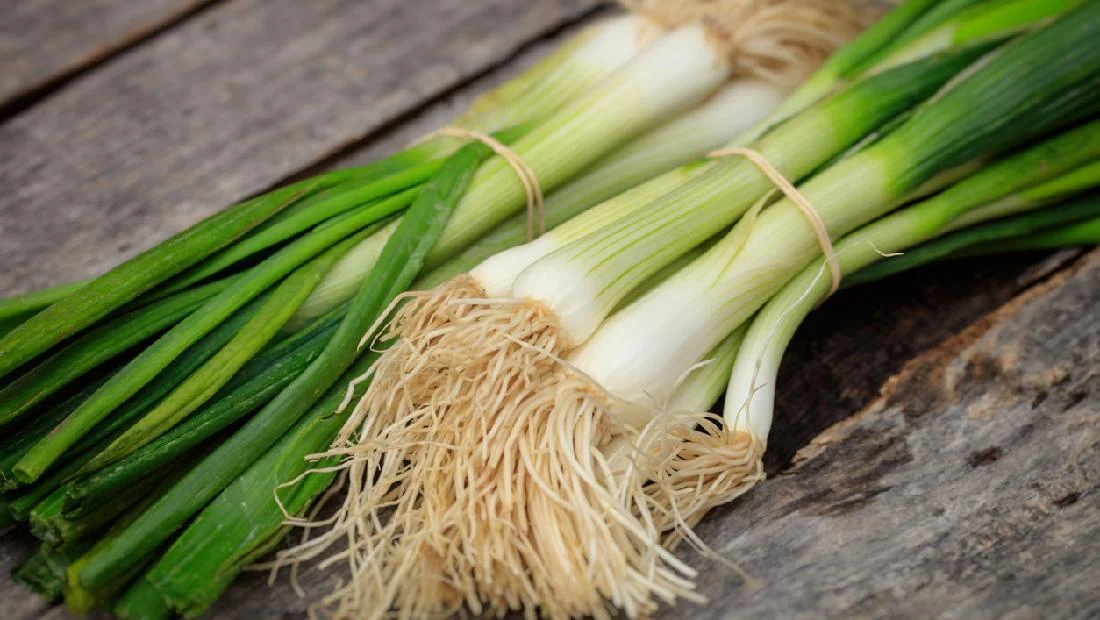
7. Hydro-Preservation for Herbs and Scallions
For aromatic herbs, celery, and green onions (daun bawang), moisture is a preservative rather than an enemy. These items can be treated similarly to cut flowers. By placing the stalks in a jar containing 2.5 to 5 centimeters of water and loosely covering the top with a plastic bag, the produce can continue to draw hydration. Daily water changes are necessary to prevent bacterial growth in the vessel, maintaining the crispness and flavor of the herbs for an extended duration.
Strategic Implications for Consumers
The adoption of these seven practices constitutes a behavioral shift toward "conscious consumption." As food security becomes a global priority, the responsibility falls upon the consumer to bridge the gap between farm-to-table supply chains and final utilization.
Industry analysts suggest that if every household reduced food waste by even 10%, the cumulative impact on municipal waste management systems and the carbon footprint associated with landfill methane emissions would be significant. Furthermore, the financial savings generated by reducing spoilage provide a buffer for households against the inflationary pressures affecting the global food supply.
Conclusion and Future Outlook
The science of food storage is an evolving field. As researchers continue to study the volatile organic compounds emitted by produce, new storage technologies, such as ethylene-absorbing packets and advanced biopolymer packaging, are likely to become more accessible to the average consumer. Until then, the application of these fundamental physical and biological principles remains the most effective, accessible, and sustainable method for ensuring that the fresh produce we purchase serves its intended purpose: providing nutrition to our households rather than ending up in a waste stream. By integrating these habits into daily routines, consumers play a direct, measurable role in global sustainability efforts.