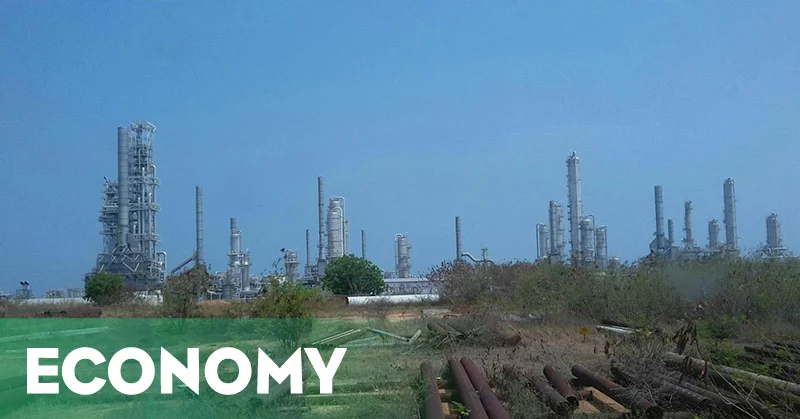
The pursuit of national energy independence and fiscal resilience reached a significant milestone in November 2015, as Indonesian President Joko Widodo undertook a high-profile working visit to East Java. The primary objective of the presidential delegation was to inspect the operational revival of the Trans Pacific Petrochemical Indotama (TPPI) refinery located in Tuban. This critical industrial facility, long plagued by financial turbulence and operational stagnation, was brought back to life under the stewardship of state-owned energy giant PT Pertamina (Persero).
Accompanied by a high-ranking delegation that included Minister of State-Owned Enterprises (BUMN) Rini Soemarno, Pertamina President Director Dwi Soetijpto, and Director General of Oil and Gas IGN Wiratmaja Puja, President Widodo sought to evaluate firsthand the facility’s capacity to bolster domestic fuel production. The resumption of operations at the TPPI Tuban complex was framed by administration officials not merely as a corporate turnaround, but as a macro-economic imperative designed to slash Indonesia’s heavy reliance on costly refined fuel imports, stabilize the domestic supply chain, and conserve critical foreign exchange reserves.
A Troubled Past: The Chronology of TPPI’s Stagnation
To fully appreciate the strategic weight of the November 2015 inspection, it is essential to examine the historical trajectory of the TPPI Tuban plant. Conceptualized decades prior as a cornerstone of Indonesia’s petrochemical and refining infrastructure, the facility was designed to integrate upstream and downstream petrochemical production, producing vital commodities such as aromatics, gasoline, and liquefied petroleum gas (LPG).
However, the refinery’s operational history was marred by chronic financial distress, complex legal entanglements, and governance challenges. For years, TPPI struggled with mounting debt obligations, structural inefficiencies, and feedstock supply disruptions, ultimately leading to a grinding halt in its production cycles. The facility’s idled capacity represented a massive opportunity cost for Southeast Asia’s largest economy, which was concurrently grappling with a widening current account deficit driven heavily by the importation of finished petroleum products.
The turning point arrived when the Indonesian government, under the newly elected administration of President Widodo, prioritized the revitalization of dormant strategic assets. Recognizing that continued reliance on imported fuels exposed the nation to global price volatility and foreign exchange pressures, the government mandated Pertamina to step in. Utilizing its financial muscle and operational expertise, Pertamina initiated a rescue and integration plan, effectively absorbing and rehabilitating the complex to bring its refining units back onstream.
Strategic Data and Production Metrics
The economic rationale underpinning the revival of the TPPI Tuban refinery is rooted in impressive operational metrics and substantial import-substitution figures. During the presidential inspection, Pertamina management detailed the immediate and projected impacts of the facility’s reactivation on the national energy landscape.
According to Wianda Pusponegoro, who served as Vice President of Communication for Pertamina at the time, the refinery’s operational output directly targets one of Indonesia’s most consumed fuel grades: Premium gasoline (RON 88).
"This refinery is capable of cutting imports of Premium-type fuel production by up to 20 percent, with total production reaching 61,000 barrels per day," Wianda stated during the site visit in Tuban, East Java.
To contextualize this output within the broader framework of the national budget and foreign exchange management, energy analysts evaluated the financial implications based on prevailing global crude oil benchmarks. Assuming an average global market price of USD 60 per barrel for gasoline, the domestic production generated by the Tuban facility translates into an estimated annual import savings of USD 1.2 billion. In local currency terms at the exchange rates of the period, this amounted to approximately Rp 16 trillion saved annually—funds that could be redirected toward infrastructure development, social assistance, and fiscal stimulus.
Furthermore, the integration of TPPI into Pertamina’s downstream supply chain optimized the utilization of domestic crude oil streams and condensate, particularly from fields managed by Pertamina and other production-sharing contractors operating within Indonesia. This created a more closed-loop domestic energy ecosystem, insulating the national market from external supply shocks and geopolitical disruptions in distant shipping corridors.

Official Responses and Stakeholder Perspectives
The inspection drew significant commentary from key decision-makers across the government and corporate sectors, highlighting a unified approach to addressing Indonesia’s structural energy deficits.
President Joko Widodo, known for his hands-on management style and preference for direct field inspections (blusukan), emphasized that state-owned enterprises must function as efficient engines of national development rather than fiscal drains. His administration’s insistence on reviving stalled infrastructure projects found a practical success story in TPPI, demonstrating that complex corporate restructuring could yield immediate macroeconomic relief.
Minister Rini Soemarno played a pivotal instrumental role in orchestrating the inter-agency cooperation required to clear administrative and financial roadblocks that had historically hindered the plant. Under her oversight, the Ministry of BUMN facilitated the complex financial choreography necessary for Pertamina to assume operational control without triggering destabilizing legal or financial fallout.
Pertamina leadership, spearheaded by Director General Dwi Soetijpto, underscored the technical achievements of the company’s engineering teams. Restarting a petrochemical and refining complex of this magnitude requires meticulous safety protocols, rigorous equipment testing, and the seamless synchronization of upstream feedstock delivery with downstream distribution networks. The successful restart served as a testament to Pertamina’s growing technical capability to manage large-scale industrial assets.
Broader Macroeconomic Implications and Long-Term Impact
The revival of the TPPI Tuban refinery transcended immediate fuel supply logistics, carrying profound implications for Indonesia’s macroeconomic stability and industrial competitiveness.
First and foremost, the reduction of fuel imports played a vital role in narrowing Indonesia’s current account deficit. For years, net oil imports had been a persistent structural vulnerability for the Indonesian economy, straining foreign exchange reserves and exerting downward pressure on the rupiah during periods of global currency volatility. By substituting imported gasoline with domestic refinery output, the government effectively plugged one of the largest leaks in the national balance of payments.
Second, the facility’s secondary output—various petrochemical products and aromatics—revitalized downstream manufacturing industries within Indonesia. Petrochemicals serve as the foundational raw materials for a wide array of consumer goods, packaging materials, textiles, and automotive components. A reliable domestic supply of petrochemical feedstocks shielded local manufacturers from the vagaries of international shipping costs and global supply chain bottlenecks, thereby enhancing the global competitiveness of Indonesia’s manufacturing sector.
Third, the operational success at Tuban served as a psychological and strategic boost for Indonesia’s state-owned enterprise sector. It proved that systemic inefficiencies within legacy industrial assets could be corrected through decisive political will, professional management, and strategic capital allocation. The turnaround model established during the TPPI integration provided a valuable blueprint for subsequent infrastructure and energy asset rehabilitations across the archipelago.
Conclusion
The presidential inspection of the Trans Pacific Petrochemical Indotama refinery in Tuban marked a watershed moment in Indonesia’s modern economic history. By transitioning the facility from a symbol of chronic stagnation to an engine of fiscal conservation and energy security, the government and Pertamina demonstrated the tangible benefits of strategic asset revitalization.
With projected annual savings running into billions of dollars and a substantial reduction in foreign fuel dependency, the revived Tuban complex solidified its place as a vital pillar of national resilience. As Indonesia continued to navigate the complex dynamics of global energy markets in the years following the 2015 inspection, the lessons and economic dividends born from the revitalization of TPPI remained a foundational benchmark for future infrastructure and industrial policy.