li
The dissolution of Pertamina Energy Trading Limited (Petral) stands as one of the most significant structural overhauls in Indonesia’s energy sector within the past decade. Yet, amidst the sweeping policy changes and official announcements regarding the dismantling of the controversial trading arm, high-ranking government officials have occasionally adopted a stance of strategic silence. A notable instance of this occurred when Coordinating Minister for Maritime Affairs and Resources, Rizal Ramli, consistently avoided addressing reporters who sought his commentary on the formal closure of the Singapore-based subsidiary. The disbandment of Petral and its operating arm, Pertamina Energy Services Pte Ltd (PES), followed damning revelations regarding third-party interference in the procurement of crude oil and refined petroleum products.
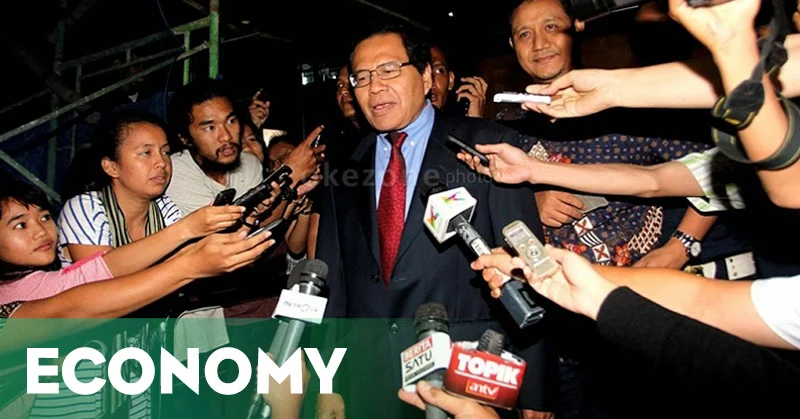
Despite overseeing the Ministry of Energy and Mineral Resources (ESDM), which officially spearheaded the liquidation announcement, Ramli opted to deflect media inquiries. Following a high-level meeting concerning energy diversification and decentralization at his central Jakarta office, the minister refused to answer specific questions regarding the Petral liquidation. Instead of offering a formal statement to the gathered press corps, Ramli simply raised both hands with a subtle smile and bypassed journalists to depart the premises. Staff members accompanying the minister later clarified that his abrupt departure was necessitated by an urgent summons to the State Palace, where President Joko Widodo was scheduled to host an official state welcome ceremony for Italian President Sergio Mattarella.
The reticence displayed by key cabinet members during major regulatory shifts often points to the complex political sensitivities underpinning state-owned enterprise (SOE) reforms in Indonesia. While the formal decision to dissolve Petral was framed as a major victory for transparency and good corporate governance, the intricate web of vested interests, historical procurement practices, and intra-governmental coordination meant that public commentary required careful calibration.
Background Context: The Anatomy of the Petral Controversy
To understand the weight of the questions directed at Rizal Ramli, one must examine the long-standing controversy surrounding Petral. Established as a subsidiary of Indonesia’s state-owned oil and gas giant, Pertamina, Petral was originally intended to serve as Pertamina’s trading arm abroad, handling the procurement of crude oil and petroleum products to meet domestic energy demands. Over the years, however, the entity became a focal point of public criticism, political debate, and allegations of systemic inefficiency.
Critics, energy analysts, and successive government reform committees argued that Petral operated as an opaque "black box" shielded from direct domestic oversight. The reliance on Singapore-based trading operations meant that a significant portion of Indonesia’s massive fuel imports—amounting to hundreds of thousands of barrels daily—was subjected to intermediary markups. These structural inefficiencies contributed heavily to the high cost of energy in Indonesia, placing a persistent fiscal burden on the state budget through fuel subsidies.
Public pressure intensified as independent audits and governance reviews highlighted how third-party brokers and shadowy intermediaries managed to insert themselves into transactions between international suppliers and Pertamina. These middlemen added layers of cost without providing tangible value, effectively siphoning revenues that should have directly benefited the state. The realization that Indonesia, a major regional economy, was procuring its energy needs through a convoluted offshore network prompted successive administrations to promise sweeping reforms. The momentum finally culminated in concrete investigative findings during the administration of President Joko Widodo, who took office in late 2014 with a mandate to eradicate economic mafias and reform the energy sector.
Chronology of the Dissolution Process
The path leading to the events of November 2015 was marked by a series of deliberate administrative steps, audits, and policy directives aimed at dismantling Petral and bringing energy procurement back under direct domestic control.
The process accelerated significantly in early 2015 when the Ministry of Energy and Mineral Resources, working in tandem with the newly empowered governance reform teams and Pertamina’s board of directors, initiated comprehensive audits into Petral Energy Services Pte Ltd (PES). These investigations were designed to uncover the mechanics of crude oil and Fuel Oil (BBM) procurement, specifically focusing on the involvement of unauthorized third parties and brokers.
By mid-2015, the findings of these audits became undeniable. Investigators revealed concrete evidence proving that third parties had systematically interfered with the trading processes of PES, influencing pricing structures, tender allocations, and supply contracts to the detriment of Pertamina’s financial health. Armed with these findings, the government concluded that reforming the existing structure was no longer sufficient; a total liquidation of the entity was required.
In August 2015, the Ministry of Energy and Mineral Resources officially announced the decision to dissolve Petral and wind down its operations. The liquidation plan outlined a phased transition whereby all trading activities, crude procurement contracts, and fuel supply negotiations would be transferred back to Jakarta, specifically under Pertamina’s newly established Integrated Supply Chain (ISC) division.
By November 2015—the timeframe during which Rizal Ramli faced persistent questioning from journalists—the administrative wind-down was well underway, though the broader implications of the closure continued to ripple through political and economic circles. The transition required delicate navigation, as Pertamina had to absorb complex international contracts, restructure its logistics, and reassure global market partners that Indonesia’s fuel supply chain would remain uninterrupted during the handover.
Official Responses and Institutional Stances
The handling of the Petral dissolution highlighted differing communication styles among Indonesia’s economic and energy ministers. While figures within the Ministry of Energy and Mineral Resources and Pertamina’s corporate leadership provided technical justifications for the closure, other high-profile coordinators like Rizal Ramli maintained a cautious posture.
Ramli, known throughout his career as an outspoken critic of market monopolies and bureaucratic inefficiencies, had historically voiced strong opinions regarding the need to clean up Indonesia’s oil governance. His reluctance to comment on the specific day of the November 9 press conference was therefore interpreted by political observers not as a retreat from reform, but rather as a tactical observance of bureaucratic protocol. As Coordinating Minister for Maritime Affairs and Resources, Ramli’s portfolio intersected with energy security, yet the direct execution of the Pertamina subsidiary’s liquidation fell primarily under the purview of the Ministry of Energy and Mineral Resources and the Ministry of State-Owned Enterprises.
Furthermore, the urgency of his departure to the State Palace underscored the competing demands placed on senior cabinet members. Hosting Italian President Sergio Mattarella was a high-priority diplomatic engagement that required the presence of key economic and resource ministers to foster bilateral cooperation, leaving little room for impromptu press briefings on domestic corporate restructuring.
Pertamina, for its part, sought to project absolute confidence during the transition. Corporate communications emphasized that the dissolution of Petral and PES would not compromise national energy security. Instead, the company argued that centralizing trading operations through the Integrated Supply Chain would eliminate opaque broker networks, enhance transparency, generate substantial cost savings, and restore public trust in the management of national strategic assets.
Economic Implications and Broader Impact
The closure of Petral carried profound economic, financial, and structural implications for Indonesia. For decades, the shadowy nature of offshore oil trading had been a symbol of systemic corruption within the nation’s resource sector. By cutting out third-party intermediaries, the Indonesian government sought to achieve several critical objectives:
-
Direct Financial Savings: Eliminating middlemen from crude and refined product tenders removed unnecessary commissions and markups. Independent estimates suggested that the repatriation of trading functions to Jakarta could save the state hundreds of millions, if not billions, of dollars annually, directly easing the strain on state finances and the national budget allocation for energy subsidies.
-
Enhanced Market Transparency: Shifting procurement operations to the Integrated Supply Chain (ISC) subjected transactions to stricter domestic oversight, regulatory scrutiny, and anti-corruption frameworks. Open tender processes replaced closed-door negotiations, allowing the Corruption Eradication Commission (KPK) and other regulatory bodies to monitor transactions more effectively.
-
Strengthening Pertamina’s Corporate Governance: The dissolution served as a litmus test for Pertamina’s ability to govern its subsidiaries. It signaled to international financial markets and global energy suppliers that Indonesia was serious about enforcing corporate compliance, punishing illicit behavior, and modernizing its state-owned enterprises to meet international standards.
-
Geopolitical and Supply Chain Realignment: Moving trading operations from Singapore back to Jakarta changed the dynamics of regional energy trading. While Singapore remained a major hub for petroleum refining and shipping logistics, Pertamina’s direct engagement with national oil companies (NOCs) and major international producers streamlined the supply chain, reducing bureaucratic friction and accelerating response times to domestic market fluctuations.
Conclusion
The media scrum surrounding Rizal Ramli in November 2015 serves as a microcosm of the intense political and economic pressures that characterized Indonesia’s energy sector reforms during that era. While the coordinating minister’s silent exit and hurried departure for the State Palace left reporters without an immediate soundbite, the broader narrative was already written. The formal dissolution of Petral and Pertamina Energy Services marked a historic turning point—a definitive break from decades of opaque procurement practices and third-party interference.
By prioritizing transparency, centralizing supply chain management, and confronting institutional inertia, the Indonesian government laid the groundwork for a more resilient and accountable energy sector. Though the transition was fraught with administrative challenges and delicate political negotiations, the ultimate dismantling of Petral stands as a milestone in the ongoing effort to secure Indonesia’s economic sovereignty and protect its national resources from exploitation.