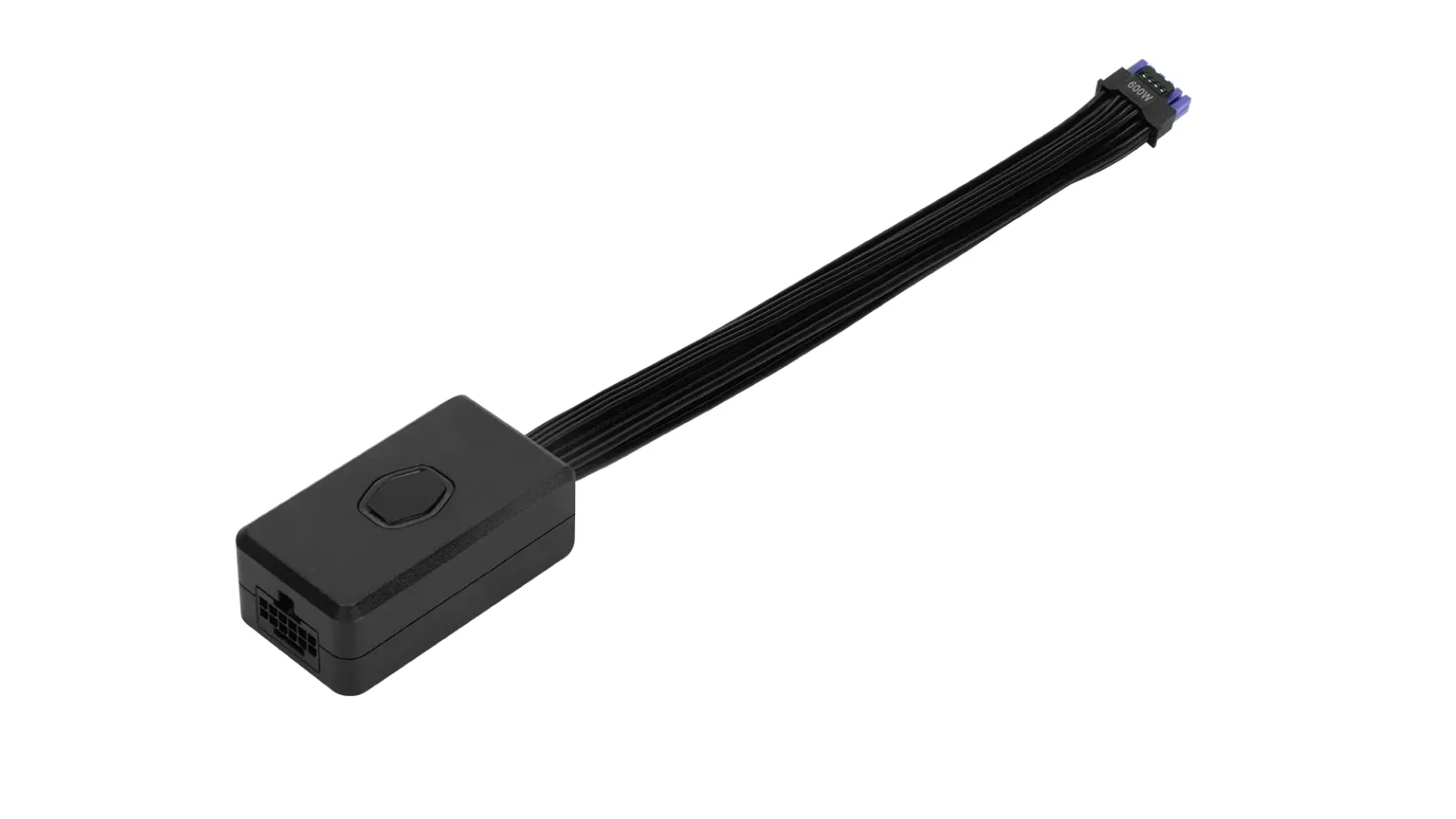
Cooler Master has officially launched the standalone GPU Shield adapter, a hardware safety device designed to protect high-power graphics card connectors from overheating and melting. Initially showcased to the public at the Consumer Electronics Show (CES), the product transitions from a proprietary integrated power supply feature into an accessible, universal accessory. Priced at $49.99 in the United States and select global markets, the adapter addresses a persistent hardware anxiety for modern PC builders utilizing high-end graphics processing units.
The introduction of the adapter comes at a critical time for the hardware community. Over the past several hardware generations, the adoption of power-hungry GPUs has driven the industry toward higher-wattage delivery standards. The release of the 12VHPWR connector—and its subsequent iterative evolution, the 12V-2×6 standard—was meant to streamline cable management by consolidating massive amounts of power into a single, slim profile. However, widespread reports of connector degradation, thermal runaway, and physical melting caused by incomplete seating or excessive resistance have plagued enthusiasts and system builders alike. Cooler Master’s new device aims to bridge the safety gap for users who own high-performance GPUs but lack power supply units equipped with native telemetry or cut-off protections.
Background and Evolution of the 12V-2×6 Standard
The vulnerability of modern high-power GPU connectors stems from the physics of delivering upwards of 450 to 600 watts of power through a remarkably compact physical interface. The original 12VHPWR connector standard, introduced alongside high-end architectural shifts in the GPU landscape, relied heavily on user precision. If a power cable was even fractionally unseated, the resulting high electrical resistance across the micro-pins generated intense localized heat. This thermal accumulation frequently surpassed the melting point of the plastic housing, destroying power supplies, cables, and expensive graphics cards in the process.
Responding to these engineering challenges, industry groups and hardware manufacturers refined the design into the 12V-2×6 (H+More) standard, which recessed the sense pins to ensure that power delivery could not initiate unless the plug was fully inserted. Despite these hardware-level improvements, human error, cable bending radius limitations, and varying degrees of manufacturing tolerances among third-party components continued to pose risks. Cooler Master initially sought to solve this by incorporating its proprietary "GPU Shield" telemetry and safety architecture directly into high-end power supply units. Recognizing that millions of active systems rely on older power supplies or units from competing brands, the company engineered the standalone adapter to democratize this crucial safety net.

Design, Mechanics, and Real-Time Telemetry
The Cooler Master GPU Shield adapter operates as an in-line intermediary device. It connects directly between the existing power supply cable and the 12V-2×6 or 12VHPWR receptacle on the graphics card. Measuring approximately 200 millimeters in cable length, the adapter is engineered to maintain flexibility, allowing it to fit comfortably within standard and compact PC chassis layouts without introducing excessive strain on the terminal ports.
At the core of the adapter’s functionality is an active monitoring system. The device continuously tracks electrical current, voltage stability, and pin-level resistance in real-time. To communicate potential hazards to the user before catastrophic damage occurs, the hardware utilizes a multi-colored LED indicator ring integrated into the housing. Furthermore, the connector ends feature distinct visual color cues to verify whether the cable has achieved complete and secure physical seating upon installation.
If the internal sensors detect anomalies such as abnormal current spikes, sudden voltage drops, or localized overheating precursors, the system initiates a multi-layered response protocol. First, an integrated audio alarm activates to alert the user of immediate danger. Simultaneously, the adapter’s internal logic interacts with the system to intelligently throttle or reduce power draw, mitigating the risk of thermal runaway and preventing structural damage to the graphics card and power cable.
Market Availability and Pricing Strategy
Following its initial prototype demonstration on the global trade show circuit, the GPU Shield adapter has officially rolled out to retail channels in the United States and select international regions, including China. Carrying an MSRP of $49.99—translating to roughly IDR 800,000 locally—the device occupies a unique market segment. Rather than serving as an aesthetic modification or a simple cable extension, it positions itself as an insurance policy for hardware investments worth thousands of dollars.
Industry analysts note that while $50 is a modest sum compared to the replacement cost of a flagship graphics card, consumer reception will depend heavily on verified stress-testing and long-term reliability metrics. Warranty terms accompanying the release indicate a standard one-year coverage period provided by Cooler Master, matching typical accessory warranties in the PC DIY sector while addressing consumer expectations regarding product durability.

Industry Implications and Technical Analysis
The release of standalone power-monitoring adapters reflects a broader maturation phase in high-performance computing hardware. As power consumption metrics for consumer graphics processors continue to hover near thermal and electrical thresholds, manufacturers are shifting focus from raw performance gains to operational stability and user safety.
Historically, safeguarding a PC against power delivery failures relied entirely on the internal protections of the power supply unit (PSU) or the motherboard’s power management integrated circuits (PMICs). By shifting intelligent monitoring directly to the point of failure—the GPU connection interface—Cooler Master’s adapter addresses the specific mechanical vulnerabilities that PSU-level protections often fail to catch. Because a PSU monitors the overall rail rather than the micro-resistance of an individual terminal pin inside a poorly seated connector, localized melting can occur before the power supply registers a fault.
By intercepting the connection at the point of entry, the GPU Shield provides a localized trip-wire mechanism. Technical experts suggest that this design philosophy could influence future industry standards, potentially pushing regulatory bodies or hardware consortia to mandate integrated telemetry directly onto graphics card pcbs or native power cables in upcoming generations. For current owners of high-wattage systems, devices like the Cooler Master GPU Shield offer a practical, brand-agnostic solution to one of the most persistent hardware challenges of the modern computing era.