Apple has officially unveiled the iPhone 18 Pro and iPhone 18 Pro Max, marking the latest iteration in its premium smartphone lineup. Announced during the company’s annual September keynote event, these devices represent a strategic refinement of the iPhone’s architecture, focusing heavily on computational power, thermal efficiency, and specialized optical hardware. While the exterior design maintains the familiar aesthetic established by recent predecessors, the internal engineering marks a significant leap in mobile processing capabilities and thermal management.
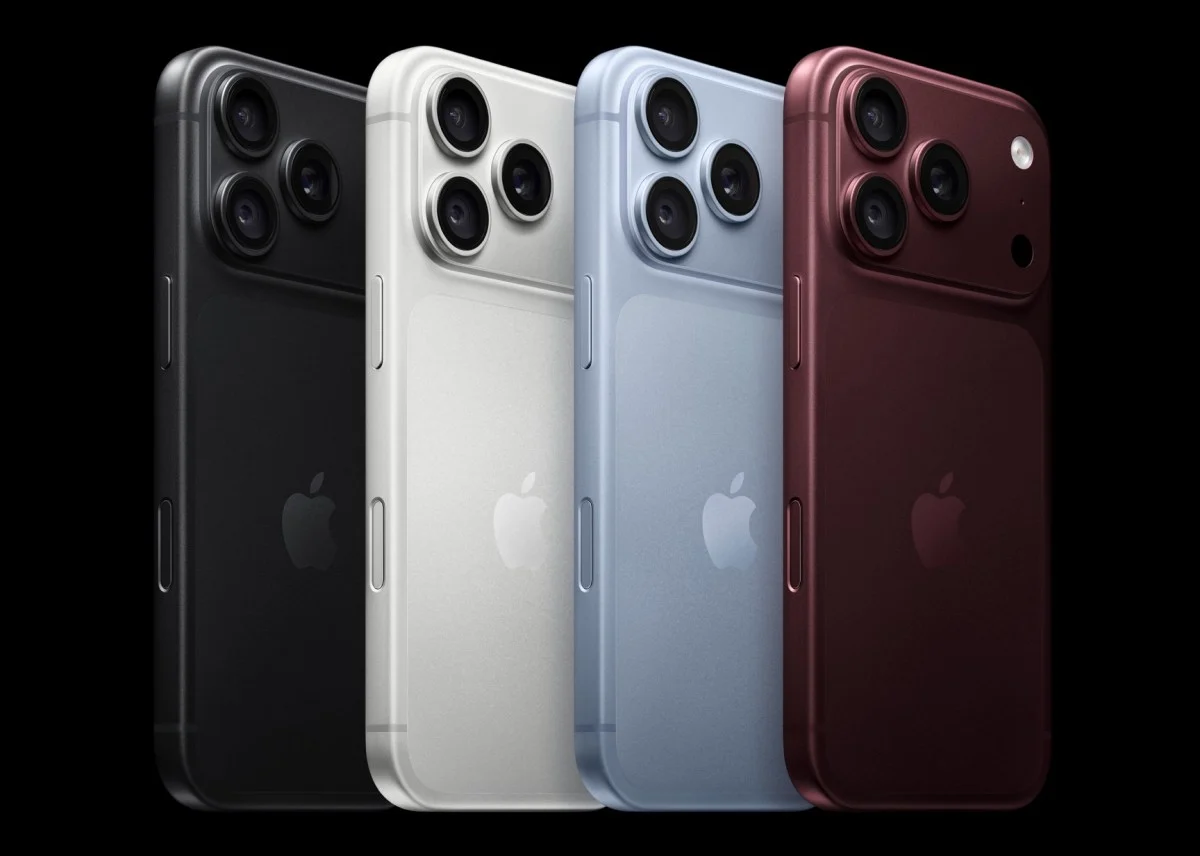
The launch, which took place on September 9, continues Apple’s tradition of setting the industry benchmark for hardware integration. Available in four distinct finishes—Burgundy, the new signature "hero" color, alongside Glacier Blue, classic Black, and Silver—the devices are positioned to satisfy both professional power users and high-end consumers.
Architectural Refinements and Display Technology
The iPhone 18 Pro and 18 Pro Max retain the display dimensions of 6.3 inches and 6.9 inches, respectively. Utilizing LTPO Super Retina XDR OLED technology, the screens offer consistent resolution, refresh rates, and brightness levels that align with previous generation standards. However, Apple has introduced a functional upgrade to the Dynamic Island interface. By reducing the physical footprint of the cutout, the UI now allows for the simultaneous display of up to three "Live Activities," enhancing multitasking for users who rely on the device for tracking transit, sports scores, or timer-based tasks in real-time.
The A20 Pro Chipset: A Leap in Computational Efficiency
The centerpiece of this year’s release is the A20 Pro chipset, manufactured on a 2nm process. This transition to smaller node architecture is critical, as it allows for increased transistor density without a proportional increase in power consumption.
Compared to the A19 Pro, the A20 Pro introduces a more robust configuration: an additional CPU core, a new GPU core, and a secondary Neural Engine. The 7-core GPU, in particular, is the highlight of the performance profile, boasting a 40% improvement in graphics processing speed. This enhancement is specifically targeted at high-fidelity mobile gaming and professional-grade video rendering.
Beyond raw speed, the Neural Engine architecture has been overhauled. Apple has moved to a dual-engine configuration, each housing 32 cores, which significantly boosts machine learning tasks—ranging from real-time photographic processing to on-device generative AI applications. Furthermore, the 50% increase in memory bandwidth ensures that the chipset can feed data to the GPU and Neural Engine with minimal latency, addressing the bottlenecks that often plague intensive mobile workflows.
Thermal Management and Sustained Performance
One of the most persistent challenges in high-performance mobile computing is thermal throttling. To mitigate this, Apple has integrated a third-generation vapor chamber cooling system. This component offers three times the surface area of the cooling solution found in the iPhone 17 Pro.
The engineering team has implemented a new silicon packaging design, directly inspired by the architecture of the M-series Mac chips. By connecting the silicon and memory modules directly to the vapor chamber, the heat is dissipated more efficiently across the chassis. This allows the A20 Pro to maintain peak clock speeds for longer durations, which is essential for sustained tasks such as 4K video editing, augmented reality (AR) applications, and high-frame-rate gaming.
Camera Innovation: The Aperture Variable System
Perhaps the most significant change in the photography suite is the introduction of a variable aperture system on the primary lens. While fixed-aperture lenses have long been the industry standard for smartphones, the ability to physically adjust the aperture allows users to control depth of field and light intake with greater precision.
By mimicking the physical mechanics of a traditional DSLR lens, the camera can transition between aperture settings to prioritize either low-light performance (wider aperture) or deep focus (narrower aperture). This development suggests that Apple is shifting its strategy from purely relying on software-based computational photography to combining hardware-level optical control with its advanced Image Signal Processor (ISP).
Historical Context and Development Timeline
The release of the iPhone 18 series follows a decade of iterative growth for Apple’s flagship devices. Following the transition to the Dynamic Island in 2022 (iPhone 14 Pro), Apple has spent the subsequent years optimizing the integration between hardware sensors and software overlays.
- 2024 (iPhone 16 Series): Introduction of focus on on-device AI and the dedicated Camera Control button.
- 2025 (iPhone 17 Series): Refinement of the chassis materials and battery density improvements.
- 2026 (iPhone 18 Series): Focus on 2nm silicon transition, thermal efficiency, and optical hardware versatility.
Industry analysts have noted that the iPhone 18’s focus on thermal management is a direct response to the increasing demands of generative AI models running locally on devices. As mobile apps become more computationally intensive, the need for a robust cooling infrastructure has become as important as the raw clock speed of the processor.
Industry Implications and Market Outlook
The market response to the iPhone 18 Pro is expected to be dictated by the tangible benefits of the A20 Pro chip in real-world scenarios. Tech analysts suggest that the 50% increase in memory bandwidth is the most critical update for enterprise and creative users.
"Apple is no longer just competing on core counts or megapixel counts," says an industry consultant familiar with the supply chain. "They are competing on the throughput of the entire system. The move to a 2nm process and the specific integration of the vapor chamber shows that they are preparing the iPhone to be a desktop-class machine in a pocketable form factor."
Furthermore, the introduction of a variable aperture lens may signal a shift in how Apple differentiates its "Pro" models from the standard iPhone lineup. By reserving this hardware for the Pro series, Apple continues to push a multi-tiered product strategy, encouraging users to opt for higher-priced models to access professional-grade creative tools.
Official Statements and Sustainability
Apple has maintained its commitment to environmental sustainability, emphasizing that the new silicon packaging and increased efficiency of the A20 Pro contribute to lower energy consumption during intensive operations. While Apple executives did not provide specific figures during the keynote regarding the exact percentage of recycled materials in the internal cooling assembly, the company reiterated its goal to be carbon neutral across its entire product lifecycle by 2030.
The launch also serves as a catalyst for the broader mobile ecosystem. Component suppliers, including those responsible for TSMC’s 2nm production and the advanced vapor chamber materials, are expected to see increased demand as the market pivots toward high-efficiency thermal designs.
Conclusion
The iPhone 18 Pro and Pro Max represent a methodical progression in smartphone technology. Rather than opting for radical, potentially unstable redesigns, Apple has opted for a "deep engineering" approach. By prioritizing the A20 Pro chip, a significantly improved thermal architecture, and a versatile variable aperture camera system, the company is positioning its latest flagships as essential tools for the next generation of mobile computing.
As these devices reach the hands of consumers, the focus will undoubtedly shift to how developers utilize the increased neural processing power and memory bandwidth. For now, the iPhone 18 Pro stands as a testament to Apple’s ongoing focus on high-performance integration, setting a high bar for the remainder of the smartphone industry. With pre-orders commencing immediately and retail availability scheduled for the following week, the global market awaits the real-world performance metrics that will ultimately define the success of this 2nm-powered generation.