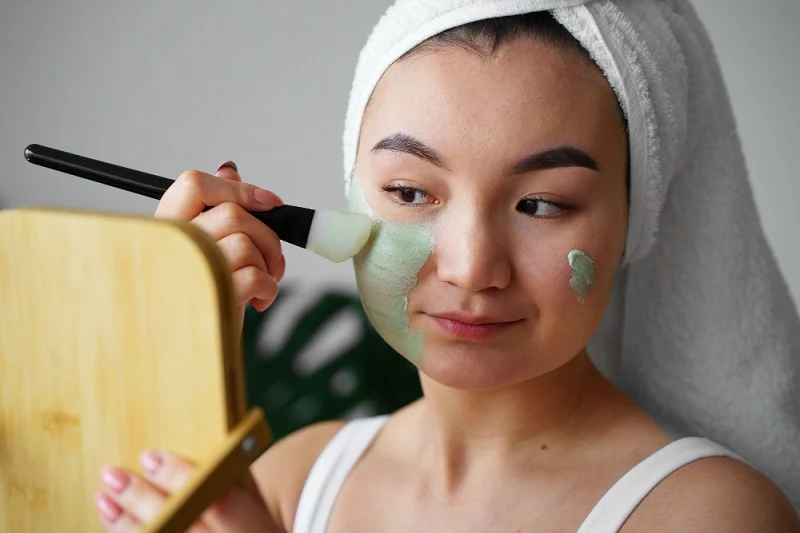
Bananas, a ubiquitous fruit celebrated for their rich potassium and fiber content, are increasingly being recognized for their therapeutic properties extending beyond culinary consumption. Emerging trends in at-home beauty treatments highlight the efficacy of banana-based face masks as a natural remedy for a spectrum of skin concerns, from hydration to anti-aging. This article delves into the science-backed benefits of incorporating bananas into skincare routines, exploring their nutritional profile and providing practical guidance for their application.
The Power of Silika and Essential Nutrients in Banana Skincare
At the forefront of banana’s skincare efficacy is its notable silica content. This trace mineral is widely believed to play a crucial role in boosting collagen production. Collagen, a fundamental protein in the human body, is instrumental in maintaining skin’s structural integrity, elasticity, and hydration. As individuals age, the natural production of collagen diminishes, leading to common signs of aging such as reduced skin firmness, the appearance of fine lines, and wrinkles. The silika present in bananas is thought to counteract this decline, promoting a more supple and youthful complexion.
Beyond silika, bananas are a veritable treasure trove of vitamins and minerals that contribute significantly to skin health. Key among these are:
- Potassium: Renowned for its hydrating properties, potassium helps to replenish moisture levels in the skin, combating dryness and flakiness. It also aids in regulating the skin’s natural oil balance, which can be beneficial for both dry and oily skin types.
- Vitamin B6: This essential vitamin plays a vital role in cellular repair and regeneration. It can assist in the healing of minor skin irritations and promote a smoother skin texture. Furthermore, Vitamin B6 is involved in the synthesis of neurotransmitters that influence mood, which can indirectly impact skin health by reducing stress-related breakouts.
- Vitamin C: A potent antioxidant, Vitamin C is crucial for protecting the skin from environmental damage caused by free radicals. It is also a key player in collagen synthesis, working synergistically with silika to enhance skin elasticity and firmness. Vitamin C can also help to brighten the complexion and reduce the appearance of dark spots and hyperpigmentation.
- Vitamin A: In its precursor form, beta-carotene, Vitamin A is essential for cell turnover and repair. It can contribute to a more even skin tone and texture, and its antioxidant properties help to protect against premature aging.
The synergy of these nutrients within a banana mask creates a potent, natural treatment that addresses multiple aspects of skin health. The fruit’s inherent moisturizing properties, attributed to its high water content and natural oils, further enhance its appeal as a skincare ingredient.
Scientific Perspectives on Natural Skincare
The burgeoning interest in DIY skincare, particularly those utilizing natural ingredients like bananas, is supported by a growing body of scientific literature exploring the dermatological benefits of plant-derived compounds. Research published in journals such as the Journal of Cosmetic Dermatology and the International Journal of Cosmetic Science has consistently demonstrated the efficacy of antioxidants, vitamins, and minerals found in fruits and vegetables for improving skin health.
A study published in the "Journal of Ethnopharmacology" explored the traditional uses of various fruits in skincare, noting the anti-inflammatory and antioxidant properties of banana extracts. While direct clinical trials specifically on banana face masks are limited, the individual components of bananas—vitamins, minerals, and antioxidants—have well-established roles in skin physiology.
The concept of "nutricosmetics," where beauty is addressed from within and without, further validates the approach of using nutrient-rich foods like bananas in topical applications. The skin, being the largest organ, readily absorbs beneficial compounds, making topical application a direct route to delivering these nutrients.
Historical Context of Natural Beauty Treatments
The practice of using natural ingredients for beauty and health is not new; it spans millennia and cultures. Ancient Egyptians utilized honey and milk for skin treatments, while traditional Chinese medicine has long incorporated herbal remedies for skin ailments. The "beauty secrets" of historical figures often involved simple, readily available natural resources. The resurgence of interest in these methods, often termed "traditional" or "folk" remedies, reflects a growing desire for authenticity and a departure from complex, chemically-laden commercial products. The banana face mask aligns with this historical trajectory, offering a simple, accessible, and natural approach to skincare.
Making Your Own Banana Face Mask: A Step-by-Step Guide
Creating a banana face mask at home is a straightforward and cost-effective process. The versatility of bananas allows for customization based on individual skin needs.
Basic Banana Face Mask for Hydration and Glow:
-
Ingredients:
- 1 ripe banana
- 1 tablespoon honey (preferably raw or Manuka honey for its antibacterial properties)
- Optional: 1 teaspoon plain yogurt (for added lactic acid to gently exfoliate)
-
Instructions:
- Mash the Banana: In a clean bowl, thoroughly mash a ripe banana until it forms a smooth paste with no large lumps. Overripe bananas are ideal as they are softer and easier to mash.
- Add Honey: Incorporate the honey into the mashed banana. Honey acts as a natural humectant, drawing moisture to the skin, and possesses antibacterial and anti-inflammatory properties.
- Incorporate Yogurt (Optional): If using yogurt, add it to the mixture. The lactic acid in yogurt can help to gently slough off dead skin cells, revealing brighter skin underneath.
- Mix Well: Stir all ingredients together until a uniform consistency is achieved.
- Prepare Your Skin: Cleanse your face thoroughly to remove any makeup, dirt, or oil. Pat your skin dry gently.
- Apply the Mask: Using clean fingertips or a soft brush, apply an even layer of the banana mask to your face, avoiding the delicate eye and lip areas.
- Relax: Leave the mask on for 15-20 minutes. This allows the nutrients to penetrate the skin.
- Rinse Off: Gently rinse the mask off with lukewarm water. You may find it helpful to use a soft washcloth to ensure all residue is removed.
- Follow Up: Pat your face dry and follow with your regular serum and moisturizer to lock in the hydration.
Variations for Specific Skin Concerns:
- For Oily/Acne-Prone Skin: Add a squeeze of lemon juice (caution: can increase sun sensitivity) or a few drops of tea tree oil to the basic mask. The citric acid in lemon can help to cleanse pores, while tea tree oil has potent antimicrobial properties.
- For Dry/Mature Skin: Incorporate a teaspoon of olive oil or almond oil for extra nourishment and emollience. A few drops of avocado oil can also be beneficial for its rich fatty acids.
- For Brightening: Add a teaspoon of turmeric powder (use sparingly as it can stain) to the basic mask. Turmeric is known for its anti-inflammatory and antioxidant properties and can help to reduce redness and improve skin radiance.
Important Considerations for DIY Skincare:
- Patch Test: Always perform a patch test on a small, inconspicuous area of your skin (e.g., behind the ear or on the inner forearm) 24 hours before applying any new DIY mask to your entire face. This helps to identify any potential allergic reactions or sensitivities.
- Ingredient Quality: Use fresh, high-quality ingredients to maximize benefits and minimize risks. Organic options are often preferred.
- Hygiene: Ensure all utensils, bowls, and your hands are clean before preparing and applying the mask to prevent the introduction of bacteria.
- Frequency: Generally, DIY face masks can be used 1-2 times per week, depending on your skin’s tolerance and the ingredients used. Overuse can sometimes lead to irritation.
- Sun Sensitivity: Be mindful of ingredients like lemon juice, which can make your skin more sensitive to the sun. Always use sunscreen diligently, especially after treatments involving acidic ingredients.
Expert Opinions and Dermatological Insights
Dermatologists generally acknowledge the potential benefits of natural ingredients for skincare, provided they are used appropriately and with caution. Dr. Anya Sharma, a board-certified dermatologist, comments, "While many natural ingredients like bananas offer beneficial vitamins and antioxidants, it’s crucial to understand that ‘natural’ doesn’t automatically equate to ‘safe for everyone.’ Individual skin types and sensitivities vary greatly. The efficacy of DIY masks often lies in their moisturizing and soothing properties, which are generally well-tolerated. However, for specific dermatological conditions, it’s always best to consult with a skincare professional."
Dr. Sharma further emphasizes the importance of realistic expectations. "While a banana mask can contribute to a healthier-looking complexion by providing hydration and essential nutrients, it’s not a miracle cure for severe skin issues like deep wrinkles, persistent acne, or significant hyperpigmentation. These often require targeted treatments prescribed by a dermatologist."
The role of silika, while promising in theory, requires further robust clinical investigation to quantify its specific impact on collagen synthesis when applied topically via a banana mask. Nevertheless, the overall nutrient profile of bananas supports their inclusion in a holistic skincare regimen.
Broader Implications and the Rise of the "Clean Beauty" Movement
The increasing popularity of DIY banana face masks is indicative of a larger shift in consumer preferences towards "clean beauty" and "sustainability." Consumers are actively seeking products and practices that are perceived as:
- Natural and Organic: A preference for ingredients sourced from nature, free from synthetic chemicals, parabens, sulfates, and artificial fragrances.
- Environmentally Conscious: A desire to reduce waste associated with product packaging and to support sustainable sourcing of ingredients.
- Cost-Effective: DIY solutions offer an economical alternative to expensive commercial skincare products.
- Empowering: The ability to create personalized skincare treatments at home provides a sense of control and empowerment over one’s beauty routine.
This trend has prompted many beauty brands to reformulate their products to include more natural ingredients and to adopt more sustainable practices. The DIY movement, exemplified by the banana face mask, serves as a powerful consumer-driven force shaping the future of the beauty industry.
Conclusion
The banana face mask, a simple yet effective DIY beauty treatment, leverages the inherent nutritional wealth of the fruit to promote healthier, more radiant skin. Rich in silika, potassium, and essential vitamins, bananas offer a natural pathway to enhanced hydration, improved skin texture, and a potential reduction in the signs of aging. While scientific validation for specific claims continues to evolve, the widespread anecdotal evidence and the growing consumer embrace of natural skincare solutions underscore the enduring appeal of this humble fruit in the pursuit of beauty and wellness. As the clean beauty movement gains momentum, traditional and accessible remedies like the banana face mask are poised to remain a cherished component of at-home skincare rituals worldwide.