JAKARTA, Indonesia – April 15, 2026 – In a development that has sent ripples through Indonesia’s automotive industry, the latest sales figures for March 2026 reveal a dramatic upset: electric vehicles (EVs) have captured the top spot in the nation’s best-selling car rankings, unseating the long-dominant internal combustion engine (ICE) models. This significant milestone marks a pivotal moment, indicating a profound shift in consumer preference towards greener transportation solutions and a growing acceptance of advanced automotive technology in the archipelago.
The data, released by the Indonesian Automotive Industry Association (Gaikindo), shows that total wholesale vehicle sales in March 2026 reached 61,271 units. This figure represents a substantial decline of 24.6% compared to the 81,250 units recorded in February, a slowdown that, while concerning for overall market volume, underscores the disruptive emergence of EVs.
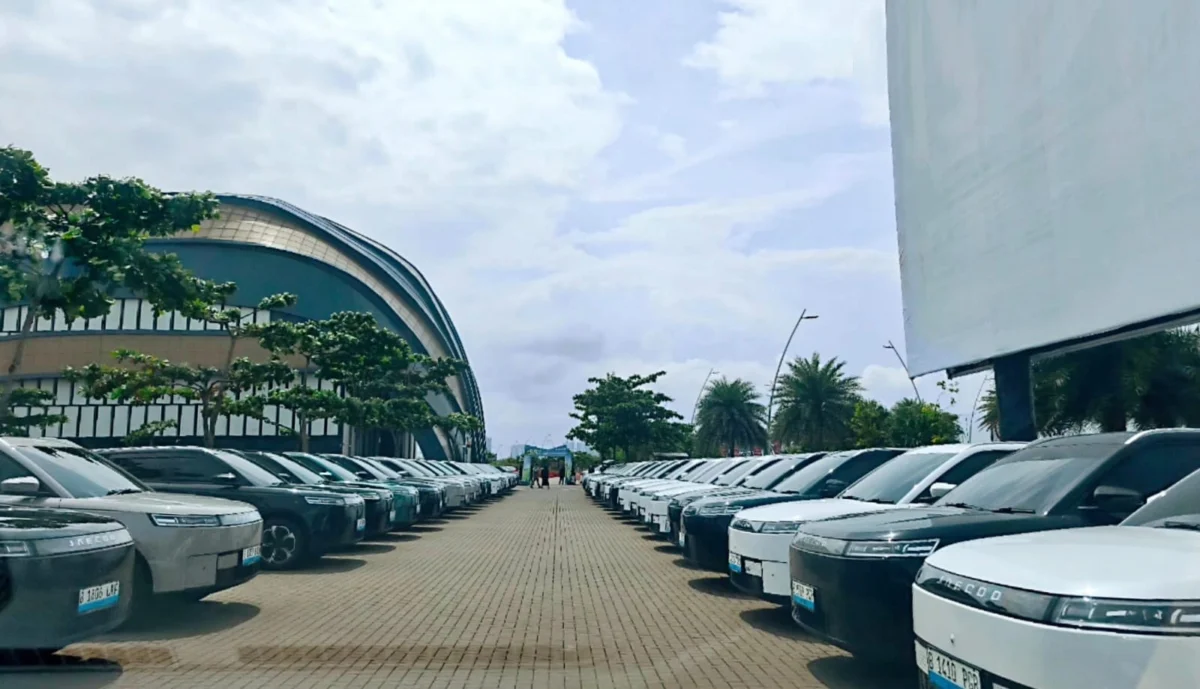
Leading the charge and claiming the coveted number one position is the Jaecoo J5 EV, with an impressive distribution of 2,959 units. This remarkable achievement for an electric model directly challenges the established order and provides a clear signal that Indonesian consumers are increasingly embracing electric mobility. The success of the Jaecoo J5 EV is not merely a statistical anomaly; it reflects a growing awareness of environmental concerns, coupled with advancements in EV technology that are making these vehicles more accessible and appealing to a wider demographic.
A Shifting Landscape: The Rise of Electric Mobility
The dominance of the Jaecoo J5 EV is a testament to several factors. Firstly, the Indonesian government has been actively promoting the adoption of electric vehicles through various incentives, including tax breaks and subsidies for charging infrastructure. These policies, implemented over the past few years, have created a more conducive environment for EV manufacturers and consumers alike. Secondly, global trends in automotive innovation have heavily favored electrification, leading to more sophisticated and desirable EV models entering the market. The Jaecoo J5 EV, with its reported blend of advanced technology, competitive pricing, and practical range, appears to have successfully tapped into this evolving consumer demand.
This shift towards EVs is also supported by a growing charging infrastructure network across major Indonesian cities. While still nascent compared to more developed markets, the increasing availability of charging stations is alleviating range anxiety, a significant barrier for early EV adoption. Furthermore, rising fuel prices for conventional vehicles, coupled with the lower running costs of EVs (electricity is often cheaper than gasoline, and EVs require less maintenance), make electric options increasingly attractive from an economic standpoint.
Conventional Powerhouses Hold Their Ground, But Face New Competition
Despite the electrifying ascent of the Jaecoo J5 EV, traditional stalwarts of the Indonesian automotive market continue to demonstrate their enduring appeal. The second and third positions are occupied by perennial family favorites from Toyota: the Toyota Avanza, with 2,366 units sold, and the Toyota Veloz, with 2,325 units. These models have long been the backbone of Indonesia’s automotive sales, prized for their reliability, practicality, and affordability – qualities that resonate deeply with Indonesian households. Their continued strong performance indicates that while the EV revolution is underway, the established ICE models still hold significant sway, particularly in segments where practicality and value for money are paramount.
Following closely are the Toyota Rush in fourth place with 2,252 units, and the Toyota Innova Zenix in fifth place, achieving 2,184 units. The presence of these models in the top five reinforces the strong consumer preference for Multi-Purpose Vehicles (MPVs) and Sport Utility Vehicles (SUVs) in the domestic market. These vehicle types offer the space, versatility, and higher driving position that are highly valued by Indonesian families and individuals.
Broader Market Context: A Slowdown Amidst Transformation
The overall dip in sales for March 2026, as indicated by Gaikindo’s data, warrants closer examination. While the rise of EVs is a significant factor, other market dynamics are likely contributing to the slowdown. Seasonal factors, such as the period following the Idul Fitri holiday rush in the previous month, often see a dip in consumer spending. Furthermore, global economic uncertainties and fluctuations in commodity prices can impact consumer confidence and purchasing power.
However, the stark contrast between the overall market decline and the surge of a specific EV model suggests a deeper, structural change. It’s not just a temporary lull; it’s a reallocation of consumer interest and spending towards a new category of vehicles. This phenomenon is not unique to Indonesia; similar trends are being observed globally as the automotive industry navigates the transition away from fossil fuels.
Analysis and Implications: A New Era for Indonesian Automotive

The emergence of the Jaecoo J5 EV at the pinnacle of sales charts has profound implications for the Indonesian automotive landscape:
- Accelerated EV Adoption: This sales success will likely embolden other EV manufacturers to introduce more models and invest further in the Indonesian market. It could also spur local production and assembly of EVs, creating new jobs and economic opportunities.
- Infrastructure Development: The increased demand for EVs will necessitate a significant expansion of charging infrastructure. This presents an opportunity for energy companies, technology providers, and government agencies to collaborate on building a robust and widespread charging network.
- Traditional Manufacturers’ Strategy: Established automakers like Toyota, while still strong, will need to accelerate their own EV strategies to remain competitive. Their strong performance in the ICE segment might provide a buffer, but a failure to adapt could lead to a loss of market share in the long run.
- Consumer Education and Awareness: While adoption is rising, continued efforts in consumer education will be crucial to address any lingering concerns about EV technology, battery life, and maintenance.
- Environmental Impact: A sustained shift towards EVs has the potential to significantly reduce air pollution in urban centers and contribute to Indonesia’s climate change mitigation goals.
Looking Ahead: The Road to Electrification
The March 2026 sales figures serve as a powerful indicator of Indonesia’s automotive future. The reign of the internal combustion engine is being challenged by the quiet hum of electric motors. While the transition will undoubtedly involve complexities and adjustments, the clear victory of the Jaecoo J5 EV is a strong signal that the era of electric mobility has not just arrived in Indonesia, but is poised to lead the way. The industry, consumers, and policymakers will be closely watching to see how this trend evolves in the coming months and years, and how Indonesia navigates its path towards a more sustainable automotive future.
The broader context of the Indonesian automotive market in early 2026 was one of cautious optimism mixed with underlying challenges. Following a period of strong recovery in 2025, sales in the first quarter of 2026 had shown signs of moderating. The significant drop in March wholesale figures, from 81,250 units in February to 61,271 in March, underscores this trend. This decline, representing a substantial 24.6% month-on-month decrease, suggests a recalibration of market demand after a potentially strong preceding period, possibly influenced by pre-holiday buying patterns in February or a broader economic slowdown impacting discretionary spending.
This market slowdown provides a compelling backdrop for the disruptive success of the Jaecoo J5 EV. In a contracting market, its ability to not only maintain but to secure the top sales position is a remarkable feat. It suggests that the EV segment is drawing demand away from traditional categories, rather than simply capturing a larger share of a growing market. This is a critical distinction that signals a fundamental shift in consumer preferences, moving beyond mere incremental improvements in fuel efficiency or performance for ICE vehicles.
The data from Gaikindo, the primary industry body for vehicle manufacturers in Indonesia, is considered the most authoritative source for wholesale sales figures. These figures represent the number of vehicles shipped from factories to dealerships, serving as a direct indicator of market demand and manufacturer output. The consistency of Gaikindo’s reporting ensures that the trends observed are based on reliable industry-wide data.
While the article highlights the top five models, the complete list of the top 20 best-selling cars in March 2026 would provide a more comprehensive picture of the market’s composition. However, the dominance of the Jaecoo J5 EV at the very top, followed by established ICE models, clearly illustrates the evolving competitive landscape. The continued strength of models like the Toyota Avanza and Veloz, known for their practicality and affordability in the MPV segment, indicates that while electrification is gaining traction, traditional segments that cater to the needs of a vast population remain significant.

The success of models like the Toyota Rush and Innova Zenix further emphasizes the enduring popularity of SUVs and larger MPVs. These vehicles are often favored for their ability to accommodate larger families, navigate varied road conditions, and provide a sense of robustness and utility. Their strong showing suggests that for a significant portion of the Indonesian consumer base, these attributes continue to outweigh the immediate benefits of electric propulsion, or that the current EV offerings in these larger segments are not yet as compelling or accessible.
The mention of related news articles, such as "Cium Kaki Ibu, Viral Aldi Taher Beri Hadiah Mobil Listrik untuk Adik Perempuan" and "Euforia di Awal Tahun Penjualan Mobil pada Maret 2026 Ambruk Ini Penyebabnya," adds layers to the narrative. The former highlights the increasing social visibility and desirability of EVs, even in celebrity endorsements, potentially influencing consumer perception. The latter directly addresses the overall market slowdown, suggesting that the top-heavy performance of a single EV model is occurring within a challenging broader market environment. This interplay between individual product success and overall market dynamics is a key aspect of understanding the current automotive trends in Indonesia.
The implications of this shift extend beyond sales figures. It signals a potential reshaping of the automotive supply chain in Indonesia. Manufacturers will likely need to invest in new technologies, retrain their workforces, and adapt their production lines to accommodate EV manufacturing. Suppliers of components, such as batteries, electric motors, and charging systems, will see increased demand, while those focused on traditional engine and transmission parts may face a gradual decline. This transition requires strategic planning and significant investment from all stakeholders.
Furthermore, the rise of EVs will undoubtedly impact related industries, such as the automotive repair and maintenance sector. Mechanics will need to acquire new skills to service electric powertrains, and specialized equipment will be required. The energy sector will also play a crucial role, ensuring that the electricity grid can support a substantial increase in EV charging demand, and exploring cleaner energy sources to maximize the environmental benefits of electrification. The Indonesian government’s commitment to developing a robust EV ecosystem, from manufacturing incentives to charging infrastructure, will be paramount in facilitating this transition smoothly and effectively.