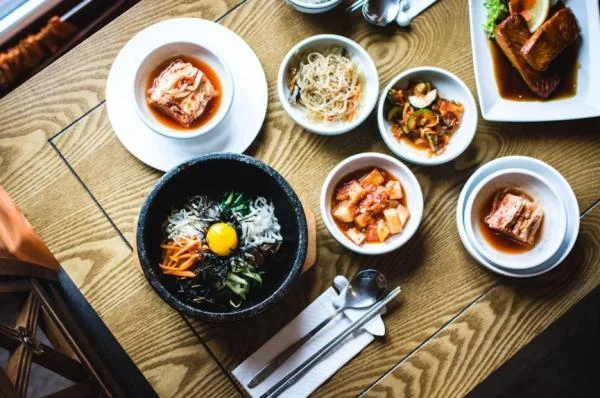
South Korea has firmly established itself as a premier global destination, with its culinary landscape serving as a primary catalyst for international tourism, particularly among Indonesian travelers. The allure of Korean cuisine, or "K-food," transcends simple sustenance, offering a sensory journey that spans from ancient royal court traditions to the vibrant, neon-lit energy of modern street food markets. For many Indonesians, the familiarity of spicy, savory, and fermented flavors found in Korean dishes creates a bridge between the two cultures, making the Republic of Korea not just a travel destination, but a gastronomic pilgrimage. As the "Korean Wave" or Hallyu continues to sweep across the globe, the South Korean government and tourism boards have significantly ramped up efforts to accommodate the influx of visitors, ensuring that the dining experience is accessible, diverse, and inclusive of various dietary requirements.
The Foundation of Korean Flavor: Essential Dishes for Every Palate
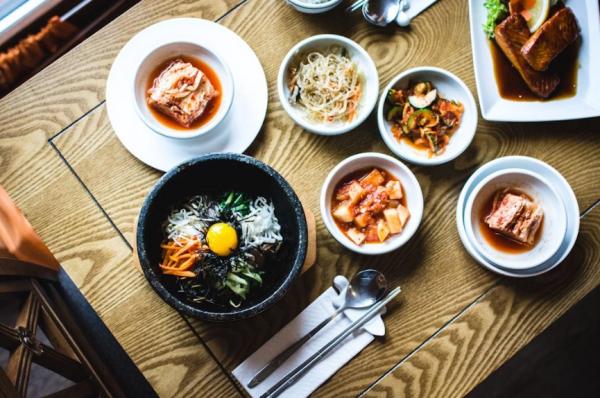
To truly understand the Korean dining experience, one must delve into the staple dishes that define the nation’s identity. For the uninitiated, Bibimbap serves as the quintessential introduction. This "mixed rice" dish is a masterpiece of balance and nutrition, typically served in a dolsot (hot stone bowl). It combines steamed rice with an array of sautéed vegetables (namul), a protein—usually beef or a fried egg—and a generous dollop of gochujang (red chili paste). Beyond its taste, Bibimbap carries deep cultural significance, historically symbolizing the harmony of various elements coming together.
For those who prefer grilled delights, Bulgogi and Galbi are the crown jewels of Korean barbecue (K-BBQ). Bulgogi consists of thinly sliced beef marinated in a mixture of soy sauce, sugar, sesame oil, and pear juice, which tenderizes the meat and adds a distinct sweetness. Galbi, or marinated short ribs, offers a richer, heartier experience. These dishes are often enjoyed "Ssam" style, where the meat is wrapped in lettuce or perilla leaves with garlic and ssamjang (a thick, spicy paste), creating a communal dining atmosphere that is central to Korean social life.
The Indonesian palate, which often favors heat and bold spices, finds a natural companion in Korean stews. Kimchi-jjigae (kimchi stew) and Sundubu-jjigae (soft tofu stew) are staples in Korean households and restaurants alike. Kimchi-jjigae utilizes aged, fermented kimchi to create a sour and spicy broth that is deeply comforting, while Sundubu-jjigae offers a silky texture with the addition of uncurdled tofu and often seafood or pork. These stews are almost always accompanied by banchan, an assortment of small side dishes ranging from pickled radish to seasoned spinach, which are provided free of charge and are refillable in most traditional establishments.
The Evolution of Korean Street Food: From Markets to Global Icons
The street food culture of South Korea, known as bunsik, is an integral part of the urban fabric. It provides a window into the fast-paced yet tradition-bound life of cities like Seoul and Busan. Historically, street food stalls, or pojangmacha, emerged as affordable eating options for workers during the country’s rapid industrialization in the mid-20th century. Today, they have evolved into major tourist attractions.
Tteokbokki, chewy cylindrical rice cakes simmered in a thick, spicy gochujang sauce, remains the undisputed king of the street food scene. It is frequently paired with twigim (assorted deep-fried snacks) and odeng (fish cakes served on skewers in a light broth). In colder months, the scent of hotteok—sweet pancakes filled with brown sugar, cinnamon, and chopped nuts—wafts through the streets, offering a warm reprieve for passersby.
For a more organized exploration, traditional markets like Gwangjang Market in Seoul offer a concentrated experience of authentic flavors. Gwangjang is famous for its mayak gimbap (addictive mini seaweed rice rolls) and bindaetteok (savory mung bean pancakes). Meanwhile, the Myeongdong shopping district has transformed into a modern street food theater, where vendors experiment with innovative snacks like grilled lobster tails, cheese-topped scallops, and "tornado" potatoes to cater to a younger, international crowd.
Data and Trends: The Economic Power of K-Food
The surge in culinary tourism is backed by significant data. According to the Korea Tourism Organization (KTO), culinary experiences consistently rank among the top three reasons international tourists visit the country. For Indonesian tourists specifically, the numbers have shown a remarkable recovery and growth trend following the pandemic. In 2023, the number of Indonesian visitors to South Korea surged, fueled by eased visa regulations and an increased frequency of direct flights between Jakarta and Seoul.
Furthermore, the Ministry of Agriculture, Food and Rural Affairs (MAFRA) reported that South Korea’s agri-food exports reached a record high of approximately $9 billion in recent years. This global demand for Korean ingredients—ranging from instant noodles (ramyeon) to kimchi—acts as a "soft power" tool, enticing consumers to visit the source of these flavors. The "Mukbang" phenomenon (online eating broadcasts) and the frequent depiction of food in K-Dramas have created a subconscious "to-eat" list for travelers long before they even step foot on a plane.
Official Initiatives and the Expansion of Muslim-Friendly Options
Recognizing the immense potential of the Southeast Asian market, particularly Indonesia—the world’s most populous Muslim-majority nation—the South Korean government has taken proactive steps to make its culinary scene more "Muslim-friendly." The KTO has implemented a "Muslim-friendly Restaurant Classification" system, which categorizes establishments into four levels:
- Halal Certified: Restaurants certified by the Korea Muslim Federation (KMF).
- Self-Certified: Restaurants that certify themselves as Halal-compliant.
- Muslim-Friendly: Establishments that offer Halal dishes but may serve alcohol.
- Pork-Free: Restaurants that do not use pork but may not have specific Halal meat.
The Itaewon district in Seoul, home to the Seoul Central Masjid, remains the primary hub for Halal dining, offering everything from Halal-certified Korean BBQ to Middle Eastern and Indian cuisines. However, the availability of these options is spreading to other major tourist areas like Hongdae, Gangnam, and even the resort island of Jeju. Furthermore, many traditional Korean dishes are naturally "Muslim-friendly" or can be easily adapted, such as seafood-based stews, vegetable bibimbap, and various grilled fish dishes (saengseon-gui).

Analysis of Implications: Beyond the Plate
The focus on culinary tourism represents a strategic shift in South Korea’s economic and cultural diplomacy. By promoting its food, South Korea is not just selling a product; it is selling a lifestyle and a set of values centered on health, community, and tradition. For Indonesia, this trend has led to a proliferation of Korean businesses within its own borders. The rise of Korean grocery chains and franchises in major Indonesian cities like Jakarta, Surabaya, and Bandung has created a feedback loop where local familiarity with the food drives further tourism to Korea.
Moreover, the "Halalization" of Korean food is a significant development in global trade. It demonstrates a sophisticated level of cultural adaptability. When South Korean companies invest in Halal certification for their gochujang or ramyeon, they are acknowledging the importance of the Islamic economy, which is one of the fastest-growing sectors globally. This pragmatic approach ensures that South Korea remains a competitive destination in an increasingly globalized world.
Chronology of the K-Food Phenomenon
The journey of Korean food from a local secret to a global trend can be traced through several key milestones:
- The 1990s: The early "Hallyu 1.0" saw the export of K-Dramas like "Dae Jang Geum" (Jewel in the Palace), which focused on royal court cuisine and sparked initial interest in Korean cooking across Asia.
- The 2010s: The explosion of social media and YouTube gave rise to "Mukbang" and the "Fire Noodle Challenge," making Korean food a viral sensation among Gen Z and Millennials.
- The 2020s: Post-pandemic tourism has shifted toward "experiential travel," where tourists seek out cooking classes, temple food stays, and farm-to-table experiences in the Korean countryside.
Conclusion and Future Outlook
As South Korea continues to refine its tourism infrastructure, the intersection of food and culture will remain its greatest asset. For the Indonesian traveler, the message is clear: South Korea is ready to welcome you with a table full of diverse, flavorful, and inclusive options. Whether it is a bowl of steaming jjigae on a snowy Seoul night or a quick skewer of tteokbokki in a bustling market, the Korean culinary experience offers more than just a meal—it offers a connection to a culture that prides itself on hospitality and the joy of sharing food. As bilateral ties between Indonesia and South Korea strengthen through trade and cultural exchange, the "food bridge" between the two nations is expected to grow even stronger, promising a future of shared flavors and mutual prosperity.