South Korea has firmly established itself as one of the premier outbound travel destinations for global tourists, particularly drawing significant numbers of visitors from Southeast Asia, including Indonesia. This remarkable surge in tourism is largely propelled by the explosive global phenomenon of the Korean Wave, widely known as Hallyu. The worldwide popularity of Korean dramas (K-dramas), K-pop music, and lifestyle content has successfully transformed everyday urban streets, cultural alleys, and modern architectural marvels into iconic tourist landmarks. For travelers seeking to step directly into the cinematic backdrops of their favorite television series, South Korea offers an array of meticulously preserved historical sites and hyper-modern urban landscapes that capture the exact aesthetic seen on screen.
The Socio-Cultural Phenomenon of K-Drama Tourism
The intersection of entertainment media and the tourism industry has created a lucrative niche market often referred to as "location tourism" or film tourism. According to data compiled by the Korea Tourism Organization (KTO), a substantial percentage of international arrivals cite Korean television programs as the primary motivation for their trip. The meticulous cinematography, emotional resonance, and visually striking locations featured in these productions generate an immediate psychological appeal among viewers.
When tourists visit these real-world locations, they are not merely sightseeing; they are actively engaging with a narrative culture they have consumed digitally for years. This trend has prompted local municipalities and national tourism boards to heavily invest in infrastructure, multilingual signage, and urban beautification projects around popular filming sites, ensuring an accessible and immersive experience for foreign visitors.
Immersive Urban Landscapes: Geonbae and the Modern Metropolitan Vibe
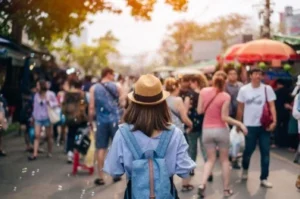
For travelers whose cinematic preferences lean toward fast-paced urban lifestyles, neon-lit nights, and modern metropolitan drama sequences, districts like Geonbae offer an authentic slice of contemporary South Korean city life. Characterized by vibrant streets flanked by an eclectic mix of contemporary bars, trendy pubs, and late-night eateries, Geonbae encapsulates the high-energy pulse of South Korea’s nightlife economy.

Historically, these entertainment districts evolved rapidly alongside the nation’s post-war economic development, eventually transforming into sophisticated hubs of social interaction and leisure. The area maintains a high volume of foot traffic well into the early morning hours, serving as a melting pot where locals and international tourists converge. Urban planning experts note that such entertainment districts play a vital role in stimulating the local service sector, driving significant revenue for small and medium-sized hospitality enterprises. Visitors walking down these illuminated corridors often experience the palpable atmosphere reminiscent of pivotal emotional turning points frequently depicted in modern romance and corporate-themed K-dramas.
Daehakro: The Artistic Heartbeat and Cultural Broadway of Seoul
Moving from commercial nightlife to institutional arts, Daehakro stands as Seoul’s premier cultural corridor, stretching approximately 1.6 kilometers through the Jongno-gu district. Often dubbed the "Broadway of South Korea," Daehakro boasts a rich historical lineage deeply intertwined with the nation’s modern theater and performing arts movement.
The timeline of Daehakro dates back to the relocation of Seoul National University’s main campus in the 1970s. Following the university’s move, the area gradually reinvented itself as a vibrant sanctuary for creative expression, independent theater troupes, and avant-garde artists. Today, the street is densely populated with dozens of operational theaters, live music venues, public art installations, and open-air performance spaces.
Cultural analysts emphasize that Daehakro serves as a vital incubator for native South Korean theatrical talent, hosting everything from traditional pansori performances to contemporary experimental musicals. For international travelers, visiting Daehakro provides a profound appreciation for South Korea’s dedication to cultural preservation and artistic innovation, offering a stark yet complementary contrast to the nation’s hyper-digitalized pop culture landscape.
Starfield Library: Architectural Grandeur and the Evolution of Public Spaces
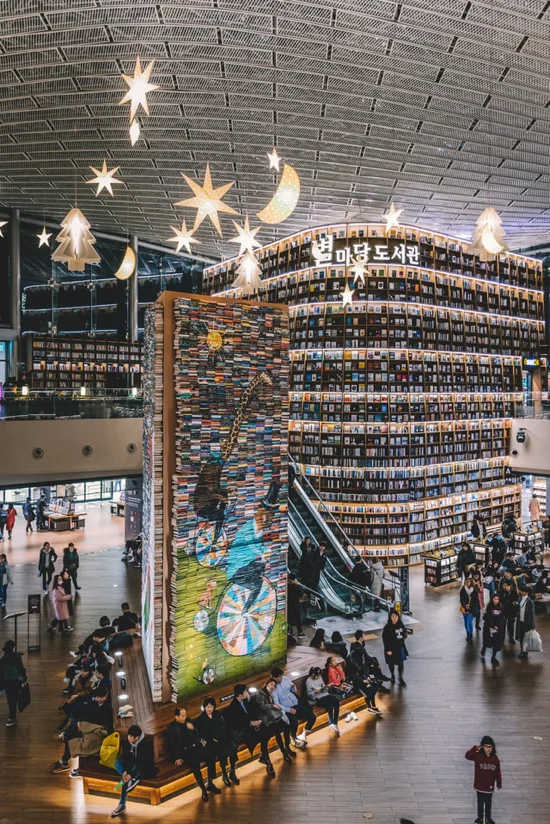
In the realm of contemporary interior design and public intellectual hubs, the Starfield Library in Gangnam, Seoul, represents a masterclass in modern architectural engineering. Located at the heart of the COEX Mall, this expansive open-plan public library redefines the traditional concept of quiet, sequestered reading rooms by integrating literature directly into a bustling commercial environment.

The defining architectural feature of the Starfield Library is its colossal, soaring bookshelves that reach an impressive height of 13 meters. Housing hundreds of thousands of books, academic journals, and comprehensive digital archives, the facility has quickly become one of the most photographed locations in the South Korean capital. The towering wooden structures, illuminated by natural sunlight filtering through a massive glass ceiling lattice, create a breathtaking visual symmetry that frequently attracts directors scouting for sophisticated urban backdrops.
From an urban development perspective, the integration of a massive cultural amenity within a commercial shopping complex reflects a broader architectural shift in Seoul toward multi-functional public spaces. City planners designed the Starfield Library not merely as a storage facility for texts, but as an intellectual town square where citizens and tourists can congregate, attend lectures, and engage with literature in an accessible, visually stimulating environment.
Economic Implications and Future Outlook of South Korean Tourism
The sustained influx of international tourists visiting sites like Geonbae, Daehakro, and the Starfield Library generates profound economic implications for South Korea’s service-oriented economy. Tourism analytics indicate that experiential travel—where visitors actively participate in local culture, cuisine, and media-inspired sightseeing—yields higher per-capita spending compared to traditional mass tourism.
Industry stakeholders and travel economists project that as global travel restrictions continue to remain entirely lifted and international mobility normalizes, South Korea will likely surpass pre-pandemic tourism benchmarks. The continuous global expansion of the Hallyu wave ensures a steady pipeline of prospective visitors eager to validate their digital media consumption with tangible physical experiences.
Ultimately, these diverse destinations—ranging from the kinetic nightlife of modern entertainment corridors to the intellectual elegance of architectural libraries—demonstrate South Korea’s unique capability to harmonize its rich historical traditions with cutting-edge modernity. For travelers planning an itinerary to the East Asian nation, curating a journey through these iconic cultural landscapes promises a comprehensive, visually stunning, and deeply engaging travel experience.