Jakarta, Indonesia — In a significant operational reshuffle aimed at bolstering internal governance and optimizing law enforcement capabilities, the Chief of the Indonesian National Police (Kapolri), General Suyudi Ario Seto, has officially appointed 32 high-ranking and mid-ranking police officers to strategic positions within the Indonesian National Police Criminal Investigation Agency, commonly known as Bareskrim Polri.
The comprehensive restructuring involves a diverse mix of leadership ranks, reflecting a deliberate effort to blend seasoned supervisory oversight with dynamic tactical execution. The newly assigned contingent comprises 1 Inspector General (Irjen Pol), 3 Brigadier Generals (Brigjen Pol), 24 Senior Superintendents (Kombes Pol), and 4 Superintendents (AKBP). This strategic alignment is designed to address increasingly sophisticated criminal networks, transnational offenses, cybercrimes, and complex financial frauds that continue to challenge national security and economic stability.
Comprehensive Scope of the National Police Mutation
The localized assignments to Bareskrim Polri form a vital component of a much broader, nationwide structural refreshment initiative. This overarching mandate encompasses the rotation and mutation of 264 High-Ranking Officers (Pati) and Mid-Ranking Officers (Pamen) across various regional police commands, educational institutions, and specialized divisions throughout the archipelago.
The legal and administrative foundation for these sweeping changes is formally outlined in the official Telegram Letter issued by the National Police Chief, documented under reference number ST/2467/XI/KEP./2026, dated November 2, 2026. This directive signals a strategic pivot by the leadership to ensure that institutional readiness matches the evolving socio-legal landscape of the country.
Rotations and mutations of this scale are standard administrative procedures within the Indonesian National Police (Polri). They serve multiple institutional objectives: preventing administrative stagnation, rewarding career progression, optimizing human resource deployment, and preparing the organization for upcoming security demands, such as major national events, transnational crime trends, and legislative enforcement priorities.
Official Rationale and Institutional Perspective
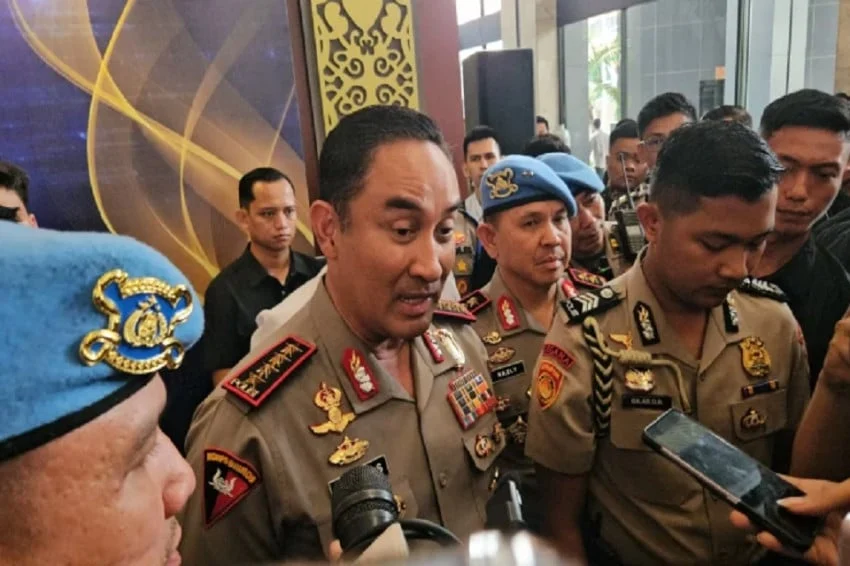
Addressing the press in Jakarta, the Head of the Public Relations Division of the Indonesian National Police, Inspector General Johnny Eddizon Isir, emphasized that the recent wave of mutations is a routine yet essential mechanism for organizational health. He noted that continuous adaptation is mandatory for a modern law enforcement agency operating in an era marked by rapid technological advancements and increasingly complex criminal methodologies.
"This organizational adjustment is a completely normal procedure within the structural framework of the National Police," Irjen Pol Johnny Eddizon Isir stated in his briefing. "The primary objective is to maintain organizational continuity, ensure sustainable leadership pipelines, and drastically elevate the overall effectiveness of police operations as we face continuous and dynamic operational challenges."
Furthermore, Isir highlighted that the strategic placement of experienced personnel in critical divisions like Bareskrim Polri acts as an institutional refresher. It guarantees that the command chain remains robust, agile, and fully capable of executing complex investigations without administrative bottlenecks.
"This serves as an essential organizational refreshment effort to guarantee that the wheels of leadership and the execution of core duties continue to run optimally, perfectly aligned with the escalating complexity of police operational challenges in the modern era," Isir added.
Detailed Breakdown of Key Structural Assignments
While the comprehensive telegram covers hundreds of personnel across the nation, the specific appointments directed toward Bareskrim Polri highlight a meticulous selection process. The newly assigned officers bring specialized expertise in narcotics control, financial crimes, cyber investigations, and regulatory compliance.
Among the prominent changes within the high-ranking and senior officer tiers are the following strategic placements:
-
Inspector General (Irjen Pol) Krisno Halomoan Siregar
- Previous Position: High-Ranking Officer (Pati) assigned to Bareskrim Polri
- New Position: Principal Policy Analyst for Narcotics Crimes (Pidnarkoba) at Bareskrim Polri
- Context: This reassignment places a highly experienced senior general at the core of analytical policymaking concerning national and international narcotics trafficking, ensuring that enforcement strategies are backed by robust intelligence frameworks.
-
Brigadier General (Brigjen Pol) Johanes R Manalu
- Previous Position: Principal Police Lecturer, Tier II, at the Police Staff and Leadership College (STIK Lemdiklat Polri)
- New Position: Principal Criminal Investigator, Tier II, at Bareskrim Polri
- Context: Shifting from academic leadership to active investigative command, Brigjen Pol Manalu brings educational rigor and theoretical mastery directly to operational casework.
-
Brigadier General (Brigjen Pol) Muhammad Firman
- Previous Position: Principal Police Instructor, Tier II, at the National Police Staff and Command School (Sespim Lemdiklat Polri)
- New Position: Principal Criminal Investigator, Tier II, at Bareskrim Polri
- Context: Similar to Manalu, Firman transitions from training the next generation of police leaders to handling high-stakes criminal investigations on the national stage.
-
Brigadier General (Brigjen Pol) Tommy Aria Dwianto
- Previous Position: Principal Policy Analyst for NCB/Interpol at the International Relations Division (Divhubinter Polri)
- New Position: High-Ranking Officer (Pati) at Bareskrim Polri, specifically assigned to the National Narcotics Board (BNN)
- Context: This cross-agency assignment strengthens inter-institutional cooperation between Bareskrim and the BNN, leveraging Interpol experience to tackle cross-border drug syndicates.
-
Senior Superintendent (Kombes Pol) Riky Haznul
- Previous Position: Head of Case Administration Bureau for Investigation Supervision (Kabagmindik Rowassidik) at Bareskrim Polri
- New Position: Head of the Civil Servant Investigators Supervisory Coordination Bureau (Karokorwas PPNS) at Bareskrim Polri
- Context: A promotion in responsibility, Kombes Pol Riky will now oversee the coordination and supervision of civil servant investigators across various ministries and state agencies.
-
Senior Superintendent (Kombes Pol) Andri Ananta Yudhistira
- Previous Position: Deputy Director of Special Economic Crimes (Wadirtipideksus) at Bareskrim Polri
- New Position: Head of Case Administration Bureau for Investigation Supervision (Kabagmindik Rowassidik) at Bareskrim Polri
- Context: Utilizing his extensive background in economic crime investigations, Andri steps into a vital supervisory role overseeing investigative administration and case tracking.
-
Senior Superintendent (Kombes Pol) Ferdy Irawan
- Previous Position: Intermediate Policy Analyst for Cyber Crimes (Pidsiber) at Bareskrim Polri
- New Position: Deputy Director of Special Economic Crimes (Wadirtipideksus) at Bareskrim Polri
- Context: Moving from cyber analysis to financial crime enforcement, Ferdy’s expertise will be crucial in combating sophisticated financial technology frauds, money laundering, and economic sabotage.
-
Senior Superintendent (Kombes Pol) Wawan Kristyanto
- Previous Position: Director of Vital Object Protection (Dirpamobvit) at the East Java Regional Police (Polda Jatim)
- New Position: Intermediate Criminal Investigator, Tier I, at Bareskrim Polri
- Context: Transitioning from regional security management to national-level investigative duties, Wawan brings broad operational experience to complex crime dossiers.
-
Senior Superintendent (Kombes Pol) Aman Guntoro
- Previous Position: Intermediate Policy Analyst for General Crimes (Pidum) at Bareskrim Polri
- New Position: Intermediate Criminal Investigator, Tier II, at Bareskrim Polri
- Context: Aman’s continuity within the general crimes framework ensures stability and experienced oversight in prosecuting violent crimes, property offenses, and public disorder cases.
Chronology and Implementation Timeline
The restructuring process began taking administrative form in late October 2026, culminating in the formal authorization signed on November 2, 2026. Following the publication of Telegram Letter Number ST/2467/XI/KEP./2026, affected personnel entered a standard transition window.
According to standard National Police protocol, officers named in the telegram are granted a standard handover period—typically ranging from 14 days to one month—to complete administrative clearances, hand over previous responsibilities to their successors, and formally assume their new stations in Jakarta. Public announcements and official confirmation by the Public Relations Division were rolled out systematically through early November, ensuring transparency and institutional accountability.
Broader Impact and Implications for Law Enforcement
The integration of these 32 officers into Bareskrim Polri carries several critical implications for the future trajectory of law enforcement in Indonesia:
Enhanced Specialization: As criminal organizations increasingly adopt digital technologies, cryptocurrency laundering, and transnational smuggling routes, traditional policing methods are no longer sufficient. The strategic placement of officers with backgrounds in cyber analysis, international interpolation, and economic oversight ensures that Bareskrim remains technologically and analytically competitive.
Inter-Agency Synergy: Assignments such as the deployment of Brigjen Pol Tommy Aria Dwianto to the National Narcotics Board underscore a concerted effort to break down bureaucratic silos. Effective enforcement against modern cartels requires seamless intelligence sharing between the police, anti-narcotics agencies, immigration, and financial watchdogs.
Internal Career Mobility and Morale: The massive nationwide rotation—featuring promotions such as several senior commissioners achieving higher rank classifications ("pecah bintang")—serves as a vital morale booster. It demonstrates a clear, merit-based career path for officers who have demonstrated exemplary service in regional and specialized commands.
Accountability and Supervision: By strengthening oversight bureaus such as the Civil Servant Investigators Supervisory Coordination Bureau (Karokorwas PPNS) and the Case Administration Bureau (Rowassidik), Bareskrim is reinforcing procedural compliance. Proper case administration is essential to ensure that criminal investigations withstand judicial scrutiny, thereby upholding human rights and procedural justice.
As these 32 newly appointed officers settle into their respective desks within Bareskrim Polri, the Indonesian public and legal observers will closely monitor how this leadership infusion translates into concrete outcomes—particularly in high-profile corruption cases, financial scandals, narcotics rings, and cybercrime crackdowns over the remainder of 2026 and beyond.