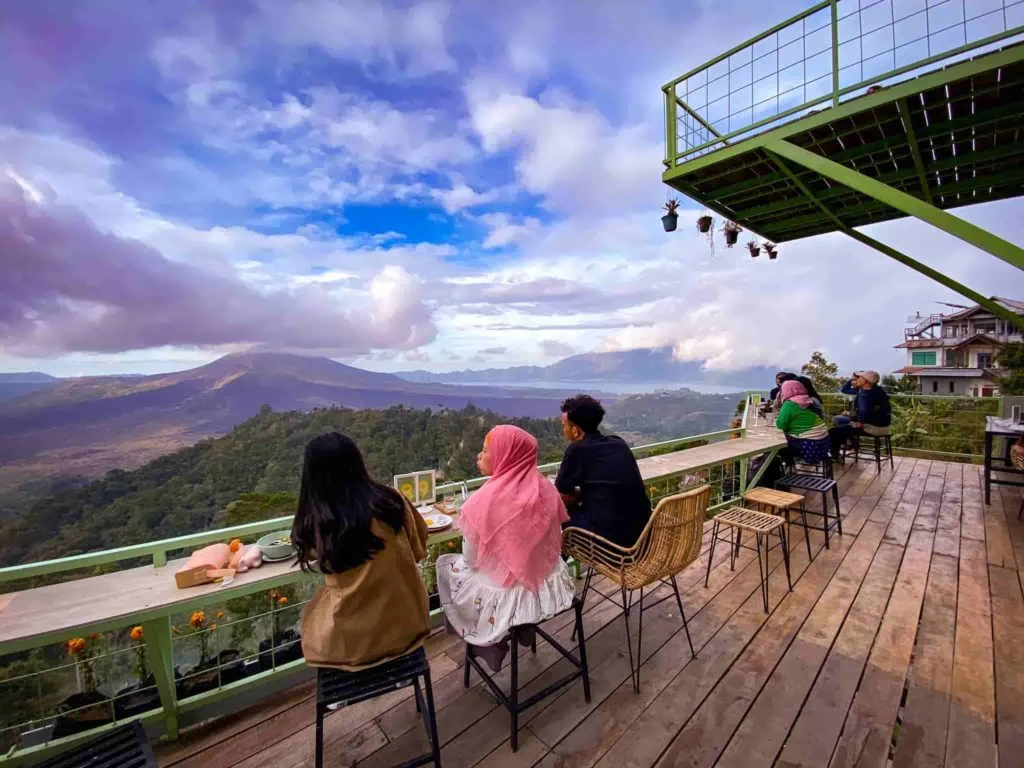
Kintamani, a highland district located in the Bangli Regency of Bali, has undergone a significant transformation from a traditional agricultural hub into a premier destination for modern highland tourism. Historically known for its sprawling citrus orchards and the majestic presence of Mount Batur, the region is now witnessing a surge in the "cafe culture" phenomenon. This shift is characterized by the establishment of numerous aesthetically designed coffee shops that capitalize on the dramatic volcanic vistas of the Batur UNESCO Global Geopark. As travelers increasingly seek experiences beyond the coastal regions of Kuta and Seminyak, Kintamani’s unique combination of cool climates, volcanic history, and premium local coffee has positioned it as a critical pillar in Bali’s tourism diversification strategy.
The Geological and Historical Context of Kintamani Tourism
The appeal of Kintamani is deeply rooted in its geological significance. Mount Batur, an active volcano with a massive caldera, serves as the centerpiece of the region. The caldera, which spans approximately 13.8 by 10 kilometers, was formed by two major eruptions thousands of years ago. Within this caldera sits Lake Batur, the largest lake in Bali, which provides essential irrigation for the island’s southern agricultural plains. In 2012, the area was designated as part of the UNESCO Global Geoparks Network, a status that mandates a balance between tourism development, geological preservation, and community involvement.
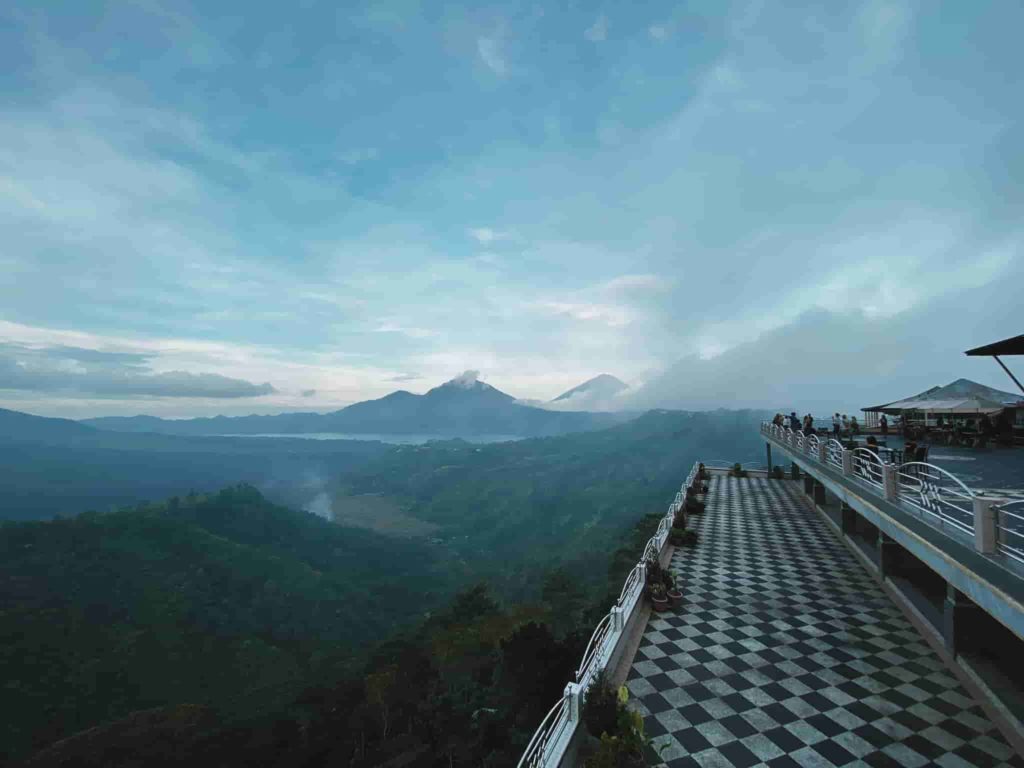
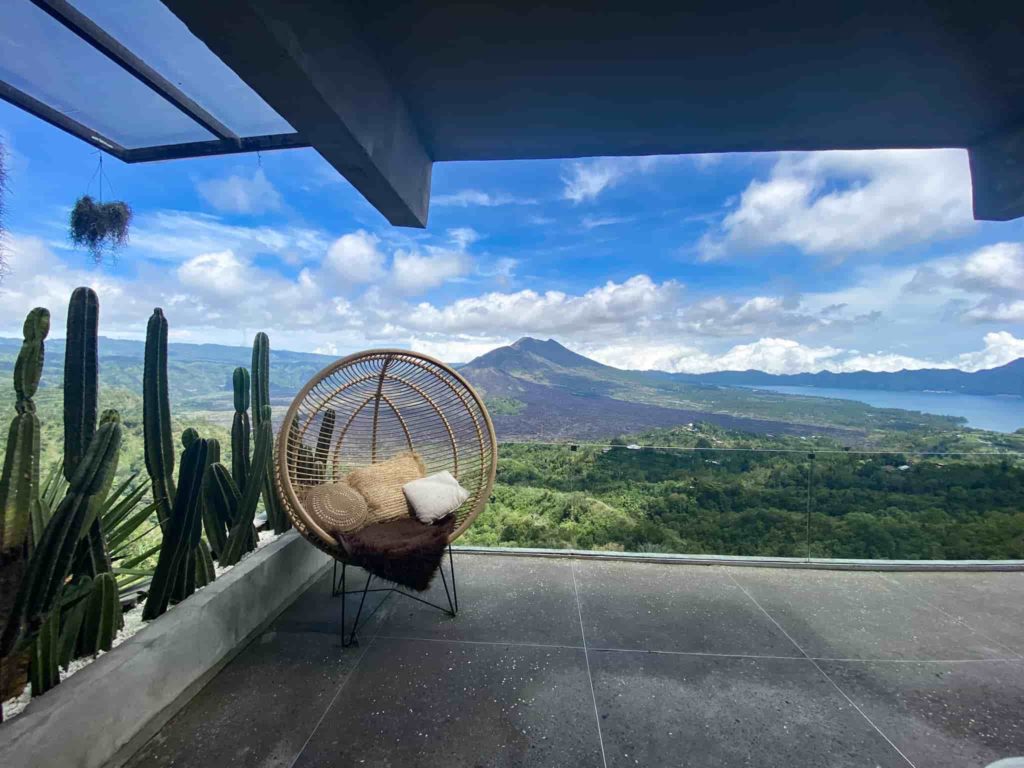
The development of coffee shops in the Penelokan area—meaning "place to look"—is a strategic response to the growing demand for "Instagrammable" travel experiences. These establishments are not merely eateries; they serve as viewing platforms that offer panoramic views of three major peaks: Mount Batur, Mount Abang, and Mount Agung. This geographical trifecta, often shrouded in morning mist or illuminated by the golden hour of sunset, has become a primary driver for domestic and international visitors alike.
Strategic Profiles of Key Highland Establishments
Several establishments have emerged as leaders in this highland tourism movement, each offering a distinct value proposition that blends hospitality with natural observation.
1. Tegu Kopi: The Pioneer of Sunset Vistas
Established in December 2019, Tegu Kopi is situated on Jalan Raya Penelokan. It was among the first wave of modern cafes to elevate the standard of hospitality in Kintamani. Located at an elevation where temperatures frequently drop to between 17 and 18 degrees Celsius, the cafe provides a stark contrast to the tropical heat of Bali’s coast. Its architectural design focuses on transparency, utilizing large glass panes to ensure that the view of the Batur caldera remains the focal point. The cafe has become a significant site for "slow tourism," where visitors spend hours engaging in conversation while observing the shifting light over the volcanic landscape.
2. Eco Bike Coffee: Integrating Agriculture and Hospitality
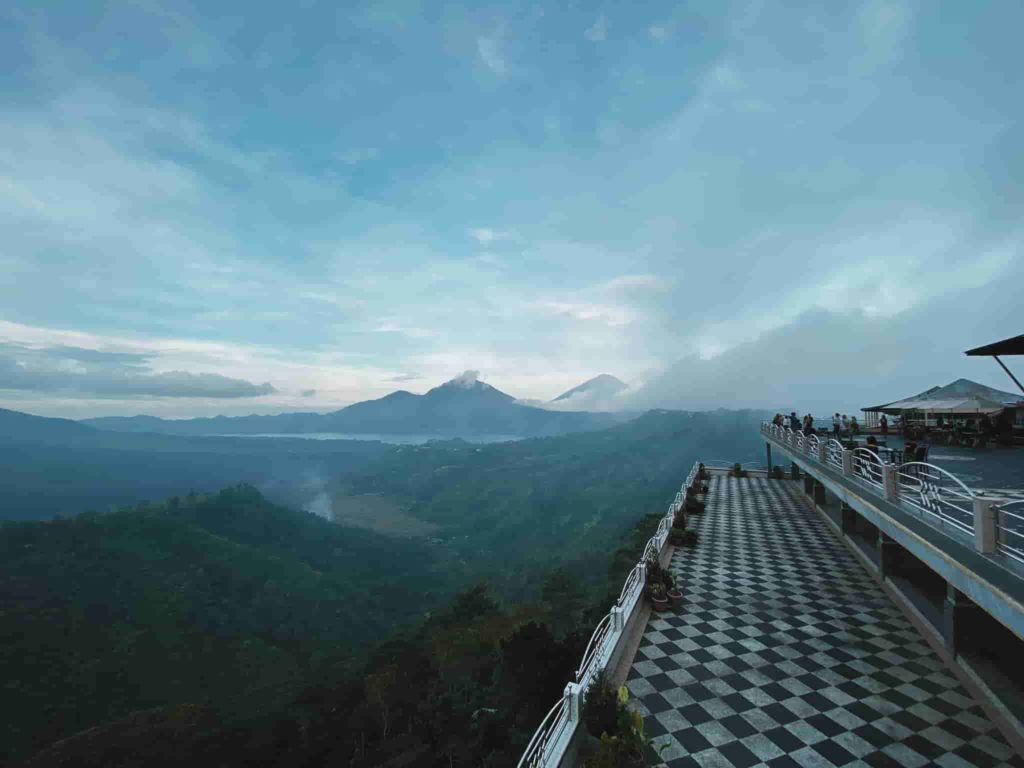
Eco Bike Coffee represents the "farm-to-cup" movement that is vital to the region’s identity. As a multi-level facility, it is currently one of the largest establishments in the Kintamani cliff area. The first floor is uniquely integrated with a coffee plantation and processing area, allowing guests to witness the journey of the Kintamani Arabica bean. The third-floor rooftop serves as an outdoor observation deck. This establishment also offers lodging, reflecting a trend toward overnight stays in a region that was previously considered a mere day-trip destination. The success of Eco Bike Coffee highlights the viability of agro-tourism in bolstering local economies.
3. Akasa Coffee: Premium Positioning and Consumer Trends
Akasa Coffee caters to a premium segment of the market, with average spending reaching approximately IDR 150,000 per person. This price point reflects the "quality over quantity" approach that Balinese tourism authorities have been promoting post-pandemic. The menu is diverse, ranging from breakfast sets to craft beverages, aiming to capture the digital nomad market and high-spending domestic tourists. The establishment emphasizes the necessity of climate-appropriate infrastructure, advising guests to bring heavy clothing—a rarity in typical Balinese travel advice—thereby highlighting Kintamani’s unique microclimate.
4. Batur 1926: Commemorating History through Architecture
The name "Batur 1926" is a historical reference to the catastrophic eruption of Mount Batur in 1926, which destroyed the original village of Batur and the Pura Ulun Danu Batur temple. By adopting this name, the establishment bridges the gap between modern leisure and historical consciousness. Architecturally, it features a traditional Balinese split gateway (Candi Bentar) on its rooftop terrace, creating a silhouette against the sunrise that has become iconic on social media platforms. Opening as early as 05:30 AM, it captures the sunrise trekking market—tourists who descend from the summit of Mount Batur and seek a comfortable location to recuperate.
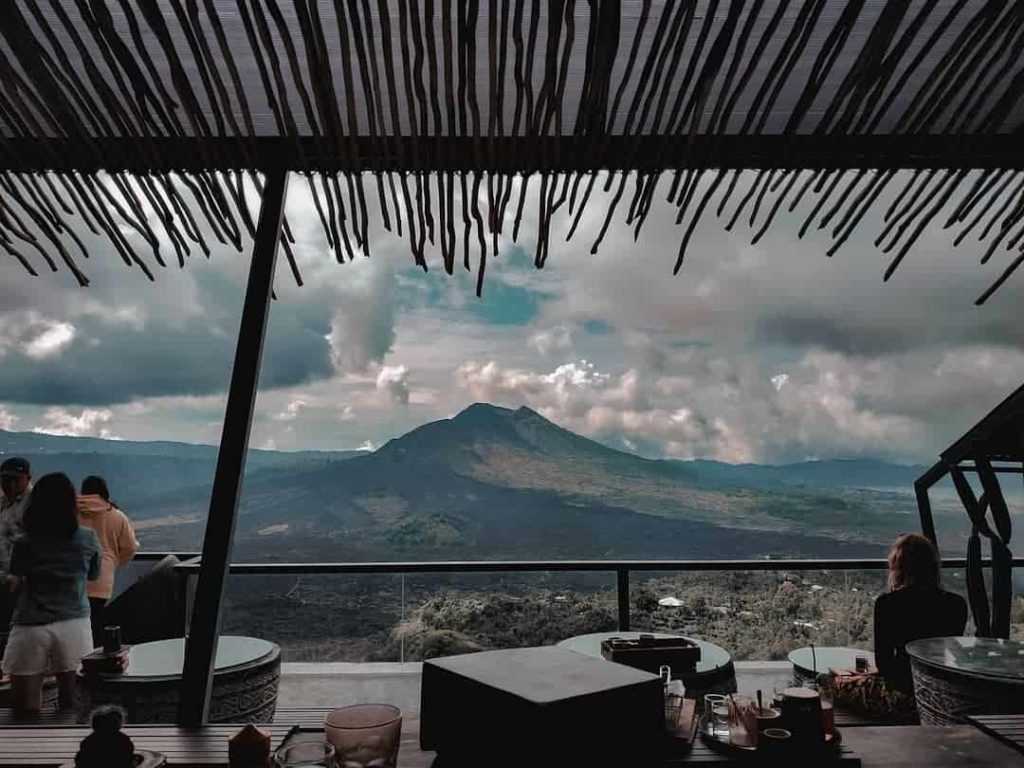
5. Kava Coffee: Lakeside Synergy
Unlike establishments perched strictly on the cliffside, Kava Coffee emphasizes its proximity to the legendary Lake Batur. Its design utilizes a semi-outdoor concept with long communal tables, fostering a social atmosphere. The use of glass doors and windows ensures that the interior remains connected to the external environment, a design philosophy consistent across the Kintamani coffee corridor. Kava Coffee’s success underscores the importance of aesthetic consistency in attracting the modern traveler.
Supporting Data and Economic Implications
The rise of these cafes is supported by the growing prestige of Kintamani Arabica coffee. Kintamani coffee was the first product in Indonesia to receive a Geographical Indication (GI) certification in 2008. This certification protects the name and quality of the coffee, which is grown at altitudes above 1,000 meters in volcanic soil. The synergy between the coffee industry and the cafe industry has created a robust local supply chain.
According to data from the Bali Central Bureau of Statistics (BPS), the Bangli Regency has seen a steady increase in tourism tax revenue, much of which is attributed to the Kintamani district. In the broader context of Bali’s recovery, where foreign arrivals surpassed 5 million in 2023, the diversification into highland tourism provides a necessary "pressure valve" for the overcrowded southern regions. This shift promotes a more equitable distribution of wealth across the island’s regencies.
Official Responses and Infrastructure Development
The Bangli Regency government has recognized the potential of this sector and has responded with infrastructure improvements. Recent projects include the widening of the Penelokan main road and the installation of better street lighting to accommodate the influx of visitors. Local officials have stated that the goal is to transform Kintamani into a world-class destination that does not sacrifice its environmental integrity.
"We are focused on ensuring that the development in Kintamani remains sustainable," an official from the Bangli Tourism Office noted in a recent regional planning meeting. "The geopark status means we must be careful with land use. These cafes are partners in our conservation efforts because they provide the economic incentive for the community to protect the landscape."
However, the rapid development has also prompted calls for stricter waste management and water conservation protocols. As these establishments consume significant resources, the local government is reportedly drafting regulations to ensure that all new businesses implement eco-friendly systems, such as rainwater harvesting and advanced septic filtration, to protect the Lake Batur watershed.
Broader Impact and Future Outlook
The transformation of Kintamani serves as a case study for other mountainous regions in Indonesia. It demonstrates that natural beauty, when paired with thoughtful architectural design and a focus on local commodities (like coffee), can create a high-value tourism ecosystem.
The implications for the local community are profound. Beyond direct employment in the cafes, there is an increased demand for local produce, guided trekking services, and boutique accommodations. The "Kintamani Model" suggests that the future of Balinese tourism lies in niche, experience-based travel rather than mass-market models.
As the region continues to evolve, the challenge will be maintaining the "cool and serene" atmosphere that made it popular in the first place. If managed correctly, Kintamani will continue to be a vital asset to Indonesia’s tourism portfolio, offering a romantic and contemplative alternative to the island’s bustling beach clubs. The success of establishments like Tegu Kopi and Akasa Coffee is not just about selling a cup of coffee; it is about selling a front-row seat to the geological wonders of the Indonesian archipelago.