The traditional landscape of the Indonesian wedding industry is undergoing a profound transformation as younger generations pivot away from the conventional, high-capacity ballroom reception toward more integrated and intimate experiences. In recent years, the concept of the wedding has expanded far beyond a single evening of celebration; it has evolved into a multi-day journey that merges the solemnity of the marriage contract (akad) or ceremony with the relaxation of a staycation and the romance of a honeymoon, all within the confines of a single, curated location. This shift, primarily observed in global tourism hubs like Bali, reflects a broader cultural movement toward "slow weddings" and "quality tourism," where the emphasis is placed on the depth of the experience rather than the scale of the guest list.
The emergence of this trend coincides with a significant rise in destination weddings and intimate ceremonies. Modern couples are increasingly prioritizing personal connections and memorable atmospheres over the performative nature of traditional large-scale events. Rather than the frantic pace of a standard reception, where the bride and groom may spend only seconds interacting with hundreds of guests, the "staycation wedding" allows for a prolonged engagement with a close-knit circle of family and friends. This model provides the luxury of time, enabling couples to transition seamlessly from their vows into a period of shared relaxation and, eventually, their private honeymoon without the logistical stress of traveling between multiple venues.
The Shift Toward Intimate and Outdoor Celebrations
The preference for private villas and outdoor settings has become a cornerstone of the modern wedding industry in Indonesia. According to industry analysts, the appeal of a private villa lies in its ability to offer a "blank canvas" for personalization while providing the comforts of a high-end residence. Unlike hotels, which often operate under rigid schedules and shared public spaces, private villas offer an exclusive sanctuary. This exclusivity is particularly attractive to Millennials and Generation Z, who value authenticity and social media-worthy aesthetics that feel unique to their personal story.
Marcello Franchi, the Director of Marketing at Nakula—a prominent hospitality management firm specializing in luxury rentals—notes that the perception of what constitutes a "successful" wedding has shifted. In an official statement released on July 22, 2026, Franchi emphasized that the most impactful weddings are those that do not feel like they have a definitive "end" once the music stops. He suggested that the true magic of a modern wedding begins in the quiet moments following the main event: the first morning as a married couple, a shared breakfast with parents in a sun-drenched garden, and the lingering sense of togetherness that a multi-day stay facilitates. This philosophy treats the wedding not as a transaction or a performance, but as the inaugural chapter of a new life together, grounded in presence and peace.
Data-Driven Growth in the Villa Sector
The trend toward villa-based weddings is supported by robust data from the Indonesian Ministry of Tourism and Creative Economy (Kemenparekraf). Recent reports indicate a staggering 76.4 percent increase in the registration of Business Identification Numbers (NIB) for villa-type accommodations. This surge is a clear indicator of the private sector’s response to changing consumer demands. Investors and property owners are increasingly pivoting toward the villa model to capture the lucrative "wedding-staycation" market, which typically yields higher per-booking revenue than standard short-term stays.
This 76.4 percent growth is more than just a statistical anomaly; it represents a structural shift in Indonesia’s tourism infrastructure. The government has recognized this trend as a positive signal for the national tourism industry, as it encourages the development of high-value, low-impact tourism. Destination weddings bring significant foreign and domestic capital into local economies, supporting a wide range of ancillary services, from local catering and floral arrangements to traditional music and photography. Furthermore, the concentration of these events in private villas helps distribute tourism more evenly across regions like Bali, moving beyond the crowded hotel districts into more secluded, scenic areas.
The Chronology of the Modern Wedding Weekend
To understand the appeal of the staycation wedding, one must look at the typical chronology of these events, which differ vastly from the one-day marathons of the past. The process usually begins with a "Welcome Day," where the couple and their closest relatives arrive at a luxury villa. This day is dedicated to settling in, perhaps enjoying a casual poolside dinner, and acclimating to the environment.
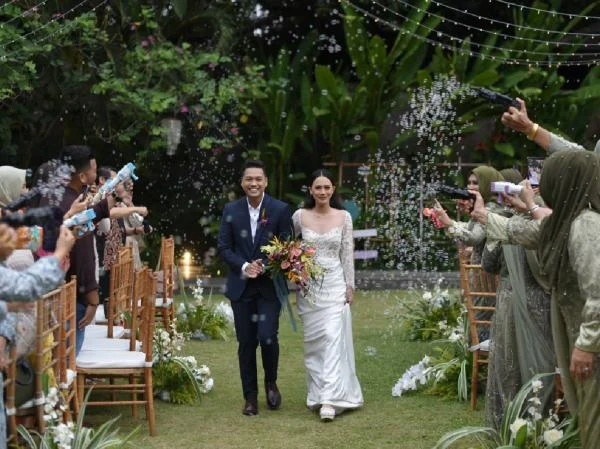
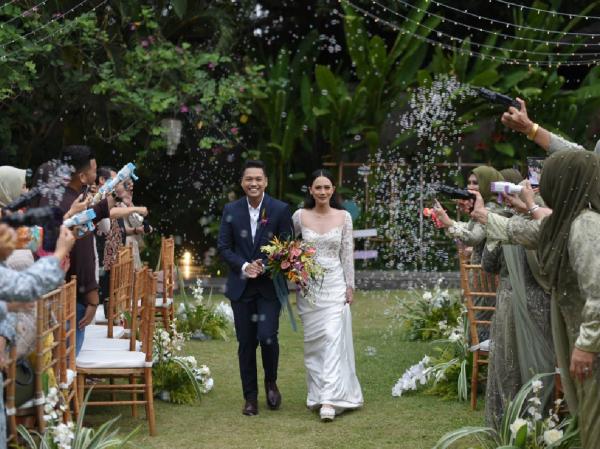
The second day is typically the "Ceremony Day." Because the couple is already on-site, the stress of morning transportation and hair-and-makeup logistics is virtually eliminated. The ceremony takes place in the villa’s garden or overlooking a cliffside, followed immediately by a sunset dinner. Because the guest list is limited—often to fewer than 50 people—the couple can invest more in high-quality dining and bespoke décor.
The third day is where the "staycation" element truly shines. Instead of checking out at dawn, the couple hosts a "Post-Wedding Brunch." This allows for a relaxed debrief of the previous night’s festivities. As the guests eventually depart, the couple remains at the villa, which then transitions into their honeymoon suite. This seamless transition is the primary driver of the trend, as it eliminates the "post-wedding blues" and the exhaustion associated with immediate travel.

Economic and Social Implications
The implications of this trend extend beyond the hospitality sector and into the realm of social psychology and economics. From a psychological perspective, the "intimate wedding" movement is a reaction to the burnout often associated with traditional wedding planning. By consolidating the venue and the accommodation, couples reduce the number of vendors they must manage and the logistical hurdles they must clear. This focus on "mental well-being" during the wedding process is a hallmark of Gen Z consumer behavior.
Economically, the shift toward fewer guests but higher per-capita spending is a boon for the luxury service industry. While traditional weddings might spend a large portion of the budget on a massive hall and basic buffet for 1,000 people, staycation weddings allocate those funds toward premium experiences: private chefs, artisanal gift bags, high-end mixology, and multi-day photography packages. This creates a more sustainable business model for local creatives and service providers who can focus on quality and craft.
Furthermore, the rise of the villa-wedding model has prompted a regulatory evolution. The Indonesian government’s push for NIB registration ensures that these private properties meet safety and service standards, bringing them into the formal economy. This professionalization of the villa sector makes Bali and other Indonesian islands more competitive on the global stage, rivaling traditional destination wedding hotspots like Tuscany, Ibiza, or the Amalfi Coast.
Environmental and Local Impact
A subtle but important aspect of the outdoor and villa-based wedding trend is its potential for a lower environmental footprint compared to massive indoor events. Outdoor weddings often utilize natural light, reducing electricity consumption. Furthermore, the "intimate" nature of these gatherings results in significantly less food waste and fewer disposable materials. Many villa operators in Bali are also integrating eco-friendly practices, such as sourcing ingredients from local organic farms and utilizing sustainable building materials, which aligns with the values of modern, environmentally-conscious couples.
However, the rapid growth of the villa sector also poses challenges for local infrastructure. The 76.4 percent increase in NIB registrations necessitates better waste management, water conservation, and road infrastructure in rural and coastal areas. The government and private entities like Nakula are increasingly aware that to maintain the "paradise" appeal of Bali, the growth must be managed responsibly.

Future Outlook for the Industry
As we look toward the late 2020s, the "all-in-one" wedding model is expected to become the standard for destination nuptials. We are likely to see further innovation in villa design, with architects specifically creating spaces that can function as both a high-capacity event venue and a cozy, private residence. Technology will also play a role, with virtual reality tours allowing couples to plan every detail of their staycation wedding from thousands of miles away.
The statement by Marcello Franchi serves as a reminder that at its core, a wedding is a transition of state—both legal and emotional. By choosing to stay, to linger, and to celebrate in a single sanctuary, couples are reclaiming the narrative of their marriage. They are choosing to start their journey not with a frantic dash to the airport, but with a slow morning, a shared meal, and the quiet realization that they are finally home. As Bali continues to lead the way in this hospitality revolution, the island solidifies its reputation not just as a place to visit, but as a place to begin a life together. The data, the industry sentiment, and the changing social tide all point toward a future where the wedding is no longer just a party, but a profound, extended experience of connection and peace.