The Indonesian automotive sector is currently experiencing a robust period of expansion, signaling a significant recovery and strengthening of the domestic market as the year 2026 approaches its final quarter. According to the latest data released by the Association of Indonesia Automotive Industries, widely known as Gaikindo, the national wholesales figures reached 760,476 units during the period from January to October 2026. This figure represents an impressive 35.5 percent increase compared to the same ten-month period in the previous year, highlighting a resilient consumer demand and a stabilized supply chain environment that has plagued the industry in recent years.
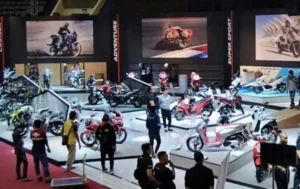
To capitalize on this upward momentum and ensure a strong finish for the fiscal year, Gaikindo has launched the Gaikindo Auto Week (GAW) 2026, an ambitious, multi-city exhibition held concurrently across 10 major cities in Indonesia. By decentralizing the event, the industry body aims to reach a broader demographic of consumers and stimulate localized purchasing activity, which is expected to play a pivotal role in hitting end-of-year sales targets.
The Strategic Evolution of Gaikindo Auto Week
Since its inception in 2022, in collaboration with the Ministry of Industry, the Gaikindo Auto Week has maintained a distinct identity compared to other major industry exhibitions, most notably the Gaikindo Indonesia International Auto Show (GIIAS). While GIIAS serves as the primary stage for unveiling cutting-edge technological advancements, prototype concepts, and global premieres of new vehicle models, GAW is laser-focused on the transactional aspect of the market.
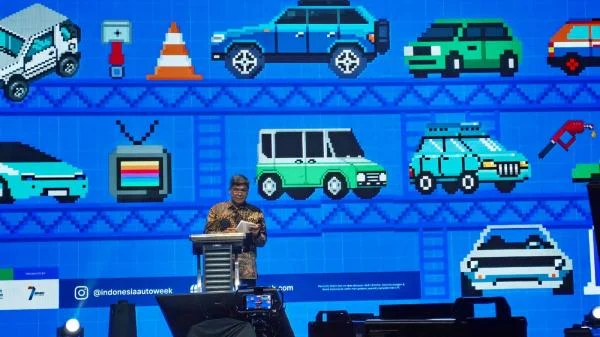
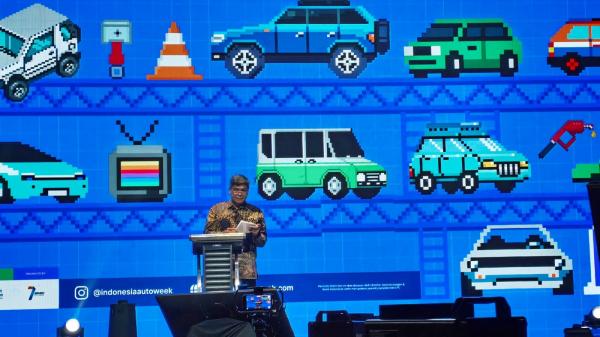
Putu Juli Ardika, Chairman of Gaikindo, emphasized the strategic necessity of the event during a press conference held in Jakarta on November 9, 2026. He noted that the primary mandate of GAW is to catalyze the sales of internal combustion engine vehicles, hybrids, and electric vehicles that are already available in the market. "If other exhibitions like GIIAS are primarily designed to introduce new technologies and showcase the future of the automotive industry, GAW is designed specifically to serve the immediate needs of consumers and drive sales volume," Ardika stated.
The decision to host the event simultaneously in ten cities reflects a calculated move to capture regional market segments that are often overlooked in centralized capital-city events. By bringing the exhibition to the doorstep of consumers in key economic hubs, Gaikindo is effectively reducing the logistical and psychological barriers to vehicle ownership.
A Chronology of Market Recovery: 2022–2026
To understand the significance of the 2026 figures, one must look at the recent history of the Indonesian automotive landscape. Following the global disruptions caused by the pandemic, the industry spent 2022 and 2023 in a state of stabilization.
In 2022, the inaugural Gaikindo Auto Week was launched as a pilot program to test the appetite for a sales-centric event. The success of this inaugural effort proved that Indonesian consumers were highly responsive to incentives and direct sales events. Throughout 2024, the market showed signs of moderate growth, bolstered by the government’s push for the electrification of the transport sector. By 2025, the industry saw the integration of more affordable electric vehicle (EV) options, which began to attract a wider segment of the middle class.
The year 2026 has served as the inflection point. The 35.5 percent growth rate reported for the first ten months of 2026 is largely attributed to a combination of favorable macroeconomic conditions, competitive financing rates offered by banking partners, and a diversification of vehicle offerings that cater to both urban professionals and rural commercial needs.
Data Breakdown and Economic Implications
The 760,476 units sold to date in 2026 underscore a healthy consumer appetite. Analysts point to several key drivers for this surge:

- Macroeconomic Stability: Indonesia’s GDP growth in 2026 has remained steady, fostering consumer confidence and a higher propensity for big-ticket purchases.
- Infrastructure Development: The expansion of toll roads and improved inter-city connectivity across Java and Sumatra has increased the utility of private vehicles, thereby driving demand.
- Financial Incentives: The collaboration between automotive manufacturers and financial institutions during events like GAW has led to lower interest rates and more flexible down-payment schemes, which are critical for the Indonesian market.
- The EV Transition: The government’s ongoing tax incentives for electric vehicles have made them more price-competitive against traditional gasoline vehicles, capturing a significant share of the growth.
The automotive industry remains a cornerstone of the Indonesian economy, contributing substantially to the national GDP and providing employment to hundreds of thousands of workers across manufacturing, logistics, and retail sectors. Therefore, the success of the Gaikindo Auto Week is not merely a metric of car sales; it is a barometer for the nation’s industrial health.
Official Responses and Industry Outlook
The Ministry of Industry has been a vocal supporter of the Gaikindo Auto Week, viewing it as a vital tool to achieve the government’s national production targets. By focusing on volume, the event helps manufacturers clear inventories ahead of the new year, allowing them to optimize production schedules for 2027.
"The government recognizes the role of the automotive sector as a multiplier for economic growth," a representative from the Ministry of Industry noted. "The synergy between the industry and the government to organize events that directly stimulate consumer spending is a model we intend to continue."
Market analysts expect that if the current momentum holds through the end of December, the total annual sales for 2026 could potentially reach or exceed the one-million-unit mark, a milestone that would solidify Indonesia’s position as one of the most vibrant automotive markets in Southeast Asia.
Challenges and Future Considerations
Despite the positive outlook, the industry faces long-term challenges. The transition to electric vehicles requires significant infrastructure investment, particularly in charging networks outside of major metropolitan areas. Furthermore, the global volatility in semiconductor and raw material prices remains a persistent risk factor.

However, the industry’s ability to adapt—as evidenced by the success of the GAW 2026 format—demonstrates a high level of agility. The focus on regional engagement and sales-oriented marketing strategies is expected to remain the standard for the foreseeable future.
As the Gaikindo Auto Week 2026 concludes its ten-city tour, the data gathered from these events will likely inform the strategic planning for 2027. Manufacturers are currently closely monitoring consumer preferences at these events to adjust their product mix. If the trend of robust growth continues, the automotive sector will likely remain a primary engine for Indonesia’s industrial performance in the coming years.
The success of these events serves as a clear indicator that the demand for mobility in Indonesia is not only recovering but evolving. With the backing of both the government and the private sector, the automotive industry is well-positioned to maintain its trajectory as a critical pillar of the national economy, navigating the complexities of modern manufacturing while meeting the aspirations of an increasingly mobile Indonesian population.
In summary, the 35.5 percent increase in wholesales is more than just a statistical success; it is a testament to the resilience of the Indonesian automotive market and the effectiveness of targeted, industry-led promotional strategies. As the year draws to a close, all eyes will be on the final sales figures to confirm whether 2026 will be remembered as the year that fully redefined the potential of the Indonesian automotive industry.