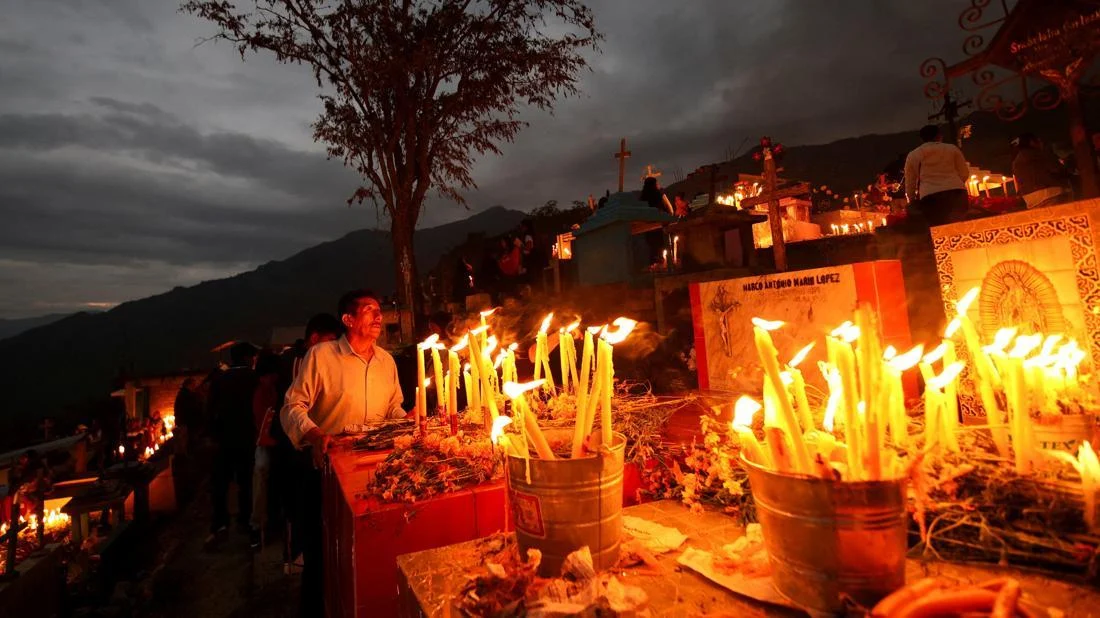
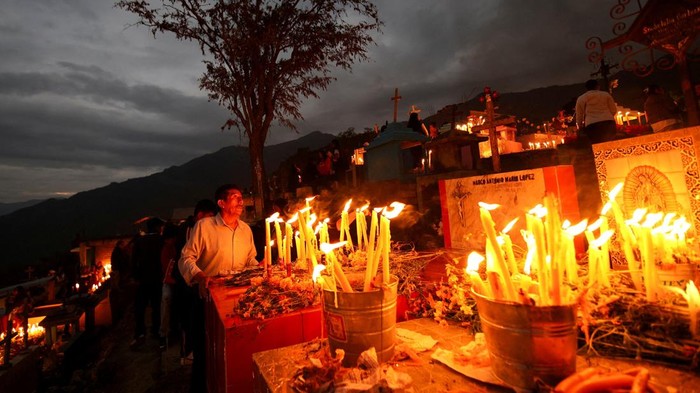
The annual observance of Día de los Muertos, or the Day of the Dead, is typically a vibrant celebration of life and memory across Mexico. However, for families in Ciudad Juárez, the festivities held on November 2, 2026, were overshadowed by a somber reality: the ongoing, agonizing search for disappeared loved ones. At the San Rafael Cemetery, the traditional scent of marigolds and the glow of candlelight were juxtaposed against the stark, sterile markers of mass graves, where unidentified remains are interred, serving as a visceral reminder of the country’s enduring crisis of enforced disappearances.
A Contextual Crisis: Mexico’s Missing
The plight of the families gathered in Ciudad Juárez is part of a larger, systemic crisis that has plagued Mexico for decades. According to data from the National Registry of Missing and Unidentified Persons (RNPDNO), the number of disappeared individuals in the country has surged past the 110,000 mark. This epidemic of missing persons is inextricably linked to the influence of powerful drug cartels, territorial disputes, and, in some instances, state-sponsored negligence or complicity.
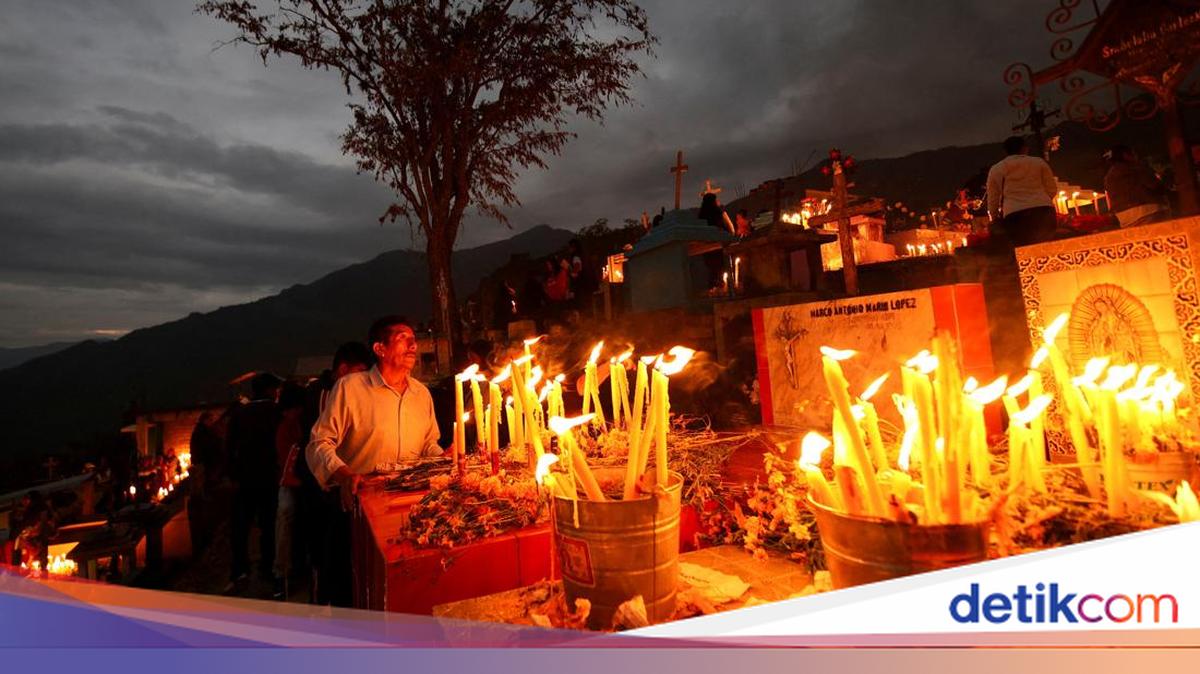
Ciudad Juárez, a city historically known for its strategic location on the United States-Mexico border, has long been a flashpoint for violence. The intersection of human trafficking routes, drug smuggling, and economic disparity creates a landscape where disappearances often occur with little hope of swift resolution. For the families at the San Rafael Cemetery, the mass graves represent not a final resting place for the deceased, but a bureaucratic graveyard where the lack of proper forensic identification leaves them in a perpetual state of limbo.
The Symbolic Struggle of Patricia Garcia
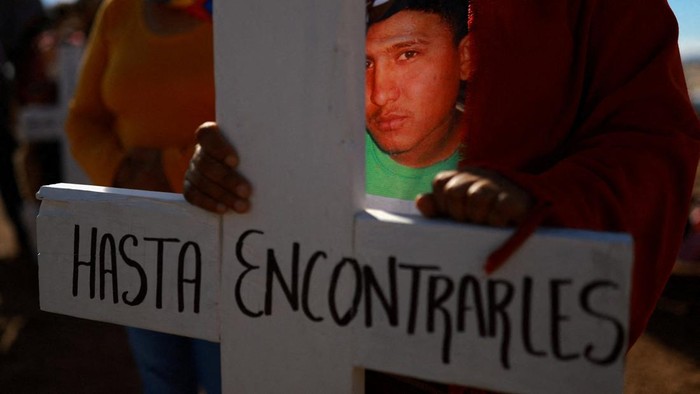
Among those present at the memorial was Patricia Garcia, who clutched a cross bearing the poignant inscription, "Until we find them." Her personal narrative mirrors that of thousands of other mothers, siblings, and children across the nation. She continues to search for her son, Jacobo Orozco Garcia, who vanished at the age of 22.
Her presence at the mass grave site was not merely an act of mourning; it was an act of political protest. By carrying symbols of her missing son into a space designated for the dead, she and other families challenged the state’s failure to provide answers. For families like hers, the Day of the Dead—a day intended for honoring ancestors who passed away naturally—has been repurposed into a day of advocacy, demanding that authorities expedite DNA testing, cross-reference forensic databases, and stop the practice of burying unidentified bodies in unmarked mass graves.
Chronology of the Search and Advocacy
The struggle for justice in Ciudad Juárez is marked by years of frustration. Since the early 2000s, local advocacy groups—often led by women—have organized to pressure the municipal and federal governments.
- 2008–2012: The height of the "Juárez War," during which kidnapping and forced disappearances escalated, overwhelming the capacity of local morgues and forensic labs.
- 2017: The passage of the General Law on Disappearance of Persons aimed to standardize search efforts and create a national DNA database. However, implementation has been consistently hindered by budget cuts and corruption at the state level.
- 2023–2025: Increased pressure from international human rights organizations, including the United Nations Committee on Enforced Disappearances, led to promises of "Extraordinary Forensic Mechanisms" to process the backlog of unidentified remains.
- November 2, 2026: Families gathered at San Rafael to remind the public and the government that despite legislative changes, the practical reality on the ground remains unchanged.
Forensic Failures and Systemic Challenges
The inability to identify the remains in mass graves is largely attributed to a lack of resources and professional training within the forensic services of Mexico’s individual states. While the federal government has attempted to centralize forensic identification efforts, the reality is that many local morgues are severely underfunded.
Experts in human rights forensics note that the process of identification requires a continuous chain of custody and a robust, accessible database. When bodies are moved from crime scenes to mass graves without proper documentation, the chance of returning them to their families decreases significantly. This "forensic crisis" effectively erases the identity of the victim, turning individuals into mere statistics. For the families, this is a secondary trauma—the fear that their loved one is lying in a cold, unmarked pit, unrecognized by the very state that failed to protect them.
Official Responses and Public Sentiment
Government officials have frequently issued statements regarding their commitment to resolving these cases. Following the events at the San Rafael Cemetery, representatives from local law enforcement reiterated their intent to continue the search for the missing and to improve the identification process for victims found in clandestine sites.
However, public trust remains at an all-time low. Civil society organizations argue that official data often underestimates the true scale of the crisis, as many families do not report disappearances due to fear of retaliation from criminal organizations or a deep-seated distrust of local police. The discrepancy between official rhetoric and the experience of families like Patricia Garcia’s creates a disconnect that fuels ongoing demonstrations across Mexico.
The Broader Implications of the Missing
The impact of this crisis extends beyond the individual grief of families. It strikes at the heart of the social fabric in regions like Ciudad Juárez. When a significant portion of a generation disappears, the economic and social consequences are profound. Entire communities are left traumatized, and the rule of law is severely undermined.
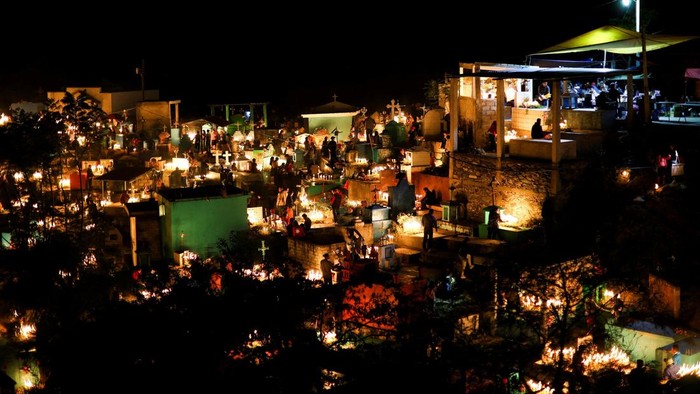
Furthermore, the "normalization" of these mass graves poses a significant challenge to the future of the nation. As long as cemeteries serve as repositories for thousands of unidentified citizens, the country cannot fully reckon with its violent past. The persistence of these families—who spend their savings, risk their safety, and dedicate their lives to digging through archives and graves—is perhaps the most significant indicator of the failure of the justice system.
Looking Toward an Uncertain Future
As the candles at the San Rafael Cemetery flickered out, the message from the families remained resolute. The Day of the Dead, meant to bring peace to the departed, has become a day of mobilization for the living. The families of the disappeared have made it clear that they will not stop their search, nor will they accept the silence of the authorities.
The situation in Ciudad Juárez serves as a microcosm of a larger struggle for human rights in Latin America. It highlights the necessity of international oversight, the importance of independent forensic verification, and the courage of ordinary people fighting for the dignity of their loved ones. Whether or not the government will translate the public outcry of November 2026 into tangible, long-term policy reform remains to be seen. For now, the families continue to hold their crosses and their photos, walking the fine line between hope and the agonizing reality of their loss.
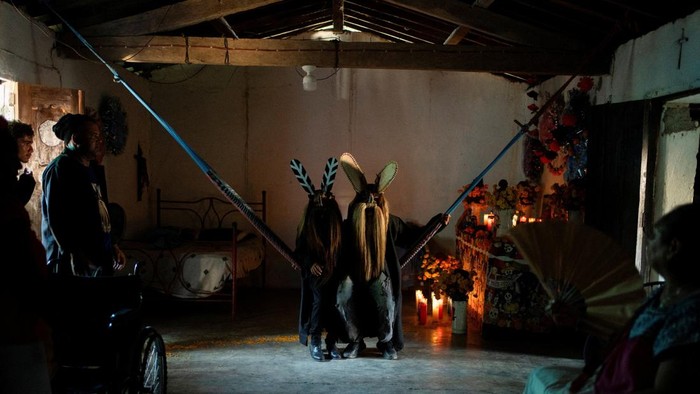
As the sun rose over Ciudad Juárez on November 3, 2026, the temporary shrines at the cemetery were dismantled, but the mission remained unchanged. The search for the missing is not just a quest for remains; it is a quest for truth, accountability, and the restoration of humanity in a landscape often defined by its absence. The families represent the last line of defense against oblivion, ensuring that those who have been forcibly removed from their lives are not erased from the history of their country.