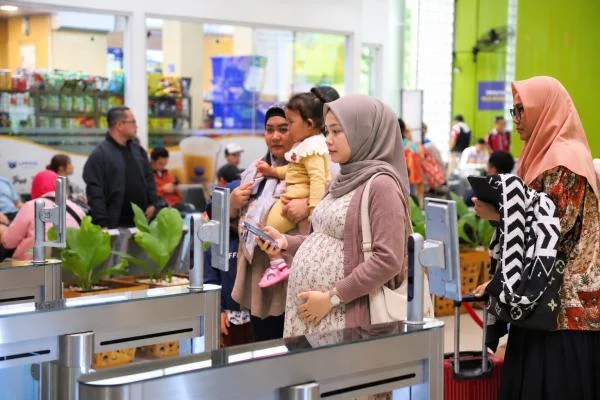
PT Kereta Api Indonesia (Persero), commonly referred to as KAI, has recently reinforced its operational protocols concerning the safety and health of pregnant passengers traveling on long-distance rail services. As Indonesia’s primary rail operator continues to manage a significant surge in passenger volume across its major transit hubs, the management has underscored the necessity for expectant mothers to strictly adhere to specific medical documentation and accompaniment requirements. These measures are designed to mitigate health risks associated with travel during various stages of pregnancy and to ensure that station staff and onboard crew can provide effective assistance in the event of an emergency.
According to official communications from KAI Daop 1 Jakarta, represented by Manager Humas Franoto Wibowo, the policy is not intended to restrict the mobility of pregnant passengers but rather to standardize safety procedures across the national network. The guidelines specifically target those in the more vulnerable stages of gestation, ensuring that both the mother and the fetus are protected from the physical rigors of long-distance transit.
The Scope of Regulatory Requirements
The core of the KAI policy centers on the age of the pregnancy. Passengers who are in their first trimester—specifically those with a gestational age of less than 14 weeks—and those in the third trimester, defined as more than 28 weeks, are subject to mandatory verification processes. These specific timeframes are medically recognized as periods where fluctuations in blood pressure, fatigue, and the risk of unexpected complications are statistically higher.
To comply with KAI’s updated safety standards, pregnant travelers falling within these categories must provide a formal medical certificate issued by a certified obstetrician or a licensed midwife. This document serves as a "fit to travel" clearance. It must explicitly state the current gestational age and certify that the pregnancy is progressing normally without any underlying health conditions that would contravene the safety of rail travel. This verification must be presented to boarding personnel at the station of departure.
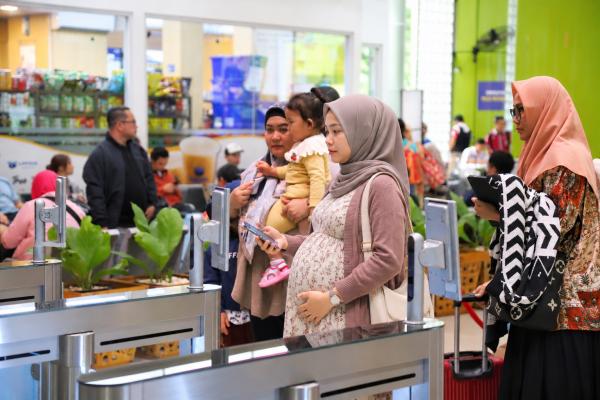
Beyond documentation, KAI has institutionalized the requirement for a mandatory companion. For the duration of the journey, a pregnant passenger in the specified gestational windows must be accompanied by at least one adult. The rationale behind this mandate is rooted in operational reality: while KAI crew members are trained in basic first aid, they are not specialized medical practitioners. A dedicated companion is essential for providing immediate support, managing luggage, facilitating mobility through train corridors, and acting as a primary point of contact should the passenger experience sudden discomfort or a medical emergency.
Contextualizing the Surge in Rail Travel
The implementation of these guidelines coincides with a period of intense activity for the Indonesian rail network. Data released by PT Kereta Api Indonesia indicates that the company has experienced a substantial increase in ridership, with recent reports showing a 108 percent surge in passenger numbers across its top 10 busiest stations. This massive uptick in traffic puts significant pressure on station infrastructure and onboard amenities.
As station platforms become more crowded and the boarding process becomes increasingly fast-paced, the vulnerability of pregnant passengers naturally rises. The policy serves as a protective layer, ensuring that those who might require additional time or assistance are not navigating these high-density environments alone. The integration of these rules is part of a broader strategy by KAI to manage high-volume throughput while maintaining a high safety rating, a crucial metric for a state-owned enterprise responsible for millions of commuters annually.
Chronology of Policy Evolution
The formalization of these rules follows a series of operational assessments conducted by KAI throughout 2026. Earlier in the year, the railway operator faced challenges related to rolling stock maintenance and infrastructure bottlenecks, including issues with the KRL (Commuter Line) INKA fleet. These incidents prompted a top-to-bottom review of passenger safety protocols.
While the pregnancy guidelines are not entirely new, their strict enforcement has been revitalized as part of the "Safety First" campaign launched by the Ministry of Transportation. By standardizing these requirements, KAI aims to reduce the frequency of mid-journey medical diversions. In previous years, the lack of uniform enforcement often led to inconsistencies where some passengers were allowed to board without documentation, only to encounter severe physical distress during long-haul trips across the Java island corridors. The current policy seeks to eliminate such ambiguity, providing clear, actionable steps for both passengers and station staff.

Official Statements and Operational Rationale
In his official statement on Monday, November 2, 2026, Franoto Wibowo emphasized that the presence of a companion is not merely a formality but a critical component of the passenger’s safety net. "The presence of a companion is a vital element of this provision. It ensures that the specific needs of the expectant mother are met throughout the journey and provides an immediate layer of support should the passenger require urgent medical attention or assistance from our onboard personnel," Wibowo noted.
From an operational standpoint, this allows the KAI crew to focus on their primary duties—such as train operations and general safety—while ensuring that vulnerable passengers have a dedicated advocate on board. The policy also empowers station staff to make informed decisions at the point of ticket verification, preventing potential hazards before they occur on the tracks.
Broader Implications for Rail Safety
The enforcement of these protocols reflects a wider trend in the transportation sector toward proactive risk management. As rail travel remains the backbone of inter-city connectivity in Indonesia, the ability of KAI to handle diverse passenger demographics—including those with specific health considerations—is a benchmark of its professional maturity.
The implications of this policy are threefold:
- Passenger Awareness: It compels expectant mothers to plan their travel well in advance, encouraging them to prioritize their medical status before purchasing tickets.
- Infrastructure Readiness: By acknowledging the specific needs of pregnant passengers, KAI is implicitly signaling the need for better station accessibility and more inclusive train designs.
- Legal and Liability Framework: By establishing clear, documented requirements, KAI is formalizing its liability boundaries, ensuring that passengers are aware of the risks and the necessity of medical clearance prior to departure.
Industry analysts observe that while these measures might be perceived as restrictive, they are consistent with international rail safety standards observed in other major economies. In regions with robust rail networks, such as Europe and Japan, clear guidelines for vulnerable passengers are standard practice. KAI’s alignment with these international norms is a positive step toward modernization and professionalizing the passenger experience.

Moving Forward: Preparation and Compliance
For those planning to utilize KAI services in the coming months, the procedure is straightforward. Passengers are advised to consult their primary healthcare providers during their routine check-ups to request the necessary "fit to travel" documentation. It is recommended that this document be dated within seven days of the intended departure to ensure the information is current and reflective of the passenger’s actual health status.
Furthermore, passengers are encouraged to book their seats in areas of the train that are easily accessible, such as near the carriage doors or restrooms, to minimize physical strain. KAI’s ticketing system and customer service centers are currently providing additional guidance to passengers who have concerns regarding these regulations.
As KAI continues to navigate the complexities of high-demand travel, the commitment to safety remains paramount. By balancing the need for efficient mass transit with the requirements of individual passenger health, KAI is setting a precedent for responsible operation in a rapidly growing transportation market. The cooperation of the public in adhering to these guidelines will be essential to ensuring that the rail network remains a safe, reliable, and accessible mode of transport for all, regardless of their health or physical condition. The synergy between clear communication from the operator and diligent preparation by the passenger will continue to be the cornerstone of safety for Indonesia’s extensive rail journey network.