The Provincial Government of Jakarta is currently evaluating a transformative urban policy that could see up to 76 public parks operating on a 24-hour basis. This initiative, aimed at addressing the city’s evolving demographic needs and the lack of accessible recreational space for residents, marks a significant shift in how Jakarta manages its public assets. As the metropolis continues to expand and its residents increasingly adopt nocturnal lifestyles, the demand for safe, inclusive, and accessible green spaces has become a critical point of discourse within the municipal government.
The Evolution of Public Space in Jakarta
For decades, public parks in Jakarta were predominantly closed after sunset, often due to concerns regarding security, maintenance, and the potential for illicit activities. However, the urban landscape has changed drastically since the early 2020s. With the rise of high-density residential developments and a growing "24-hour city" culture, the rigid closing hours of public parks have increasingly been viewed as a barrier to social well-being.
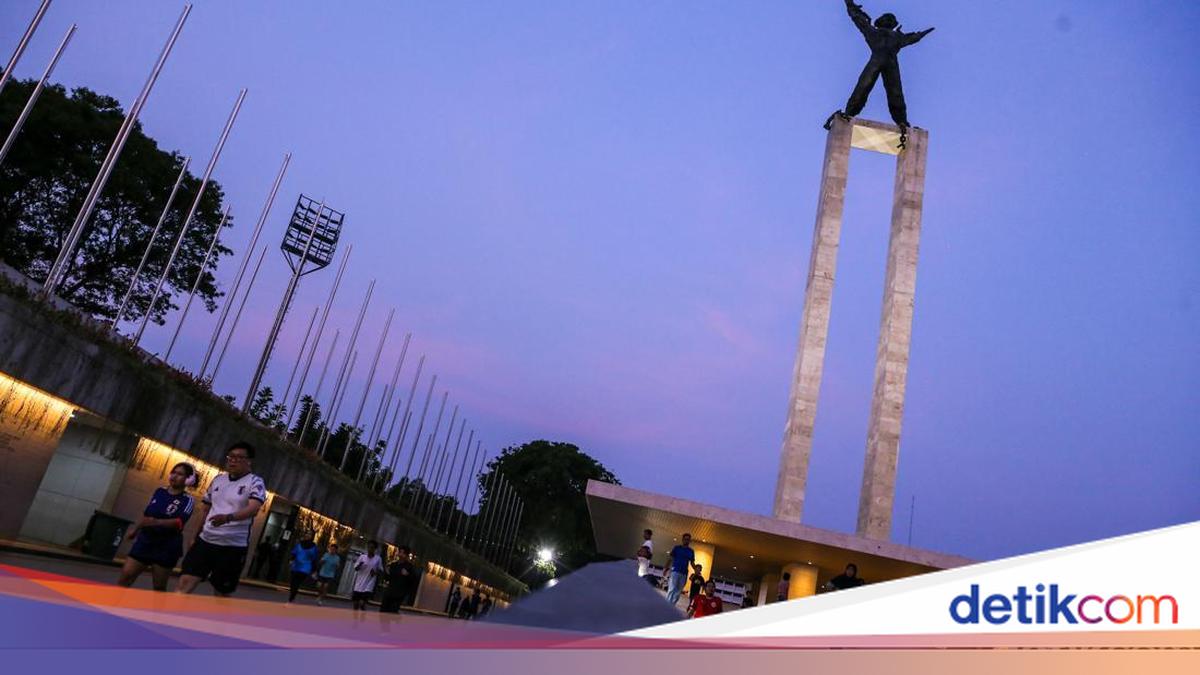
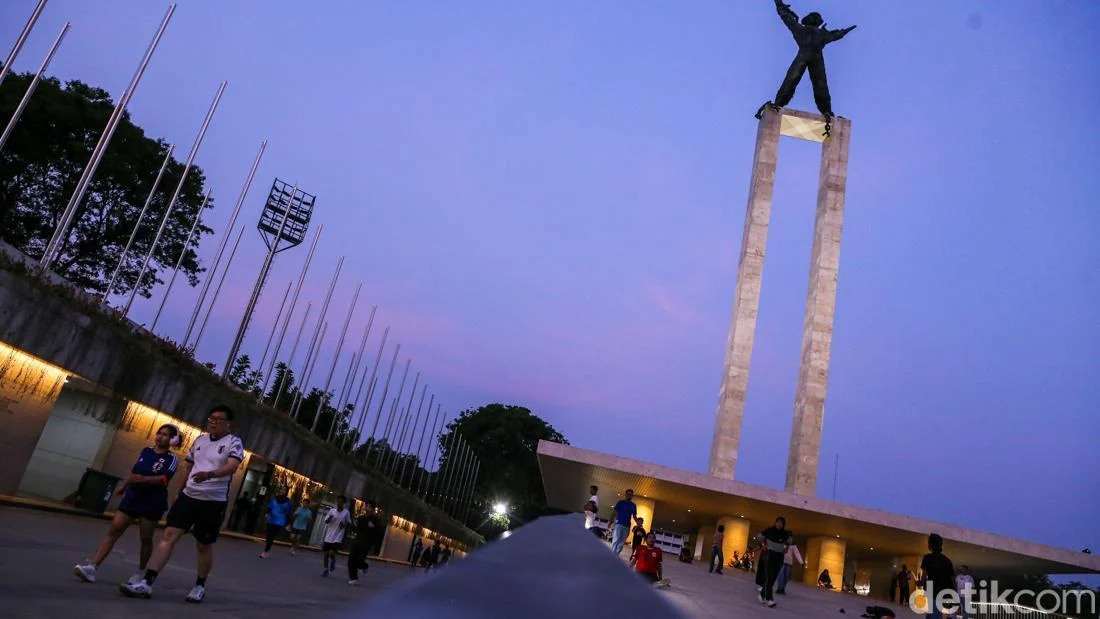
In May 2025, the administration began a pilot project by opening five flagship parks—Taman Menteng, Taman Lapangan Banteng, Taman Ayodya, Taman Langsat, and the Taman Literasi Martha Christina Tiahahu—to the public around the clock. The success of this pilot program, measured by high foot traffic and positive public engagement, has served as the foundation for the current proposal to expand this policy to 76 additional locations across the capital.
Balancing Accessibility with Security
While the proposal to open 76 parks 24/7 is widely supported by urban planners and residents alike, it presents a complex logistical challenge for the Jakarta administration. The primary concern is not just accessibility, but the safety and security of visitors during late-night hours.
To mitigate risks, the provincial government is developing a comprehensive security framework. This includes the widespread installation of high-definition closed-circuit television (CCTV) cameras connected to a centralized monitoring system. Furthermore, local authorities are considering an increase in patrols by the Public Order Agency (Satpol PP) and increased coordination with the local police to ensure that these spaces remain safe for all, particularly during the early morning and late night.
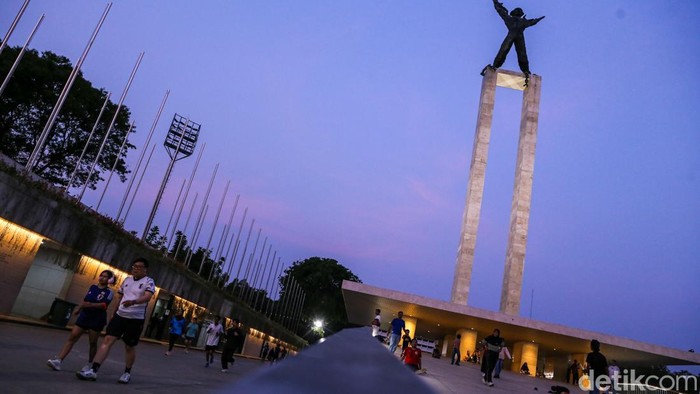
The shift in strategy reflects a broader trend in global urban design known as "The Night-Time Economy," where cities recognize that public infrastructure should serve residents regardless of the hour. By providing safe, illuminated, and monitored public spaces, the government hopes to reduce instances of petty crime in secluded areas while fostering a stronger sense of community.
Economic and Social Implications
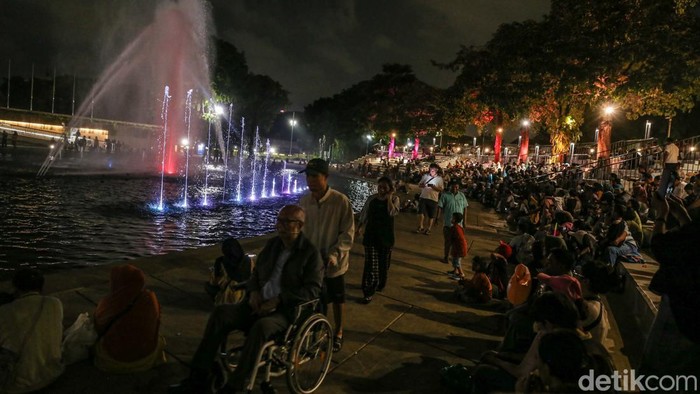
The potential opening of 76 parks 24/7 holds profound implications for Jakarta’s social fabric. In a city where temperatures can remain high throughout the day, evening and night hours are often the only times when residents feel comfortable engaging in physical exercise or outdoor leisure.
Economically, the presence of active public spaces late at night can stimulate local commerce. Small and medium enterprises (SMEs) often cluster around these parks, providing food, beverages, and recreational services. When parks remain open, these vendors experience extended operating hours, contributing to the city’s economic vitality.
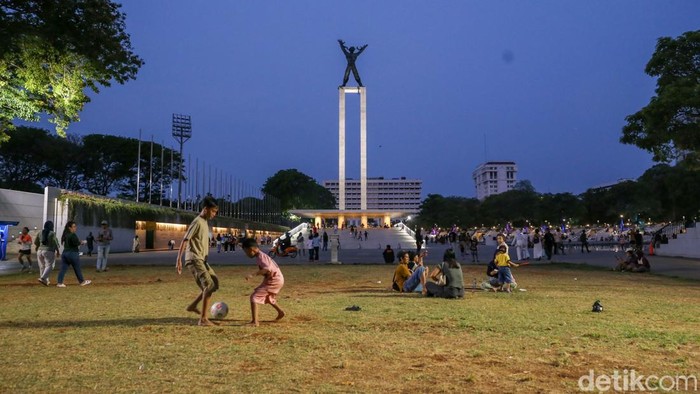
Furthermore, these spaces serve as vital "social equalizers." In a city with significant income disparities, high-quality public parks offer a rare environment where individuals from all walks of life can interact. By extending access, the government is effectively democratizing the use of premium urban land, ensuring that it is not solely the domain of the elite but a shared asset for the entire population.
Chronology of the Initiative
The road to this proposal has been marked by a series of incremental policy adjustments:
- Early 2024: Initial discussions begin regarding the underutilization of public parks during off-peak hours.
- May 2025: The "Five-Park Pilot" is launched, allowing 24-hour access to high-profile locations like Taman Lapangan Banteng.
- Late 2025 – Early 2026: Data collection and public sentiment surveys show an 85% approval rating for the 24-hour pilot scheme.
- November 2026: The Jakarta Provincial Government formally announces that it is reviewing the feasibility of extending the policy to an additional 76 parks.
Challenges and Necessary Infrastructure Upgrades
Opening 76 additional parks 24/7 is not merely a matter of unlocking gates. It requires significant capital investment in infrastructure. Most existing parks lack the lighting density required for night-time safety. City officials have noted that the expansion will require a multi-phase upgrade, starting with improved LED street lighting, emergency call buttons, and standardized waste management systems to handle the increased load.
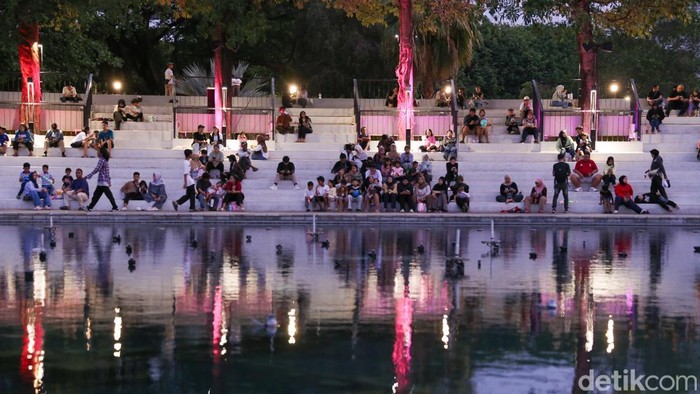
Moreover, maintenance schedules must be completely overhauled. Traditionally, maintenance crews operate during the day, which can disrupt visitors. A 24-hour operation model necessitates a staggered maintenance schedule that ensures the parks remain clean and functional without interfering with public access. This will likely lead to an increase in operational costs for the Parks and Forestry Agency, a budgetary hurdle that the administration is currently reconciling.
Perspectives from Stakeholders
Urban development experts have largely praised the move, noting that it aligns with international best practices for urban livability. However, there are calls for the government to involve local community members in the planning process. "Public spaces only remain safe when they are ‘owned’ by the community," says an urban planning consultant. "If residents feel responsible for their local parks, they are more likely to self-regulate behavior, which is far more effective than just relying on CCTV."
On the other hand, some neighborhood residents near smaller parks have expressed concerns regarding potential noise pollution and traffic congestion in the late hours. The administration has indicated that it will conduct environmental impact assessments for each of the 76 sites, tailoring the regulations—such as noise limits and parking restrictions—to the specific characteristics of each neighborhood.
Comparative Analysis: Jakarta in the Global Context
When compared to other major global cities, Jakarta’s move is a step toward catching up with metropolitan standards. Cities like New York, London, and Tokyo have varying degrees of 24-hour park access, often managed through clear zoning laws and strict enforcement of public conduct.
In Jakarta, the challenge is unique due to the density of the city and the tropical climate. Unlike European cities where public parks are often quiet at night due to the weather, Jakarta’s parks are expected to remain hubs of activity. The city’s ability to successfully implement this policy will depend heavily on its capacity to balance the demand for public freedom with the necessity of urban order.
Future Outlook and Conclusion
The proposal to open 76 parks 24/7 is a bold statement about the future of Jakarta. It signals a move away from a city that functions only from 9 to 5, toward a more vibrant, inclusive, and modern metropolis. As the government continues its deliberations, the public will be watching closely to see how the authorities balance the logistical hurdles of safety, maintenance, and funding.
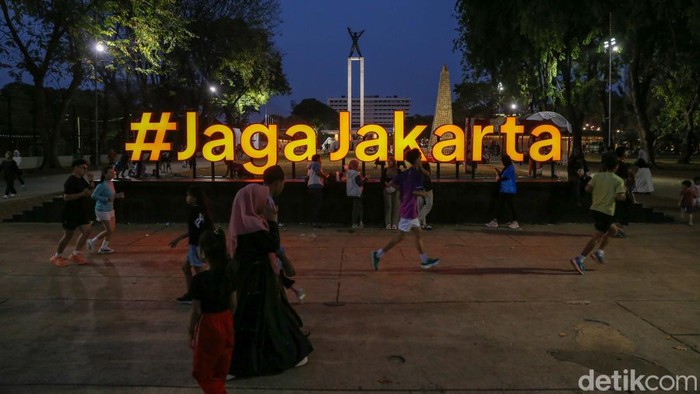
If successful, this initiative could serve as a model for other rapidly urbanizing cities in Southeast Asia. It represents a fundamental recognition that public space is a right, not a privilege, and that the city belongs to its people at all hours of the day. The success of this endeavor will hinge on transparent communication, community involvement, and a steadfast commitment to the safety of all citizens. As the administration prepares for the next phase of its review, the potential for a more accessible Jakarta remains one of the most promising urban policy developments of the year 2026. The coming months will be critical in determining whether these 76 parks will truly become the beating, nocturnal heart of the city.