South Korea has firmly established itself as one of the premier global tourism hotspots, drawing millions of international visitors annually, with a particularly strong influx of travelers from Southeast Asia, including Indonesia. This remarkable surge in tourism is largely attributed to the global phenomenon known as the Hallyu wave—the widespread popularity of South Korean culture, music, and television dramas. As streaming platforms continue to make Korean dramas easily accessible worldwide, fans increasingly desire to step out of their living rooms and physically immerse themselves in the cinematic backdrops that serve as settings for their favorite on-screen romances and melodramas. Beyond the traditional historical palaces and bustling night markets, modern South Korea offers a diverse array of urban landscapes, cultural hubs, and architectural marvels that evoke the distinct aesthetic of contemporary Korean television.
To provide a comprehensive guide for travelers seeking both aesthetic appeal and cultural depth, this article examines several standout destinations across the Korean Peninsula. These locations not only offer picturesque views and vibrant atmospheres but also capture the essence of modern metropolitan life and artistic expression as depicted in popular media.
The Evolution of Korean Tourism and the Hallyu Phenomenon
The dramatic growth of South Korea’s tourism industry over the past two decades is not a coincidence, but rather the result of a concerted strategic effort by both the public and private sectors to leverage cultural exports. Beginning in the late 1990s with the initial wave of Korean dramas and K-pop music across East Asia—a phenomenon coined Hallyu or the Korean Wave—the government recognized the potential of soft power. Cultural tourism agencies began partnering with production companies to showcase scenic locations, urban developments, and traditional heritage sites.
By the 2010s, the global expansion of digital streaming platforms transformed regional fandom into a worldwide movement. Statistics from the Korea Tourism Organization (KTO) prior to the pandemic highlighted a steady year-on-year increase in visitor arrivals, with a significant demographic identifying pop culture media as their primary motivator for travel. For international tourists, visiting these locations bridges the gap between passive consumption and active participation in the Korean lifestyle. Urban planners and local businesses have subsequently adapted, transforming ordinary commercial districts and cultural quarters into destination-worthy landmarks tailored to pedestrian exploration and photography.
Geonbae: Immersive Metropolitan Nightlife
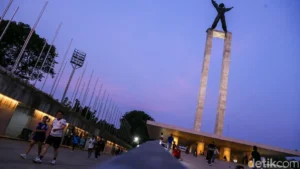
For travelers eager to experience the pulsing energy of South Korea’s contemporary urban nightlife, districts lined with modern establishments offer an authentic taste of city living. While the original source text highlights specific localized strips, the broader metropolitan concept—typified by districts like Itaewon, Hongdae, and Gangnam—serves as the quintessential backdrop for urban Korean dramas.

Characterized by vibrant neon signage, eclectic architecture, and a seamless blend of traditional drinking establishments and modern cocktail bars, these areas come alive after sunset. The atmosphere is energetic yet accessible, attracting a diverse demographic of local professionals, university students, and international tourists. Tourism analysts note that these districts play a crucial economic role, driving nighttime consumer spending and offering a window into the social habits of urban South Koreans. For visitors, walking down these bustling corridors evokes the familiar tropes of K-drama protagonists navigating career stress, romantic encounters, and late-night camaraderie over food and drinks.
Daehakro: The Cultural and Theatrical Heart of Seoul
Shifting from commercial nightlife to artistic expression, Daehakro stands as Seoul’s premier destination for performing arts. Translating literally to "College Road," this vibrant 1.6-kilometer stretch earned its name due to its historical proximity to the former campus of Seoul National University’s College of Law. Although the university main campus relocated in the 1970s and 1980s, the intellectual and artistic spirit of the area remained deeply embedded in its infrastructure.
Often compared to London’s West End or New York City’s Broadway, Daehakro is densely packed with over a hundred small-to-medium-sized theaters, live music venues, art galleries, and experimental performance spaces. Unlike the commercialized entertainment districts, Daehakro maintains a bohemian charm. Visitors can walk along the pedestrian-friendly pathways and encounter street musicians, impromptu theatrical previews, and public art installations.
Cultural economists and city planners view Daehakro as a vital incubator for independent Korean artists. The district provides a platform for contemporary plays, indie musicals, and avant-garde performances that rarely reach mainstream commercial venues. For the traveling cinephile, Daehakro offers a deeper look past the glossy surface of televised media into the raw, grassroots creative community that fuels South Korea’s cultural renaissance.
Starfield Library: Architectural Grandeur and Literary Haven
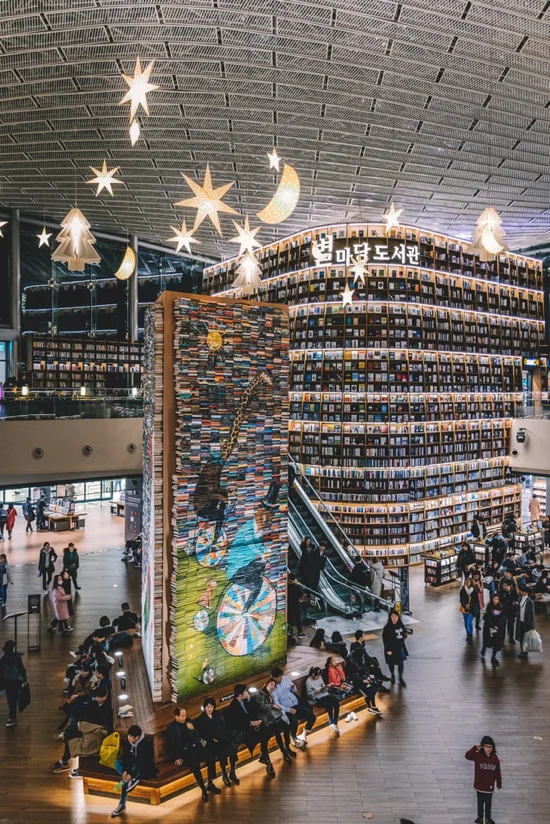
For a different pace of travel that combines modern architectural ambition with quiet intellectual pursuit, the Starfield Library in the Gangnam district of Seoul represents a masterclass in public interior design. Located in the heart of the massive COEX Mall, this open-public cultural space has quickly become one of the most photographed interior locations in the capital.
Spanning over 2,800 square meters, the library is anchored by three colossal, towering bookshelves that reach an astonishing height of 13 meters. Housing more than 50,000 books, magazines, and digital reference materials, the space is designed without restrictive walls or security gates, encouraging casual browsing and communal gathering. Natural light floods the area through a massive glass glasshouse-style ceiling, creating a luminous environment during the day and a sophisticated, softly lit ambiance at night.

The establishment of the Starfield Library in 2017 marked a strategic shift in retail real estate development in South Korea, prioritizing public cultural amenities over pure commercial retail space to draw foot traffic. Urban development experts have praised the initiative for successfully transforming a subterranean shopping complex into a community-centric cultural landmark. For travelers, the library offers a peaceful respite from the high-octane energy of the city streets while serving as a stunning visual testament to modern architectural design.
Broader Economic Impact and Future Outlook of Hallyu Tourism
The integration of media and tourism—often studied under the umbrella of "set-jetting" or film tourism—carries profound economic implications for South Korea. According to economic impact assessments conducted by the Hyundai Research Institute, popular cultural exports generate substantial secondary economic activity, boosting sectors ranging from hospitality and retail to fashion and culinary arts.
When international visitors frequent locations featured in dramas, local small businesses, independent cafes, and traditional markets experience direct revenue growth. Furthermore, the sustained interest in Korean culture acts as a resilient buffer for the tourism sector, encouraging repeat visitation as fans return to explore lesser-known provinces beyond the capital city of Seoul.
Industry stakeholders and municipal authorities continue to invest heavily in infrastructure improvements, multilingual signage, and tourist-friendly digital applications to streamline the visitor experience. As international travel normalizes in the post-pandemic era, South Korea’s ability to constantly refresh its cultural narratives ensures that its tourism appeal will remain dynamic and forward-looking.
Conclusion
South Korea’s charm lies in its ability to seamlessly bridge ancient tradition with hyper-modern innovation. Whether one is seeking the electric metropolitan pulse of districts akin to Geonbae, the artistic and theatrical heritage of Daehakro, or the architectural splendor of the Starfield Library, the country offers a multi-layered travel experience. By understanding the cultural context, historical background, and economic impact of these destinations, travelers can move beyond simple sightseeing and gain a deeper appreciation for the vibrant society that continues to captivate a global audience.