Chiang Rai, located in the northernmost reaches of Thailand, is widely recognized for its profound cultural landscape and architectural wonders, such as the iconic White Temple (Wat Rong Khun) and the Blue Temple (Wat Rong Suea Ten). However, a burgeoning narrative within the region’s tourism sector emphasizes that the true essence of Chiang Rai is increasingly found within its culinary heritage. Beyond the sightseeing itineraries, the city has become a hub for sophisticated gastronomic experiences that bridge the gap between traditional Lanna flavors and modern culinary techniques. During a recent visit to the Kahavadi Chiang Rai, Curio Collection by Hilton—a visit facilitated by Scoot—the depth of this northern Thai culinary identity became evident, revealing a sophisticated intersection of local agriculture, history, and hospitality.
The Lanna Culinary Context
To understand the food culture of Chiang Rai, one must first look at the Lanna Kingdom, which historically occupied Northern Thailand. Unlike the central Thai cuisine found in Bangkok, which is often characterized by a delicate balance of sweetness, sourness, and high spice levels, Lanna cuisine relies heavily on fresh herbs, forest-gathered ingredients, and bitter profiles.
The regional diet is deeply rooted in the geography of the Golden Triangle. Rice, specifically sticky rice (khao niao), serves as the foundation of every meal. The culinary identity of this region is defined by dishes like Khao Soi (a coconut curry noodle soup), Sai Oua (a spicy northern Thai sausage infused with kaffir lime leaves and lemongrass), and Nam Prik Ong (a tomato-based chili dip). These dishes are not merely food; they are historical markers that reflect the trade routes, ethnic diversity, and mountainous climate of Chiang Rai.
Arrival and Sensory Introduction: The Dragon Blood Tea
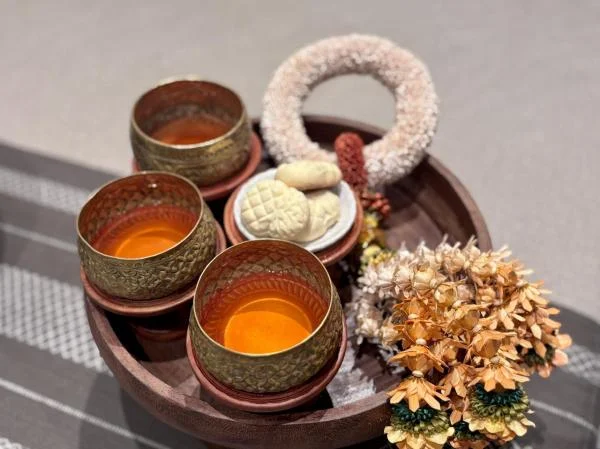
Upon arriving at the Kahavadi Chiang Rai, the immediate introduction to local culture is orchestrated through the "Dragon Blood Tea." This welcome beverage, characterized by its deep, vibrant red hue, is more than a refreshment; it is a symbolic gesture of the region’s botanical richness.
The tea is derived from the Dracaena tree, commonly known as the Dragon Blood tree, which produces a distinctive red resin. In northern Thai traditions, this resin has long been associated with medicinal properties, including anti-inflammatory and antiseptic benefits. The hotel’s decision to feature this as a welcome drink serves as a strategic integration of local folklore and health-conscious tourism. For the modern traveler, this experience sets a tone of authenticity, shifting the focus from mass-market hospitality to a curated narrative of the northern Thai highlands.
Chronology of a Culinary Exploration
The journey through the flavors of Chiang Rai can be viewed as a three-part progression: the ritual of arrival, the immersion in local street-style gastronomy, and the elevated fine-dining experience.
Day 1: The Ritual of Arrival
The experience began with the aforementioned Dragon Blood Tea, accompanied by small bites of local sweets. This initial interaction is designed to ground the traveler in the local terroir. The infusion of local flora into the guest experience is a hallmark of the hospitality strategy in Chiang Rai, where luxury brands are increasingly competing to provide "sense of place."

Day 2: Market Dynamics and Traditional Flavors
A visit to the local markets, often a staple in the itineraries curated by the hotel’s concierge, offers a glimpse into the supply chain that fuels these luxury resorts. Chiang Rai’s markets are dominated by the trade of high-altitude tea leaves, coffee beans, and fresh produce. The integration of these local ingredients into the hotel’s kitchen is a critical economic driver for local farmers.
Day 3: The Fine Dining Synthesis
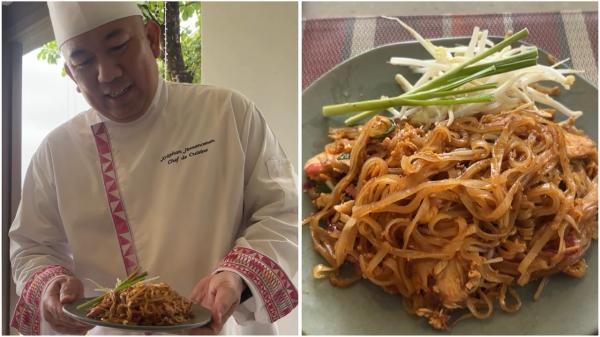
The climax of the gastronomic journey was a specifically prepared fine-dining menu. Here, the culinary team at Kahavadi Chiang Rai focused on reinterpreting ancestral recipes. By utilizing techniques such as sous-vide cooking for traditional meats or deconstructing the components of a northern curry, the resort bridges the gap between the humble roadside stalls of the city and the global standards expected by international tourists.
Supporting Data and Economic Implications
Tourism in Chiang Rai has seen a robust recovery, with food tourism playing a central role in the province’s growth strategy. According to the Tourism Authority of Thailand (TAT), Northern Thailand has seen a 15% year-on-year increase in tourist expenditure related to food and beverage services.
The presence of high-end brands like the Curio Collection by Hilton in Chiang Rai reflects a shift in the traveler profile. Visitors are staying longer—moving from the typical 48-hour temple-run itinerary to a 4-to-5-day stay that includes workshops on local cooking, coffee plantation tours, and "slow food" excursions. This shift is essential for the local economy, as it disperses tourism revenue beyond the city center and into the rural communities that supply the hotels.

Official Perspectives on Gastronomy
Representatives from the regional hospitality sector have frequently noted that "culinary diplomacy" is a vital tool for sustainable tourism. By emphasizing the unique Lanna identity, hotels and restaurants are insulating themselves against the homogenization of global food trends.
"When a guest chooses to eat locally sourced, traditionally prepared dishes, they are directly supporting the preservation of our heritage," said a local hospitality manager during the visit. "Our goal is to ensure that the guest experiences the complexity of the northern palate—the earthiness of the spices, the freshness of the mountain herbs, and the history behind the ingredients."
Broader Impact: Sustainability and Local Integration
The impact of this culinary focus extends beyond the palate. It creates a closed-loop economic system. When high-end resorts procure ingredients directly from Chiang Rai’s mountain farmers, it provides a stable income for the local agricultural sector. Furthermore, it encourages the preservation of heirloom varieties of vegetables and spices that might otherwise be lost to mass-commercial agriculture.
The rise of the "gastronomic traveler" also puts pressure on local infrastructure to maintain high standards of hygiene and presentation, which, in turn, benefits the local community. It is a mutually reinforcing cycle: the tourist receives an authentic, high-quality experience, and the host community receives increased demand for their traditional craftsmanship.

Future Outlook
As Chiang Rai continues to develop as a destination, the narrative is moving away from the "must-see" checklist of temples toward a "must-experience" culture of living. The integration of specialized dining—from the medicinal teas of the Lanna people to the sophisticated fusion of modern Thai cuisine—is the next frontier for the region.
The experience provided by establishments like the Kahavadi Chiang Rai demonstrates that luxury is no longer just about the comfort of the room, but about the intellectual and sensory engagement with the destination. By elevating local flavors to a global standard, Chiang Rai is successfully carving out a niche that appeals to the sophisticated, socially conscious traveler who seeks meaning in their journey.
In conclusion, the culinary landscape of Chiang Rai is a testament to the region’s ability to adapt. By honoring its historical roots while embracing contemporary standards of service and presentation, the city is positioning itself as a premier destination for those who wish to explore the world, one bite at a time. The Dragon Blood Tea served on arrival is not merely a drink; it is an invitation to engage with a culture that is rich, resilient, and ready to be tasted.