Yogyakarta is undergoing a strategic transformation in its tourism landscape, moving beyond its traditional reputation as a center for historical monuments and culinary heritage to become a leading destination for wellness tourism. This shift, anchored in the integration of ancient cultural practices with modern health standards, has been bolstered by the significant success of the Jogja Cultural Wellness Festival (JCWF). Recent data indicates that this initiative is not only preserving local traditions but also serving as a potent catalyst for economic growth and community development within the Special Region of Yogyakarta.
The evolution of Yogyakarta’s tourism sector reflects a broader global trend where travelers increasingly prioritize mental, physical, and spiritual well-being. By positioning itself as a "wellness-centric" destination, the region leverages its deep-rooted history of traditional medicine, such as the use of jamu (herbal tonics), and the meditative tranquility of its Javanese cultural environment.
The Success of the Jogja Cultural Wellness Festival
The Jogja Cultural Wellness Festival has emerged as the cornerstone of this strategic pivot. During its most recent iteration, the festival attracted 3,368 participants, a figure that highlights the growing consumer interest in experiential travel that emphasizes personal health and holistic healing. According to a rapid assessment released by the Ministry of Tourism, the festival generated an estimated economic turnover of Rp6.1 billion.
This financial impact is particularly significant as it demonstrates the viability of niche tourism markets. While traditional tourism in Yogyakarta often relies on high-volume, short-duration visits to sites like Borobudur or the Kraton, wellness tourism encourages longer stays and deeper engagement with local providers. This shift suggests a potential increase in the average spending per tourist, a key metric for sustainable tourism development.
A Multi-Stakeholder Ecosystem
The success of the JCWF is not the result of a single entity’s efforts but rather a concerted collaboration between government bodies, the private sector, and local communities. The festival served as a platform for 73 institutional partners and 96 Micro, Small, and Medium Enterprises (MSMEs). By integrating these businesses into the wellness supply chain, the festival ensured that the economic benefits were distributed among local stakeholders, from traditional herbalists to local hospitality providers.
The human capital involved in the event was equally substantial, with 1,335 workers directly supported through the festival’s operations. This demonstrates that the wellness tourism model is labor-intensive and capable of creating meaningful employment, ranging from event management and hospitality to specialized wellness instruction and traditional healthcare services.
Official Perspectives and Government Strategy
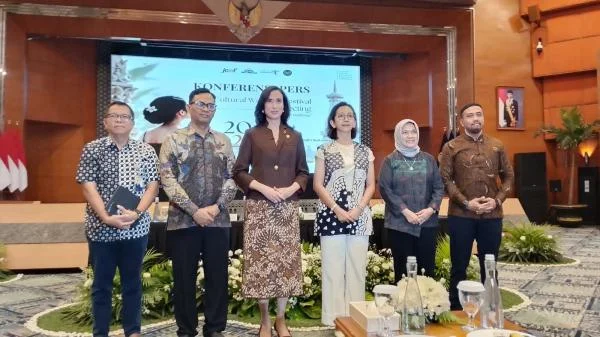
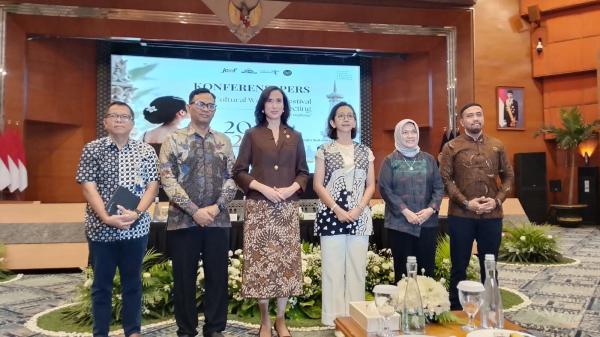
Minister of Tourism Widiyanti Putri Wardhana, speaking at a press conference at the Sapta Pesona Building on October 30, 2026, underscored the significance of these figures. The Minister emphasized that the festival acts as a blueprint for how cultural assets can be leveraged to drive macroeconomic stability at the local level.
"Capaian ini memperlihatkan bagaimana penyelenggaraan festival dapat menggerakkan kegiatan ekonomi sekaligus menciptakan kesempatan kerja bagi masyarakat lokal," stated Minister Widiyanti. Her remarks reflect a government mandate to diversify Indonesia’s tourism offerings to reduce dependency on mass tourism, which is often more susceptible to external shocks. By fostering a wellness ecosystem, the Ministry aims to create a more resilient tourism sector that can withstand shifts in global travel preferences.
Historical Context and the Evolution of Wellness in Jogja
Yogyakarta’s identity as a wellness destination is not a recent invention but a modern formalization of centuries-old practices. The Javanese philosophy of "Manunggaling Kawula Gusti" and the focus on "keseimbangan" (balance) have long dictated the lifestyle of the local population. Traditional practices like jamu preparation—a practice recently recognized for its cultural value—serve as the foundation for this wellness movement.
Over the past decade, the Indonesian government has recognized the economic potential of "health tourism." While initially focused on medical tourism, the strategy has broadened to include "wellness tourism," which encompasses preventative health, stress management, yoga, meditation, and organic nutrition. Yogyakarta, with its serene rural landscapes and its proximity to world-class hospitality infrastructure, was identified as the ideal pilot region for this transition.
Economic Implications and Future Outlook
The economic impact of Rp6.1 billion represents only the direct, measurable revenue generated during the festival period. However, the indirect benefits are likely to be far more substantial. By establishing Yogyakarta as a brand associated with wellness, the region is likely to see an increase in year-round tourism, as visitors return for specialized wellness retreats or treatments that were showcased during the festival.

Analysts suggest that the focus on sustainability, as evidenced by initiatives like the "Artisan Market" which encourages recycling by offering free entry in exchange for plastic bottles, is crucial for long-term appeal. Modern travelers, particularly those interested in wellness, are often environmentally conscious. Aligning health-focused tourism with environmental stewardship ensures that Yogyakarta remains competitive in a market that prioritizes ethical and sustainable travel experiences.
Challenges and Opportunities for Growth
Despite the positive momentum, the industry faces challenges in scaling these initiatives. Maintaining the authenticity of traditional wellness practices while scaling them for international tourists requires careful management. There is a risk that commercialization could dilute the cultural value of practices like traditional massage or herbal medicine.
To mitigate this, the Ministry of Tourism and local stakeholders are focusing on standardized training for practitioners. By formalizing these skills, the region can ensure that tourists receive high-quality, safe, and culturally accurate experiences. Furthermore, the integration of digital platforms, such as those used for the festival’s marketing and ticketing, is essential for reaching international audiences who are accustomed to seamless booking experiences.
The Role of MSMEs in the Wellness Value Chain
The inclusion of 96 MSMEs in the JCWF is a vital aspect of the festival’s success. Many of these businesses are family-owned enterprises that have preserved traditional knowledge across generations. By providing them with a platform, the festival has helped these businesses bridge the gap between traditional practices and the demands of modern commerce.
The government’s support for these businesses is not limited to the duration of the festival. There is an ongoing effort to provide technical assistance, marketing support, and access to funding to ensure that these enterprises can operate throughout the year. This approach turns the festival into a catalyst for permanent growth rather than a transient event.
A Vision for 2027 and Beyond
As Yogyakarta looks toward the future, the lessons learned from the 2026 JCWF will be instrumental. The focus will likely shift toward expanding the reach of the festival and creating a year-round calendar of wellness-related events. This would allow the city to avoid the "peak-and-trough" cycles of traditional tourism, creating a more stable income stream for local businesses and workers.

Furthermore, the integration of wellness into broader regional planning, such as developing "wellness corridors" that link traditional markets with retreat centers in rural areas, could significantly enhance the visitor experience. This connectivity would encourage tourists to spend more time exploring the region, thereby spreading the economic benefits beyond the urban center of Yogyakarta.
Conclusion: A Sustainable Path Forward
The success of the Jogja Cultural Wellness Festival serves as a testament to the power of aligning heritage with contemporary market trends. By investing in wellness tourism, Yogyakarta is not only preserving its cultural identity but is also positioning itself as a global leader in a rapidly growing sector.
The data provided by the Ministry of Tourism confirms that when cultural integrity is paired with smart economic planning, the results are both profitable and sustainable. As the world continues to navigate the complexities of modern life, destinations that offer a path to rejuvenation and health will become increasingly valuable. Yogyakarta, with its unique blend of tradition, spirituality, and natural beauty, is well-positioned to meet this demand, ensuring that the benefits of its cultural heritage continue to support its people for generations to come.
The commitment shown by stakeholders during the 2026 festival provides a clear roadmap for the future. By maintaining a focus on quality, sustainability, and community inclusion, Yogyakarta’s transition into a premier wellness destination stands as a model for other regions in Indonesia and beyond. The transformation is well underway, and if the latest figures are any indication, the city is on the right path toward a healthier, more prosperous future.