
The paradigm of personal investment has undergone a profound transformation over the past decade, shifting away from traditional asset accumulation toward experiential consumption. For millennials and Generation Z, lifestyle traveling has evolved from an occasional leisure activity into a core foundational value. Increasingly, younger demographics are prioritizing the acquisition of life experiences, cultural fluency, and personal growth over conventional financial milestones such as purchasing real estate or luxury vehicles during their early adulthood.
This sociological shift represents a significant departure from the financial priorities of previous generations. Historically, young adults focused heavily on long-term monetary security and physical assets as the primary markers of stability and success. Today, however, the proliferation of low-cost carriers, accessible digital booking platforms, and the normalization of remote work have democratized global mobility. Supported by an interconnected digital ecosystem where travel inspiration is readily available via social media, contemporary youth view exploration not as a temporary escape, but as an essential component of personal development and identity formation.
Economic and Sociological Context of Experiential Travel
The economic landscape inhabited by younger generations has heavily influenced this behavioral pivot. High housing costs in major urban centers and shifting labor markets have made traditional milestones like homeownership increasingly elusive for entry-level and mid-level earners. Consequently, capital that might have once been funneled into long-term savings is frequently reallocated toward flexible, immediate returns in the form of travel and self-actualization.
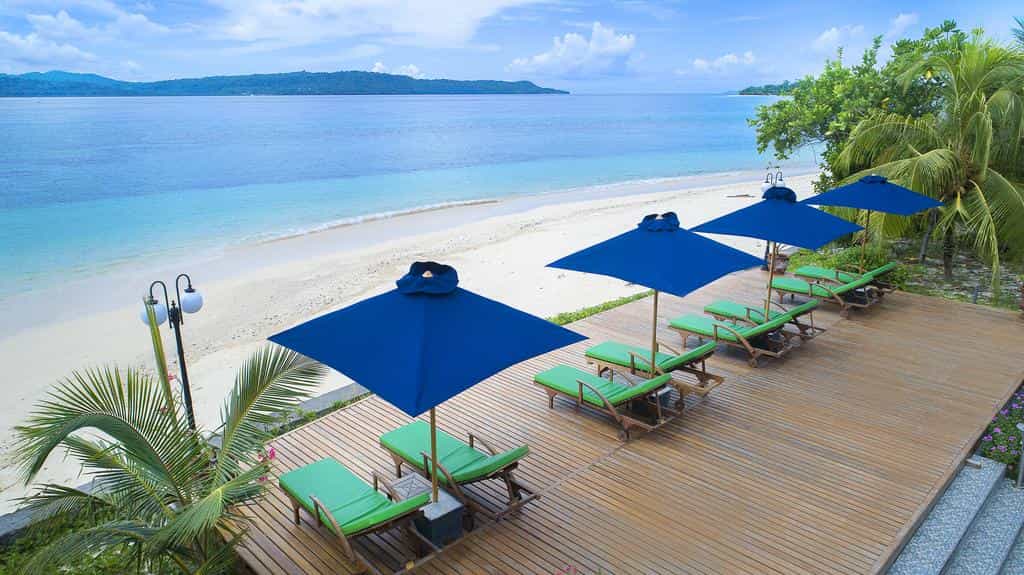
Market research indicates that modern consumers, particularly those under the age of forty, consistently place a higher subjective value on memories, skill acquisition, and global awareness than on physical possessions. Psychologists and sociologists note that experiential investments yield higher long-term psychological satisfaction because they contribute to personal narrative and social connectivity without the burdens of depreciation and maintenance associated with material goods.
Furthermore, the rise of the gig economy and remote employment models has blurred the lines between labor and leisure. Digital nomads and location-independent professionals have operationalized lifestyle travel, proving that sustained movement across different cultural landscapes is entirely compatible with professional productivity. This structural change in how work is performed has permanently altered the barrier to entry for long-term travel, turning what was once a retirement privilege into a contemporary lifestyle choice.
Psychological and Developmental Implications
Beyond mere recreation, lifestyle traveling serves as an intensive incubator for psychological resilience and cognitive flexibility. Traveling independently or immersing oneself in unfamiliar cultural environments forces individuals out of structured comfort zones. Sociologists emphasize that navigating unfamiliar cities, managing language barriers, and resolving logistical crises in foreign territories build profound self-reliance.
When travelers step away from familiar support networks, they are compelled to confront unforeseen challenges directly. This process cultivates adaptability, emotional regulation, and problem-solving skills that translate directly back into professional and personal life. Observers note that individuals who regularly engage in immersive travel often demonstrate higher levels of empathy, cross-cultural competence, and open-mindedness compared to those with limited geographic exposure. By interacting with diverse communities, travelers develop a broader worldview that challenges insular perspectives and fosters global citizenship.

Practical Frameworks for Transitioning to a Travel-Centric Lifestyle
Embracing lifestyle travel does not require reckless abandonment of financial prudence, but it does demand a reconfiguration of priorities and risk tolerance. Industry experts and experienced long-term travelers highlight several foundational principles for successfully integrating continuous exploration into modern life.
Cultivating Intentional Courage and Overcoming Hesitation
A primary psychological barrier for prospective travelers is the persistent anticipation of risk and financial inadequacy. Many individuals postpone exploration indefinitely, waiting for a hypothetical financial threshold that is rarely reached. Transitioning to a travel lifestyle requires a shift in mindset: recognizing that the external world is rarely as perilous as media narratives suggest. Developing financial literacy, maintaining emergency safety nets, and adopting a minimalist approach to material possessions allow individuals to initiate travel plans with modest savings, relying on resourcefulness rather than excess capital.
Embracing Fluidity and Spontaneity
Rigid itineraries can inadvertently transform a journey of discovery into a stressful exercise in schedule management. Experienced travelers advocate for a balanced approach where broad destinations and structural milestones are planned, but daily schedules remain flexible. This openness to serendipity enables travelers to engage deeply with local communities, alter routes based on regional recommendations, and respond organically to unexpected opportunities. Letting go of absolute control often leads to the most memorable and transformative experiences of a journey.
Mastering Cross-Cultural Adaptability
The cornerstone of sustainable lifestyle travel is the ability to integrate into diverse social environments with humility and respect. Cultural fluency involves more than observing local customs; it requires active listening, patience, and a willingness to suspend judgment. Adapting to varying societal norms, culinary traditions, and communication styles deepens the quality of interactions and ensures that travel remains a respectful exchange rather than a superficial consumption of foreign landscapes.

Macroeconomic and Industry Outlook
The continuous mainstream adoption of lifestyle travel has generated profound ripples across the global tourism, hospitality, and transportation sectors. Traditional hospitality models are experiencing high demand for accommodations that cater to long-term stays, co-living spaces, and community-driven environments rather than standard resort vacations. Tourism boards and local economies are increasingly adapting to accommodate slow travelers—individuals who spend weeks or months in a single location rather than rushing through multiple destinations in a matter of days.
This trend also promotes sustainable tourism practices when managed responsibly. Slow travel typically reduces the carbon footprint associated with frequent short-haul flights and encourages more equitable distribution of tourist revenue into local, non-corporate economies. By supporting local markets, independent guesthouses, and regional service providers, lifestyle travelers contribute meaningfully to the micro-economies of the regions they visit.
Broader Impact and Future Outlook
Ultimately, the elevation of lifestyle traveling from a niche subculture to a mainstream generational norm reflects a deeper reevaluation of what constitutes a successful life. As younger cohorts continue to navigate an unpredictable economic and technological landscape, the prioritization of experiential learning and personal autonomy remains steadfast.
By investing in memories, cross-cultural understanding, and personal resilience, modern travelers are constructing a new paradigm of wealth—one measured not by bank statements or physical assets, but by the breadth of one’s perspective and the depth of one’s lived experiences. As remote work infrastructure expands and global connectivity deepens, lifestyle travel is poised to remain a defining cultural movement of the twenty-first century, permanently altering how humanity defines exploration, growth, and personal fulfillment.