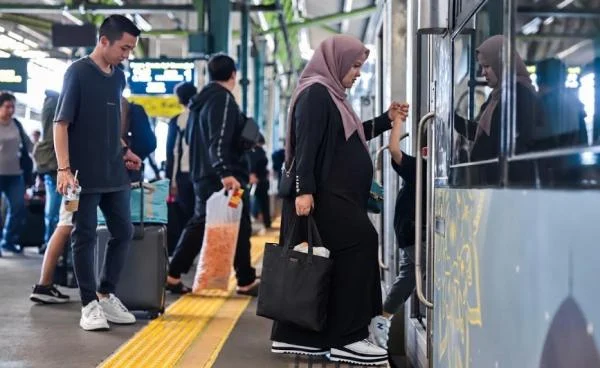
The management of PT Kereta Api Indonesia (Persero) Daop 1 Jakarta has officially reinforced its regulatory framework concerning the carriage of pregnant passengers on long-distance railway services. This policy, which emphasizes passenger safety and medical readiness, necessitates that expectant mothers within specific gestational windows adhere to standardized documentation and accompaniment protocols. As rail travel continues to be a primary mode of transportation for thousands of daily commuters and long-haul passengers in Indonesia, these measures are designed to mitigate health risks associated with the physical demands of long-duration transit.
The Scope of the New Mandates
According to the official directive issued by KAI Daop 1 Jakarta, the regulatory focus is specifically targeted at pregnant women whose gestational age falls outside the "low-risk" window, defined by the operator as less than 14 weeks or more than 28 weeks. For these passengers, the transition from voluntary safety guidelines to mandatory compliance is intended to ensure that KAI staff and medical personnel are adequately prepared to handle emergencies.
Manager of Public Relations for KAI Daop 1 Jakarta, Franoto Wibowo, stated that the implementation of these rules is not merely an administrative hurdle but a clinical necessity. By requiring formal documentation and a designated support person, the railway operator aims to minimize the occurrence of mid-transit medical incidents that could require unscheduled train stops or emergency interventions in environments where specialized obstetric care is not immediately available.
Essential Documentation and Accompaniment Requirements
The policy mandates two fundamental pillars of compliance for expectant mothers traveling in the identified risk categories. First, passengers must present a formal medical certificate issued by a certified obstetrician or a licensed midwife. This document must explicitly state the current gestational age of the passenger and confirm that the individual is in a stable state of health suitable for travel. The document serves as a critical diagnostic record, allowing onboard personnel to understand the medical status of the passenger should they need to coordinate with medical services at the next station.
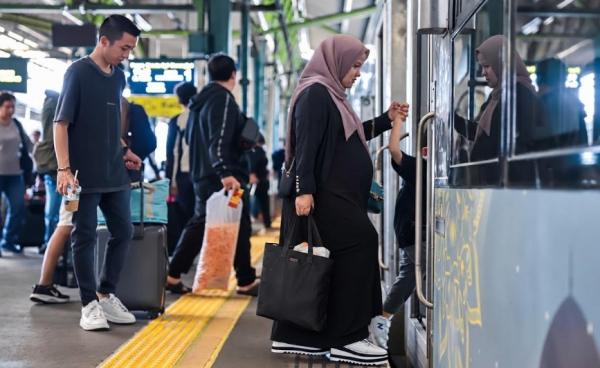
Second, the requirement for a mandatory companion is non-negotiable. Every pregnant passenger falling within the specified gestational range must be accompanied by at least one adult individual for the duration of the journey. This companion serves as a primary point of contact for the train crew and is responsible for assisting the passenger with daily needs, mobility, and communication with the train staff. The policy recognizes that in a crowded, high-speed rail environment, a support system is vital to manage the fatigue and physical discomfort that long-distance travel can impose on an expectant mother.
Clinical Context and Safety Rationale
The selection of the 14-week and 28-week thresholds aligns with standard obstetric guidance regarding pregnancy stages. The first trimester, concluding around the 14th week, is often associated with morning sickness, fatigue, and an increased risk of miscarriage in some patients. Conversely, the period beyond 28 weeks enters the third trimester, where the risk of preterm labor, preeclampsia, and physical strain significantly increases.
From a clinical perspective, the vibration, air pressure changes, and prolonged immobility inherent in long-distance rail travel can pose risks to pregnant individuals. Deep Vein Thrombosis (DVT), a concern for any long-distance traveler, is exacerbated during pregnancy due to increased blood volume and changes in coagulation factors. By requiring a medical clearance, KAI ensures that a professional assessment of the passenger’s specific health status—such as the presence of placenta previa or high blood pressure—has been conducted prior to boarding.
Historical Context and Evolution of Rail Safety
The current guidelines represent a culmination of years of operational adjustments by PT Kereta Api Indonesia. Historically, rail travel in Indonesia was less regulated regarding passenger health, leaving the burden of safety primarily on the individual. However, as the rail network has modernized—introducing faster, more comfortable, and longer-distance train sets—the profile of the average passenger has diversified.
The increase in long-distance inter-city travel, particularly during holiday periods such as Lebaran (Eid al-Fitr) or end-of-year festivities, has prompted KAI to professionalize its passenger management systems. In previous years, incidents involving medical emergencies on board necessitated emergency braking or unscheduled stops at stations lacking adequate medical facilities. Such events cause significant delays for thousands of other passengers and put the health of the expectant mother at risk due to the lack of specialized equipment. These new requirements function as a proactive barrier, ensuring that only those who are fit for travel undertake the journey, thereby protecting both the passenger and the efficiency of the national rail network.

Operational Impact and Passenger Compliance
For the average passenger, these regulations necessitate advanced planning. KAI has encouraged expectant mothers to consult their healthcare providers at least 48 to 72 hours before their scheduled departure to ensure they possess the required medical documentation. This administrative preparation is essential, as station personnel are authorized to deny boarding to passengers who fail to produce the required documents or who arrive without the mandatory companion.
The impact on ticket sales and passenger logistics is expected to be minimal, as these rules do not prohibit travel but rather standardize the safety protocols surrounding it. For the operator, the primary challenge remains the verification process at the boarding gate. KAI has invested in training its frontline staff to conduct these checks with sensitivity, ensuring that the privacy of the expectant mother is maintained while ensuring full adherence to the safety protocols.
Broader Implications for Public Transportation
The move by KAI Daop 1 Jakarta sets a precedent for public transportation safety in Indonesia. As other modes of transport, such as domestic airlines and inter-provincial bus services, continue to refine their own safety standards, the rail sector’s focus on the "vulnerable passenger" category serves as a model for public-private cooperation in health safety.
Industry analysts suggest that this policy could be expanded in the future to include digital integration. Currently, passengers must carry physical documents, but there is potential for integrating medical clearance status into the KAI Access mobile application. Such an integration would streamline the boarding process, allowing station staff to verify eligibility via QR code scanning rather than manual document review, thereby reducing bottlenecks at the gates.
Furthermore, the emphasis on companionship highlights the social responsibility component of public transit. By codifying the need for an assistant, KAI is implicitly acknowledging that its services, while technologically advanced, are human-centric. The requirement for a companion ensures that the railway operator is not solely responsible for the medical well-being of the passenger, but rather acts as a partner in a tripartite safety arrangement involving the medical practitioner, the passenger, and their support system.

Challenges and Future Considerations
While the policy is robust, critics and passenger advocacy groups point to the potential for inconsistency in enforcement across different regional operation areas (Daops). While Daop 1 Jakarta covers the capital and its surrounding regions, ensuring that these rules are applied with the same rigor in remote stations remains a logistical challenge. Consistent training for staff in rural stations, where access to medical verification tools might be more limited, will be essential for the success of this policy.
Additionally, KAI must ensure that the communication of these rules remains transparent. Many passengers may be unaware of these specific age-of-pregnancy requirements, leading to potential frustration at the point of embarkation. Continued outreach through social media channels, station signage, and notification during the ticket booking process is necessary to prevent last-minute disruptions for families and expectant mothers.
Conclusion
The implementation of these safety requirements by PT Kereta Api Indonesia is a necessary evolution in the context of national transport modernization. By formalizing the medical documentation and accompaniment requirements for pregnant women, KAI is prioritizing the health of its passengers and the operational integrity of the rail network. As Indonesia continues to develop its infrastructure, such proactive safety measures serve as a benchmark for the standards that public transportation providers should strive to uphold. While the rules require additional effort from the passenger, the long-term benefit of a safer, more predictable travel environment for expectant mothers is a goal that aligns with broader public health objectives and national safety standards. Moving forward, the effectiveness of this policy will depend on the vigilance of the staff and the cooperation of the public in adhering to the guidelines that protect the most vulnerable during the rigors of transit.