Immediately following a devastating communal clash that claimed at least three lives, injured numerous residents, and razed dozens of homes in East Adonara District, Flores Timur Regency, East Nusa Tenggara (NTT), Minister of Human Rights (HAM) Natalius Pigai has swiftly mandated a comprehensive intervention. On Sunday, July 19, 2026, Minister Pigai directed the Regional Office of the Ministry of Human Rights NTT (Kanwil Kemenham NTT), in conjunction with his special staff, to spearhead efforts to de-escalate and resolve the volatile situation, with a distinctive emphasis on a culturally sensitive approach. This directive underscores the government’s profound concern regarding the escalating violence in a region prone to communal strife, signaling a strategic shift towards leveraging indigenous conflict resolution mechanisms to foster sustainable peace and reconciliation. The minister’s insistence on engaging local customs and traditional leaders stems from a conviction, honed through extensive experience, that such methods offer a more profound and enduring solution compared to conventional law enforcement interventions alone.
The Adonara Conflict: A Deepening Crisis
The recent violence in Adonara, an island renowned for its breathtaking natural beauty but also its complex social dynamics, represents a tragic setback for peace and stability in Flores Timur. Preliminary reports confirm that the clash between two unidentified villages resulted in the confirmed deaths of three individuals, a figure that tragically highlights the severity of the confrontation. Beyond the fatalities, scores of residents sustained injuries, ranging from minor to critical, requiring immediate medical attention. The material damage is equally staggering; dozens of homes were engulfed in flames, leaving families displaced and livelihoods shattered. The inferno not only destroyed physical structures but also eradicated years of accumulated possessions, personal histories, and the very fabric of community life for many.
Adonara Island, part of the larger Flores Timur Regency, is characterized by its rugged terrain, close-knit traditional communities, and a vibrant tapestry of adat (customary law) practices. Historically, such communities in Eastern Indonesia have experienced sporadic communal conflicts, often rooted in long-standing land disputes, competition over scarce natural resources like water or fishing grounds, perceived historical grievances, or even political affiliations during local elections. The isolated nature of many villages, coupled with a strong sense of group identity, can sometimes exacerbate tensions, leading to rapid escalation when disputes are not effectively mediated at an early stage. The current situation demands not only immediate humanitarian aid but also a robust, culturally informed strategy to prevent further bloodshed and address the underlying causes of friction.
Ministerial Mandate: A Shift Towards Cultural Diplomacy
Minister Pigai’s directive to the NTT Regional Office of the Ministry of Human Rights and his special staff is a clear signal of the central government’s commitment to a holistic approach to conflict resolution. The primary objective of the deployed team is to conduct a thorough field assessment, gathering comprehensive information on the post-conflict conditions. This includes documenting the extent of human suffering, material losses, and the prevailing sentiments among the affected communities. Such detailed monitoring is crucial for formulating targeted interventions that genuinely reflect the needs and realities on the ground.
Crucially, the minister emphasized that the findings from this assessment will serve as the foundation for coordinated efforts with various local stakeholders. These include the local government, traditional leaders (tokoh adat), religious leaders (tokoh agama), and other community representatives. This multi-stakeholder approach acknowledges that sustainable peace cannot be imposed from above but must emerge from within the affected communities, facilitated by their respected figures and institutions.
Understanding the ‘Adat’ Framework
The cornerstone of Minister Pigai’s strategy is the explicit reliance on a "cultural approach" or adat-based resolution. Adat refers to the indigenous, customary law and traditions that have governed social life, dispute resolution, and community harmony in Indonesia for centuries, particularly in regions like NTT. Unlike formal legal systems, adat prioritizes reconciliation, restoration of balance, and communal well-being over punitive measures. Its mechanisms often involve elaborate rituals, mediation by respected elders (mosalaki or other traditional titles depending on the specific community), and consensus-building processes designed to mend broken relationships and prevent future conflicts.
Minister Pigai’s advocacy for this approach is deeply rooted in his extensive experience in conflict zones across Indonesia. He firmly believes that in communities where traditional values and social structures remain strong, solutions derived from adat are far more effective than those solely reliant on state law enforcement. A purely security-focused intervention, while necessary for immediate containment, often fails to address the emotional scars, historical grievances, and complex social dynamics that fuel communal violence. It can suppress symptoms without healing the underlying disease, potentially leading to renewed outbreaks of conflict once security forces withdraw. The cultural approach, by contrast, seeks to tap into the moral authority of traditional leaders and the community’s collective wisdom to achieve genuine, long-term reconciliation.
Chronology of Escalation and Response
While the precise triggers for the latest Adonara conflict are still under investigation, a reconstruction of events leading to the ministerial intervention reveals a rapid escalation.
Roots of Discord
For months, simmering tensions may have existed between the two villages, potentially fueled by unresolved land boundary disputes, access rights to agricultural or fishing areas, or even historical clan rivalries. In Adonara, as in many parts of NTT, land is not merely an economic asset but also deeply intertwined with ancestral identity and customary rights, making disputes over it particularly volatile. Minor incidents, such as livestock straying into another village’s fields or arguments between individuals, can quickly ignite larger communal confrontations if not promptly mediated by local elders.
The Violent Outburst
The exact spark that ignited the recent bloody clash remains to be fully detailed, but eyewitness accounts suggest a sudden, violent confrontation. It likely began with a localized skirmish that rapidly drew in more residents from both sides, armed with traditional weapons. The chaotic nature of the conflict led to the tragic loss of life and a significant number of injuries. The targeting of homes, resulting in widespread arson, signifies a deeply destructive intent, characteristic of communal clashes where emotions run high and a desire for retribution can override reason. The intensity and scale of the destruction indicate a failure of early warning systems and local conflict mediation efforts to contain the dispute before it reached a critical point.
Initial Emergency Response
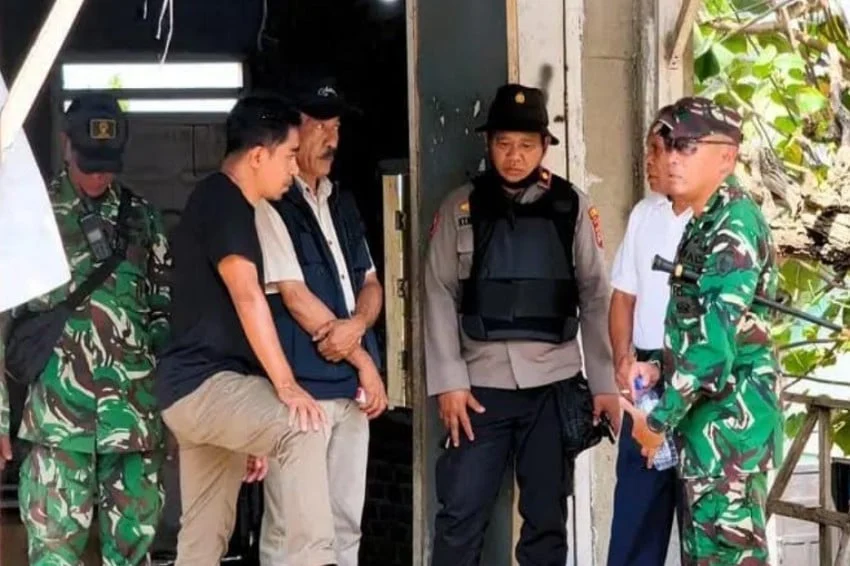
In the immediate aftermath of the violence, local police and military units were reportedly deployed to the area to establish a security perimeter, separate the warring factions, and prevent further escalation. Emergency medical teams were also mobilized to provide first aid and evacuate the injured to nearby health facilities. Humanitarian aid, including food, water, and temporary shelter, would have been urgently needed for the displaced families whose homes were destroyed. Local government officials would have initiated preliminary investigations and called for calm.
Central Government Intervention
Following the reports of fatalities and extensive damage, the incident quickly garnered national attention, prompting the swift response from the Ministry of Human Rights. Minister Pigai’s announcement on Sunday, July 19, 2026, marked a significant escalation in the level of government intervention, shifting the focus from mere security enforcement to a more strategic, long-term resolution framework. The deployment of the Kanwil Kemenham NTT team, coupled with the special staff from the central ministry, signals a coordinated effort to bring all available resources to bear on the Adonara crisis.
The Rationale for a Cultural Approach
Minister Pigai’s strong endorsement of the cultural approach is not an arbitrary decision but stems from a profound understanding of conflict dynamics in traditional Indonesian societies. He noted, "Based on experience handling cases there, we believe that an approach through cultural solutions is far more effective than policing." This statement encapsulates a critical insight: while police and security forces are indispensable for immediate crisis management and maintaining law and order, their methods are primarily focused on deterrence, investigation, and punishment. These methods, while necessary, often fail to address the deeply ingrained social and psychological dimensions of communal conflict.
In many indigenous communities, the concept of justice extends beyond legal retribution to include restorative elements, such as reconciliation, compensation, and the re-establishment of social harmony. Traditional dispute resolution mechanisms, guided by adat, are designed precisely for this purpose. They involve elders, often revered for their wisdom and impartiality, who facilitate dialogue, uncover root causes, and guide parties towards mutually acceptable solutions. These solutions frequently include apologies, traditional ceremonies to cleanse negative energy, and agreements on future conduct, all aimed at restoring the social fabric rather than simply penalizing individuals.
The involvement of traditional leaders and the utilization of customary mechanisms embedded within the community are vital for several reasons. Firstly, these mechanisms possess legitimacy and authority in the eyes of the local people, making agreements reached through them more likely to be honored. Secondly, they foster a sense of ownership over the resolution process, empowering communities to find their own paths to peace. Thirdly, they provide a platform for open dialogue where grievances can be aired and understood, leading to a deeper healing process. Without this deep engagement, conflicts can lie dormant, only to resurface later with renewed intensity.
Stakeholder Engagement and Coordination
The success of the cultural approach hinges on robust coordination and active participation from a wide array of stakeholders.
Local Government’s Role
The Flores Timur Regency government, led by its Regent, plays a critical role in facilitating the central government’s efforts. Local officials are responsible for providing administrative support, coordinating humanitarian aid, and ensuring that security forces maintain a conducive environment for dialogue. The Regent’s office is also crucial in bridging communication between the central government teams and the local communities, ensuring that the resolution process is culturally sensitive and contextually appropriate. Local government is expected to publicly endorse the cultural approach, lending it official backing and encouraging community participation.
Traditional Leaders (Tokoh Adat)
The ‘tokoh adat’ are the linchpins of the cultural approach. These respected elders, clan heads, and customary law practitioners possess unparalleled authority and understanding of the local social landscape. Their involvement is not merely symbolic; they actively mediate disputes, interpret customary laws, and guide their communities towards reconciliation. In Adonara, these leaders would convene traditional councils, lead peace ceremonies, and work to rebuild trust between the warring factions. Their wisdom and moral standing are indispensable for legitimizing any peace agreement and ensuring its adherence.
Religious Leaders (Tokoh Agama)
In a society where faith plays a significant role, religious leaders—whether Catholic priests, Protestant pastors, or Muslim imams—also hold considerable moral sway. They can preach messages of peace, forgiveness, and unity, reminding their congregations of shared human values and discouraging violence. Their influence can be particularly effective in calming tensions and fostering a spirit of reconciliation among their followers, complementing the efforts of traditional leaders.
Security Forces
While the cultural approach minimizes direct law enforcement intervention in dispute resolution, the police and military maintain a crucial supporting role. Their primary responsibility is to ensure security, prevent any renewed outbreaks of violence, and protect the teams engaged in mediation. They create the safe space necessary for dialogue to occur, allowing traditional leaders and community members to engage in peacebuilding efforts without fear. Their presence must be carefully managed to be seen as supportive rather than intimidating, facilitating rather than dominating the resolution process.
Broader Implications and Challenges
The Adonara conflict and the Ministry of Human Rights’ chosen strategy carry significant implications, both for the affected communities and for national conflict resolution policies.
Sustainability of Peace
The immediate goal is to cease hostilities and initiate dialogue. However, the ultimate challenge lies in achieving sustainable peace. This requires addressing the root causes of the conflict—whether they are land tenure issues, resource access, or historical grudges—and not just their symptoms. A successful cultural approach will lead to agreements that are not only respected but also enduring, built on genuine understanding and commitment from all parties.
Reconciliation and Trauma Healing
Beyond material damage, communal conflicts inflict deep psychological wounds. Families mourn their dead, the injured grapple with physical and emotional trauma, and survivors cope with displacement and fear. A comprehensive resolution must include provisions for trauma healing, psychosocial support, and community-led reconciliation initiatives. Restoring trust between villages that have engaged in violence is a long and arduous process, requiring patience, empathy, and sustained commitment.
Economic Recovery
The destruction of dozens of homes and livelihoods means that economic recovery is paramount. Displaced families need support to rebuild their homes and restart their lives. The government, in coordination with NGOs and community groups, must provide assistance for reconstruction, agricultural rehabilitation, and other income-generating activities to help communities get back on their feet. Economic stability often correlates with social stability, reducing the likelihood of future conflicts.
Preventing Future Conflicts
The Adonara case offers valuable lessons for developing more effective conflict prevention mechanisms across Indonesia. This includes strengthening early warning systems at the village level, enhancing the capacity of traditional leaders to mediate disputes before they escalate, and educating communities on non-violent conflict resolution. Investing in inter-village dialogues and fostering shared development initiatives can also build bridges and reduce inter-communal friction.
National Precedent
The emphasis on a cultural approach in Adonara could set a powerful precedent for how similar conflicts are addressed in other parts of Indonesia. It underscores a growing recognition within the government that locally tailored, culturally sensitive strategies are often more effective in achieving lasting peace in diverse traditional societies than uniform, top-down interventions. This approach aligns with the principles of human rights by respecting indigenous practices and empowering communities to determine their own future.
Conclusion
The deadly conflict in Adonara is a stark reminder of the fragility of peace in traditional communities grappling with complex social and economic challenges. Minister Natalius Pigai’s decisive intervention, with its strong emphasis on cultural solutions, represents a hopeful and pragmatic path forward. By leveraging the wisdom of traditional leaders and the power of adat, the government seeks to not only quell the immediate violence but also to cultivate a deeper, more sustainable peace rooted in the very fabric of Adonara society. The path to full recovery and reconciliation will be long and challenging, requiring sustained commitment from all stakeholders, but the strategic shift towards indigenous conflict resolution mechanisms offers the most promising avenue for healing the wounds of conflict and ensuring a peaceful future for the people of Adonara.