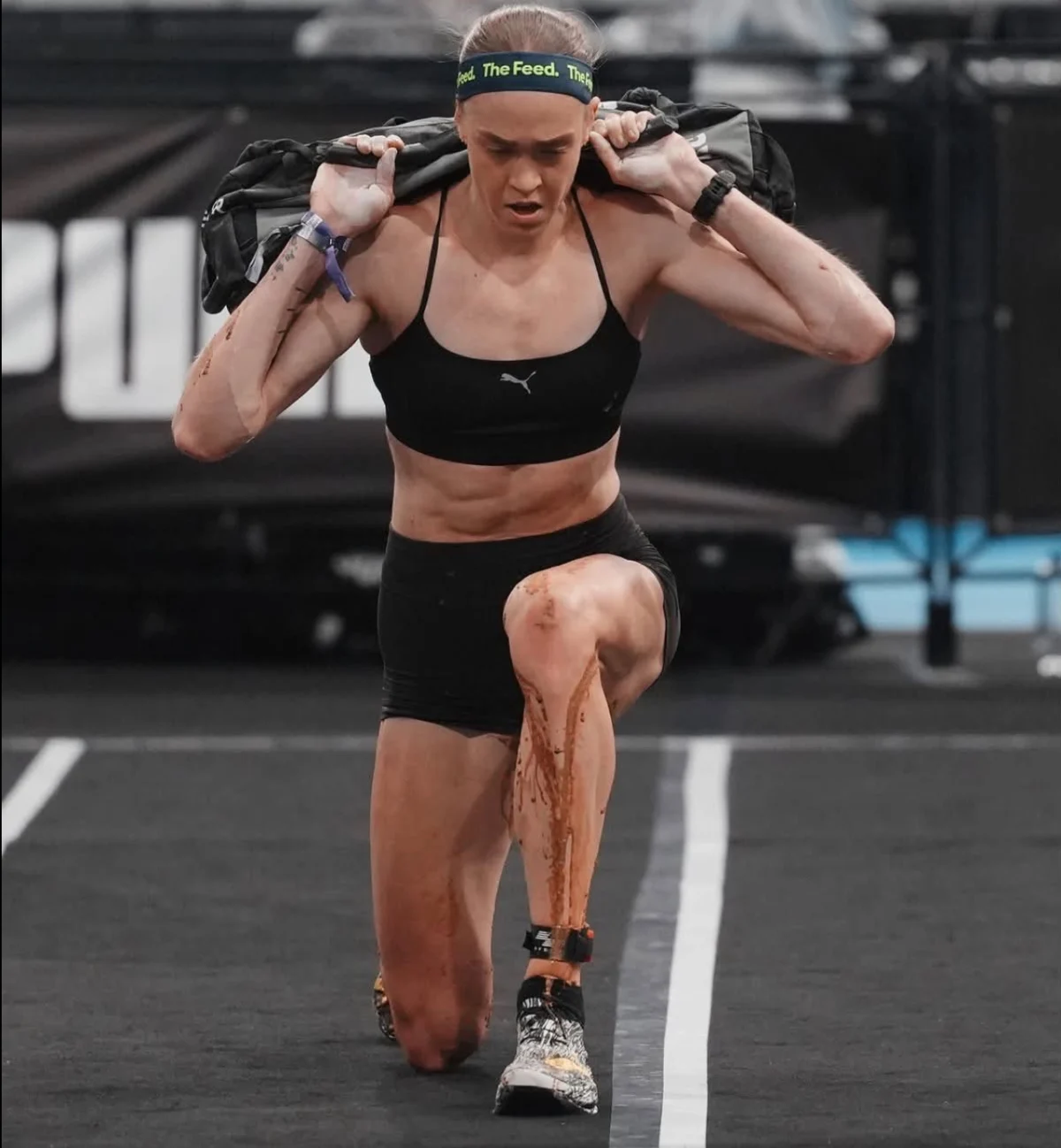
The international fitness racing community, specifically the rapidly growing HYROX circuit, has found itself embroiled in a heated debate following an incident involving Australian athlete Joanna Wietrzyk during a high-stakes competition in Beijing, China. As the footage of Wietrzyk experiencing an involuntary bowel movement during the grueling multi-station race went viral across various social media platforms, the organization behind the sport has issued a firm directive to the public: desist from the online harassment and bullying directed at the athlete.
The incident, which occurred during the elite division of the Beijing event, has sparked a complex discourse regarding the limits of human endurance, the professional standards of competitive fitness, and the toxic nature of modern online commentary. While the physical nature of the incident was undeniably graphic, it has highlighted the extreme physiological toll that the HYROX format demands of its competitors.
Chronology of the Beijing Incident
Joanna Wietrzyk, a 22-year-old athlete, entered the Beijing HYROX competition with the intent of securing a top-tier finish. The HYROX format is notoriously punishing, requiring athletes to complete eight one-kilometer runs, each followed by a functional fitness station—such as the sled push, sled pull, burpee broad jumps, rowing, farmers carry, sandbag lunges, and wall balls.
According to witnesses and event logs, Wietrzyk began to experience severe gastrointestinal distress mid-way through the course. Despite the severity of the situation, she maintained her pace, choosing not to withdraw from the competition. She successfully navigated the remaining stations, eventually crossing the finish line and securing victory in the women’s elite category.
The controversy ignited shortly thereafter when video footage captured by spectators began circulating on platforms like Threads and X (formerly Twitter). The raw nature of the footage drew immediate reactions ranging from visceral disgust to intense scrutiny regarding the sanitary protocols of the event. While some commentators praised Wietrzyk for her unwavering mental fortitude and commitment to finishing the race—a hallmark of the "HYROX spirit"—others questioned the decision of both the athlete and the race marshals to allow the competition to continue in that state, citing potential health risks to other participants.
The Physiology of Extreme Endurance
To understand the context of the incident, it is necessary to examine the physiological demands of competitive fitness racing. HYROX is designed to test the limits of aerobic capacity and muscular endurance simultaneously. This combination, known as high-intensity interval training (HIIT) on a massive scale, places immense pressure on the digestive system.
Medical experts note that during high-intensity exercise, blood flow is redirected from the gastrointestinal tract to the working muscles. This phenomenon, often referred to as "exercise-induced gastrointestinal distress," is well-documented in endurance sports such as ultramarathons and Ironman triathlons. Symptoms range from cramping and bloating to, in extreme cases, bowel incontinence.
In the world of elite sports, "finishing at all costs" is a deeply ingrained philosophy. Wietrzyk’s decision to continue despite her distress is a reflection of this training culture. For many athletes, the physical barrier is the final obstacle, and the mental drive to reach the finish line often supersedes bodily warnings. However, the intersection of this extreme physiological response with the social media era has created a new dilemma for event organizers: how to protect the dignity of athletes who face public health incidents during live-streamed or spectator-heavy events.
Official Response from HYROX
In an official statement released in the wake of the backlash, HYROX took a strong stance in defense of their competitor. The organization expressed concern over the tone of the online discourse, emphasizing that the focus should be on the athlete’s resilience rather than the unfortunate physiological outcome.
"Rasa frustrasi seharusnya tidak pernah diarahkan kepada para atlet itu sendiri," the organization stated in its formal response. "Merekalah orang-orang yang mempertaruhkan diri, berkompetisi di level tertinggi, dan menjadikan kompetisi seperti sekarang ini." (Frustration should never be directed at the athletes themselves. They are the ones putting themselves at risk, competing at the highest level, and making the competition what it is today.)
Furthermore, HYROX clarified that if the public finds fault with how the situation was managed—specifically regarding the decision to let the race continue—that criticism should be directed toward the organizers and race officials, not the athlete. The organization noted that they are currently reviewing their internal protocols for handling medical emergencies and sanitation issues to ensure that future events maintain a balance between competitive integrity and the safety and dignity of all participants.
The Threat of Online Harassment
The incident has also prompted a wider discussion regarding the behavior of the online fitness community. HYROX has warned that they will monitor and potentially take action against accounts that engage in targeted harassment, bullying, or threats against Wietrzyk or any other athlete.
In the digital age, athletes are increasingly vulnerable to "cyber-shaming." When a minor or major incident occurs in the arena, it is instantly immortalized and subjected to the scrutiny of millions. This level of exposure can have lasting psychological effects on athletes, who are already under immense pressure to perform. The move by HYROX to proactively defend their athlete signals a shifting trend in sports management, where organizations are taking a more active role in the digital safety of their participants.
Broader Implications for Competitive Fitness
The Beijing incident serves as a case study for the growth of the HYROX brand. As the sport moves from a niche fitness challenge to a mainstream global spectacle, the expectations for professional conduct and emergency management evolve.
- Medical Preparedness: Organizers are likely to increase the presence of medical staff at every station to better assess athletes who show signs of severe distress.
- Sanitation Protocols: Future events may implement more robust cleaning protocols that can be deployed instantly if an athlete experiences a medical emergency on the course.
- Public Perception: The incident highlights the "human element" of sports. While viewers often expect perfection, the reality of extreme endurance is messy and unpredictable. The media coverage of this event has inadvertently underscored the brutal difficulty of the sport, which may ironically increase interest among those who respect the raw, unfiltered nature of human competition.
Conclusion
Joanna Wietrzyk’s performance in Beijing will likely be remembered for the wrong reasons, but for the athletic community, it stands as a testament to the extreme boundaries of human willpower. As the dust settles on this incident, the focus for the sporting world should remain on the health and welfare of the athlete.
HYROX has made it clear that while they are open to criticism regarding event logistics, they will not tolerate the degradation of their athletes. As the sport continues to expand into new territories, the challenge for organizers will be to provide a safe, sanitary, and professional environment that can accommodate the unpredictability of human physiology while shielding athletes from the often-cruel feedback loop of the internet.
The resilience shown by Wietrzyk—not just in finishing the race, but in navigating the immediate aftermath of public scrutiny—is indicative of the mental toughness required to compete at the elite level. Whether the event marks a turning point for policy or simply a footnote in the history of the sport, the message from the organizing body is unambiguous: the arena is for competition, not for the dehumanization of those who dare to test their limits.