
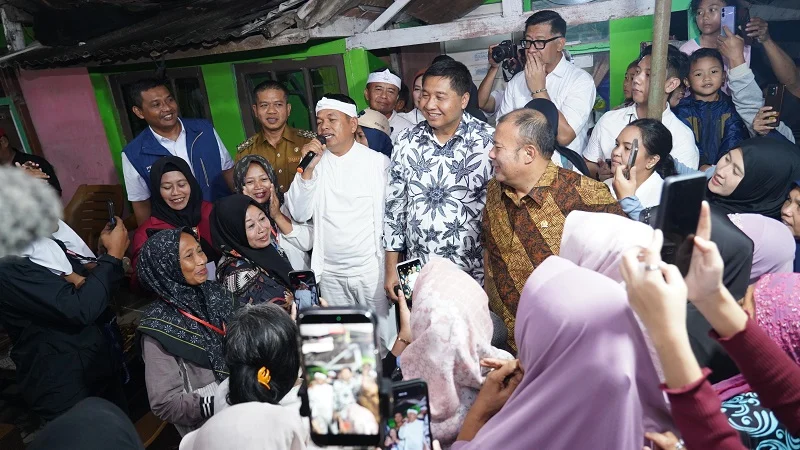
BANDUNG – bank bjb, a prominent regional development bank, has significantly ramped up its support for the national housing sector by spearheading the launch of the Bantuan Stimulan Perumahan Swadaya (BSPS) 2026 program in West Java. This crucial initiative, coupled with a collaborative program for housing financing and community economic empowerment, marks a pivotal synergy between the Ministry of Public Works and Housing (Kementerian Perumahan dan Kawasan Permukiman – PKP), the West Java Provincial Government, and bank bjb. The official launch event, held at SMAN 1 Katapang, Kabupaten Bandung, on Thursday, April 13, 2026, underscored a collective commitment to improving housing quality for low-income communities and expanding access to decent and affordable housing across the region and the nation.
Unveiling the BSPS 2026 Program: A National Imperative
The Bantuan Stimulan Perumahan Swadaya (BSPS), often referred to as the Self-Help Housing Stimulant Assistance program, is a cornerstone of the Indonesian government’s strategy to address the pervasive issue of Rumah Tidak Layak Huni (RTLH) or uninhabitable homes. The program is specifically designed to assist Masyarakat Berpenghasilan Rendah (MBR), or low-income communities, in improving the structural integrity, safety, and health standards of their existing dwellings. Unlike direct housing construction, BSPS provides financial and technical assistance that stimulates self-help efforts and community participation, empowering beneficiaries to actively engage in the rehabilitation of their homes. This approach not only fosters a sense of ownership but also leverages local resources and traditional mutual cooperation (gotong royong), making the program highly sustainable and deeply rooted in community empowerment.
The launch of BSPS 2026 in West Java is particularly significant given the province’s large population and diverse socio-economic landscape, which includes a substantial segment of MBR households. Indonesia, as a rapidly developing nation, continues to grapple with a significant housing backlog, estimated to affect over 12 million households nationally, with millions still living in substandard or unsafe conditions. Programs like BSPS are vital instruments in bridging this gap, providing tangible improvements to living standards, and fostering social equity. By focusing on stimulating self-help, the program also injects economic activity directly into local communities through the purchase of building materials from local suppliers and the engagement of local labor, creating a ripple effect that supports small and medium-sized enterprises (UMKM) and generates employment opportunities.
bank bjb’s Enduring Commitment to Regional Development
As a key regional development bank, bank bjb has long positioned itself as more than just a financial institution; it is a strategic partner in the socio-economic development of West Java and Banten. Its involvement in the BSPS 2026 program and broader housing finance initiatives is a testament to its corporate social responsibility and its mandate to support public welfare. bank bjb’s active participation extends beyond merely disbursing funds; it involves developing an inclusive and sustainable financing ecosystem that can cater to the specific needs of MBRs, who often face significant hurdles in accessing conventional housing loans due to informal income streams or lack of collateral.
The bank’s role in this collaboration encompasses several critical aspects. Firstly, it acts as a financial conduit, facilitating the efficient and transparent distribution of BSPS funds. Secondly, it explores and develops innovative housing finance products tailored for MBRs, potentially integrating with government subsidy schemes like the Fasilitas Likuiditas Pembiayaan Perumahan (FLPP) or other subsidized housing loans. This strategic alignment ensures that beneficiaries not only receive the initial stimulus but also gain access to broader financial inclusion opportunities, potentially extending to micro-financing for other economic activities or savings programs. The bank’s extensive branch network and digital capabilities in West Java make it an ideal partner for reaching remote communities and ensuring the accessibility of these crucial programs.
A Collaborative Framework for Sustainable Housing
The event at SMAN 1 Katapang served as a comprehensive forum, drawing together a diverse array of stakeholders crucial to the success of national housing initiatives. The presence of high-ranking officials underscored the multi-sectoral commitment to this agenda. Among the dignitaries were Minister of Public Works and Housing, Maruarar Sirait, representing the central government’s strategic vision; Deputy Speaker of the House of Representatives (DPR RI), Cucun Ahmad Syamsurijal, signifying legislative support and oversight; Governor of West Java, Dedi Mulyadi, outlining regional priorities; and Bupati of Kabupaten Bandung, Dadang Supriatna, highlighting local implementation efforts. From bank bjb, Direktur Pengganti Direktur Utama Ayi Subarna, and Direktur Konsumer dan Ritel Nunung Suhartini, along with other senior management, represented the bank’s operational and strategic commitment. Key figures from other strategic institutions, such as Komisioner BP Tapera (Badan Pengelola Tabungan Perumahan Rakyat) Heru Pudyo Nugroho, were also in attendance, emphasizing the integrated approach to housing finance.

The forum extended its reach beyond government and banking officials, actively engaging approximately 150 local business actors. This included developers, construction companies, building material suppliers, and various Micro, Small, and Medium Enterprises (UMKM). This direct engagement is vital for several reasons: it ensures that the economic stimulus generated by the BSPS program circulates within the local economy, supports local businesses, and builds a robust supply chain for housing rehabilitation efforts. Furthermore, it fosters a deeper understanding among private sector players regarding the government’s housing agenda and encourages their participation in future public-private partnerships. The interaction also allows for direct feedback and the identification of potential bottlenecks or opportunities, making the program more adaptive and responsive to local needs.
Statements from Key Figures: A Vision for Inclusive Development
During the event, officials articulated their shared vision and commitment to the housing sector. Minister of Public Works and Housing, Maruarar Sirait, emphasized the national significance of the BSPS program. "The Bantuan Stimulan Perumahan Swadaya is more than just a housing program; it is a testament to our nation’s commitment to social justice and equitable development," Minister Sirait stated. "By empowering communities to improve their own homes, we are not only addressing the housing backlog but also fostering self-reliance, community solidarity, and local economic growth. This collaboration with the West Java Provincial Government and bank bjb exemplifies the power of synergy in achieving our national development goals."
Governor of West Java, Dedi Mulyadi, highlighted the program’s critical role in the province’s development agenda. "West Java, with its dynamic population and diverse geographic challenges, places immense importance on ensuring that all its citizens have access to safe, healthy, and dignified housing," Governor Mulyadi remarked. "The BSPS 2026 program, supported by the Ministry of PKP and the robust financial backing of bank bjb, will be instrumental in transforming thousands of uninhabitable homes into proper residences. This initiative is a crucial step towards realizing our vision of a prosperous and equitable West Java, where no one is left behind in the pursuit of a better quality of life."
Representing bank bjb, Direktur Pengganti Direktur Utama Ayi Subarna reiterated the bank’s unwavering dedication. "bank bjb is proud to stand at the forefront of this national endeavor. Our involvement in the BSPS 2026 program underscores our fundamental commitment to fostering sustainable development and financial inclusion across West Java," Ayi Subarna affirmed. "We are not just providing financial services; we are investing in the future of our communities, empowering families, and stimulating local economies. We believe that secure and decent housing is the foundation for individual well-being and collective prosperity, and we are committed to leveraging our resources and expertise to make this a reality for more MBR households."
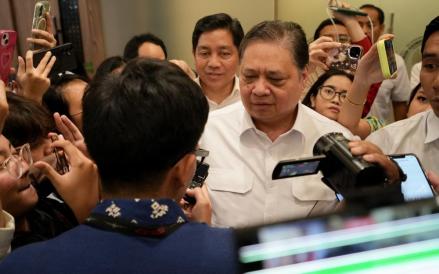
Deputy Speaker of the DPR RI, Cucun Ahmad Syamsurijal, also offered his perspective, stressing the legislative support for such initiatives. "The House of Representatives fully supports programs like BSPS that directly address the welfare of our citizens, particularly those in low-income brackets. We recognize the profound impact that safe and adequate housing has on public health, education, and overall societal stability," said Cucun. "Our role is to ensure that these programs are well-funded, efficiently implemented, and reach those who need them most. The collaboration demonstrated here today serves as an excellent model for effective governance and public-private partnerships."
Broader Impact and Future Implications
The launch of BSPS 2026 in West Java, with the comprehensive support of bank bjb and various government bodies, is expected to yield multi-faceted benefits. Economically, the program will stimulate local markets by creating demand for construction materials, increasing sales for small hardware stores, and providing employment opportunities for local builders and laborers. This localized economic injection is crucial for post-pandemic recovery efforts and for building resilience within communities. Socially, the improvement of RTLH translates directly into better health outcomes, enhanced educational environments for children, increased safety, and a greater sense of dignity and security for beneficiary families. It also contributes to the overall aesthetic and structural improvement of neighborhoods, potentially reducing urban blight and fostering community pride.
From an environmental perspective, the program encourages the use of locally sourced and potentially more sustainable building materials, reducing carbon footprints associated with long-distance transportation. Moreover, improving housing conditions often includes enhancing sanitation and access to clean water, which has broader public health benefits for the entire community. The focus on self-help and community participation also strengthens social capital, fostering networks of mutual support that can be leveraged for other community development initiatives.
Looking ahead, the success of the BSPS 2026 program in West Java will serve as a blueprint for replication and scaling across other regions of Indonesia. Continuous monitoring and evaluation will be critical to ensure the program’s effectiveness, identify best practices, and address any challenges that may arise during implementation. This includes ensuring equitable distribution of aid, preventing fraud, and providing adequate technical assistance to beneficiaries. The collaborative model, involving central government, regional authorities, and financial institutions like bank bjb, represents a robust and sustainable approach to tackling complex national development challenges. It signifies a collective understanding that addressing fundamental needs such as housing requires integrated strategies and the unwavering commitment of all stakeholders, paving the way for a more prosperous, equitable, and resilient Indonesia.
