
Japan’s vital industrial sectors are grappling with a severe naphtha supply crisis, pushing numerous companies to drastically cut production and halt new orders. This escalating situation highlights a concerning disconnect between government assertions of ample stock availability and the grim realities faced by businesses on the ground, with both the construction and manufacturing industries bearing the brunt of the raw material bottleneck.
The Crucial Role of Naphtha in Japan’s Industrial Backbone
Naphtha, a highly flammable liquid hydrocarbon mixture, serves as a foundational petrochemical feedstock, indispensable for the production of a vast array of materials critical to modern industry. In Japan, an industrial powerhouse heavily reliant on sophisticated manufacturing and robust infrastructure development, naphtha derivatives form the bedrock for plastics, synthetic rubber, fibers, adhesives, solvents, and paints. From the intricate components of advanced electronics and automotive parts to the ubiquitous packaging materials and construction adhesives, the flow of naphtha is the lifeblood of countless supply chains. Without a consistent and affordable supply, industries face immediate and cascading disruptions, affecting not only their output but also their ability to fulfill domestic demand and maintain export competitiveness. Japan, with its limited domestic crude oil and natural gas resources, depends heavily on imports for its energy and raw material needs, making it particularly vulnerable to global supply chain shocks impacting key commodities like naphtha. The current crisis, emerging in mid-April 2026, underscores this intrinsic vulnerability.
A Deep Dive into the Supply Chain Bottleneck
Over the past week leading up to April 15, 2026, more than a dozen companies across various sectors have reported significant disruptions in deliveries or sharp price increases for naphtha-based materials, according to market players cited by Reuters. This widespread impact suggests a systemic issue rather than isolated incidents, pointing to potential logistical failures, refinery output issues, or an unexpected surge in demand that local distribution networks are struggling to accommodate. The discrepancy between official assurances of sufficient national reserves and the tangible scarcity experienced by end-users has fueled frustration and uncertainty within the business community. This gap might stem from challenges in internal distribution, specific grades of naphtha being in short supply, or a rapid depletion of regional stocks despite overall national figures appearing stable.
Chronology of an Emerging Crisis
The roots of the current crisis can be traced back to early indicators of strain within the supply chain. While precise triggers remain under investigation, several developments suggest a build-up to the current predicament:
- Late 2025 – Early 2026: Subtle shifts in global energy markets and petrochemical supply, potentially influenced by geopolitical tensions, refinery maintenance schedules in key producing regions, or a gradual increase in global industrial demand, might have started to exert upward pressure on naphtha prices and lead times for shipments to Japan. Industry analysts may have observed a tightening of the spot market.
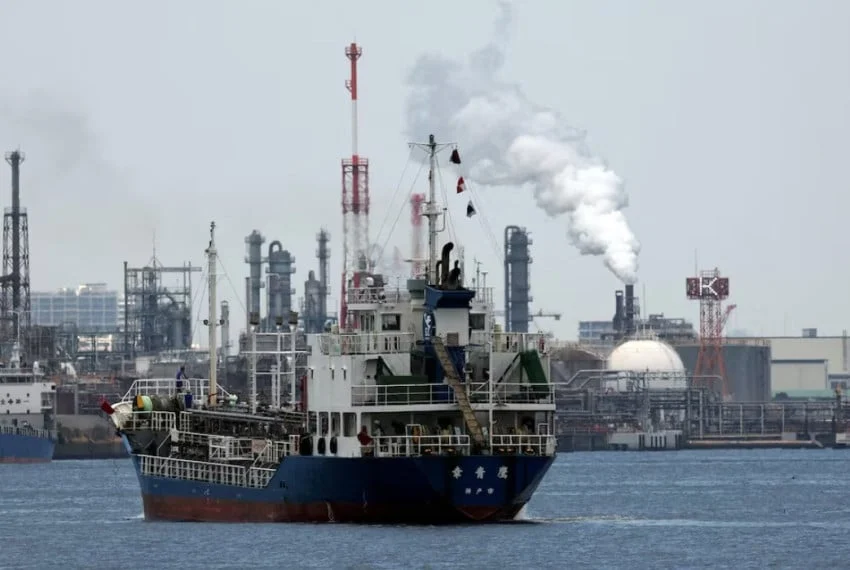
- March 2026: Visual evidence, such as a small tanker navigating near the Keihin Industrial Zone in Kawasaki on March 17, 2026, as captured by Reuters, might initially have been interpreted as routine activity. However, in hindsight, it could signify frantic efforts to secure or distribute limited supplies, or perhaps even an early sign of logistical challenges in moving feedstock to processing plants.
- Early April 2026: Initial, sporadic reports began surfacing from smaller manufacturers and construction firms about delayed deliveries of specialized chemicals and adhesives. These were initially dismissed by some as isolated logistical hitches.
- Week of April 8-15, 2026: The situation rapidly deteriorated. Reports of supply disruptions and price hikes became widespread, affecting a critical mass of companies. This period saw the official acknowledgement of a "naphtha crisis" by market participants. Companies like Toto, a leading manufacturer of sanitary ware and plumbing fixtures, and Asahi Kasei, a diversified chemical company, publicly or privately acknowledged significant hurdles in procuring essential naphtha-based adhesives and other process-critical materials.
- April 15, 2026: The crisis reached a critical point with widespread production adjustments and order cancellations. Kansai Paint, a major paint manufacturer, announced adjustments to its delivery schedules and price increases, directly attributing these measures to the scarcity of thinner, a naphtha derivative whose handling is strictly regulated due to its hazardous nature. A survey by the Japan Painting Contractors Association starkly revealed the severity, indicating that a mere 2.7% of its member companies could acquire thinner as usual, underscoring the paralysis gripping this specific sub-sector.
Crippling Effects Across Diverse Sectors
The ripple effects of the naphtha shortage are broad and deeply concerning, impacting multiple pillars of Japan’s economy:
- Construction Sector: Naphtha-based polymers and solvents are vital for manufacturing high-performance adhesives, sealants, coatings, and insulation materials used in building construction and infrastructure projects. Delays in securing these materials can halt ongoing projects, from residential housing to large-scale public works, leading to significant cost overruns, missed deadlines, and contractual disputes. The paralysis in this sector could have a tangible impact on urban development and national infrastructure maintenance.
- Manufacturing Sector: This sector, encompassing everything from automotive and electronics to packaging and textiles, is particularly vulnerable. Plastics derived from naphtha are ubiquitous. A shortage impacts the production of components, casings, films, and synthetic fibers. For example, the automotive industry relies on naphtha for various plastic parts, tires, and interior components. Electronics manufacturers use plastics for device housings and circuit board materials. Any disruption here not only affects domestic production but also Japan’s crucial export capabilities, potentially impacting global supply chains for finished goods.
- Chemical Industry: As the primary processor of naphtha, the chemical industry forms the nexus of this crisis. Companies are struggling to maintain output of intermediate chemicals, leading to shortages further down the value chain. This directly impacts the availability of essential raw materials for other industries, creating a compounding effect.
- Paints and Coatings Industry: The situation at Kansai Paint exemplifies the challenge. Thinner, a key naphtha derivative, is essential for paint formulation and application. Its scarcity not only drives up costs but also restricts the ability of contractors and manufacturers to complete finishing processes, impacting aesthetics, protection, and durability in various applications.
Economic Ramifications and Broader Implications
The ongoing naphtha crisis carries significant economic implications for Japan, threatening to undermine its industrial recovery and stability.
- GDP and Industrial Output: A prolonged and severe shortage could directly impact Japan’s Gross Domestic Product (GDP) growth. Analysts are already warning that if production cuts persist across construction and manufacturing, the country could see a noticeable contraction in industrial output for the second quarter of 2026. This would be a significant blow, especially if other global economic headwinds are present.
- Inflationary Pressures: The reported price increases for naphtha-based materials will inevitably translate into higher production costs for manufacturers. These increased costs are likely to be passed on to consumers, exacerbating inflationary pressures across a range of goods, from building materials to everyday plastic products. This could further squeeze household budgets and dampen consumer spending.
- Supply Chain Resilience: The crisis serves as a stark reminder of the vulnerabilities inherent in highly globalized and specialized supply chains. Japan’s reliance on imported raw materials, while historically efficient, exposes it to disruptions stemming from international market fluctuations, geopolitical events, or logistical bottlenecks. This incident may prompt a re-evaluation of national supply chain strategies, emphasizing diversification and domestic production capabilities where feasible.
- Competitiveness: If Japanese manufacturers face higher raw material costs and production delays compared to international competitors with more stable access to naphtha, it could erode Japan’s global competitiveness in key export markets. This could lead to a loss of market share and impact long-term economic growth.
- Employment: Persistent production cuts could lead to reduced working hours, temporary layoffs, or even more permanent job losses in affected industries, particularly within small and medium-sized enterprises (SMEs) that have fewer resources to absorb such shocks.
Official Responses and Industry Calls to Action
The Japanese government, particularly the Ministry of Economy, Trade and Industry (METI), is likely facing intense pressure to address the crisis. While initial statements might have focused on national stock levels, the on-the-ground reality demands a more direct intervention.
- Government Action (Inferred): METI officials are expected to be investigating the precise nature of the supply chain disruption, engaging with domestic refiners and international suppliers to identify and resolve bottlenecks. Potential measures could include facilitating priority shipments, exploring the temporary release of strategic reserves (if naphtha is included in such classifications or if crude oil reserves can be processed quickly), or negotiating with key trading partners for expedited deliveries. There may also be calls for a review of existing energy and raw material security policies.
- Industry Advocacy: Industry associations, such as the Japan Painting Contractors Association and federations representing manufacturing and construction, are likely advocating fiercely for government intervention. They are expected to be urging for immediate logistical support, financial aid for affected companies, and clearer communication channels regarding the true state of supply. Furthermore, companies themselves are likely exploring alternative suppliers, re-evaluating their material specifications to accommodate substitutes, or seeking to optimize existing inventory more aggressively.
- Refinery and Distributor Perspectives (Inferred): Refineries and distributors, while possibly working at capacity, might be facing their own challenges, such as unexpected maintenance, labor shortages, or increased global demand diverting supplies. They would likely emphasize the complexities of refining and distributing hazardous materials and the need for long-term investment in infrastructure and capacity.
Looking Ahead: Building Resilience in a Volatile World
The naphtha crisis of 2026 serves as a critical stress test for Japan’s industrial resilience. Beyond the immediate challenges, it highlights several crucial areas for long-term strategic focus:
- Diversification of Supply: Reducing reliance on a limited number of suppliers or geographical regions for critical raw materials will be paramount. This could involve exploring new trading partners or investing in joint ventures for feedstock production.
- Strategic Reserves Reassessment: The efficacy and composition of Japan’s strategic reserves for energy and industrial feedstocks might undergo a comprehensive review to ensure they adequately cover key commodities like naphtha and are readily accessible in times of crisis.
- Investment in Domestic Capacity: While Japan has a robust refining sector, the crisis might spur renewed discussions about enhancing domestic petrochemical production capabilities or supporting innovation in feedstock alternatives, such as bio-based naphtha or recycled plastics, to reduce import dependence.
- Technological Innovation: Accelerated research and development into alternative materials and processes that reduce or eliminate the need for naphtha derivatives could become a national priority, fostering long-term sustainability and resilience.
- Global Cooperation: Japan may also seek to strengthen international cooperation on energy and raw material security, participating in multilateral initiatives to stabilize global supply chains and prevent future disruptions.
In conclusion, the naphtha crisis is more than just a temporary inconvenience for Japan’s industries; it is a profound challenge exposing vulnerabilities in its economic infrastructure. A coordinated and decisive response from both the government and the private sector will be essential to navigate the immediate disruptions, stabilize the affected industries, and implement robust long-term strategies to fortify Japan against future supply chain shocks in an increasingly unpredictable global environment. The economic health and global competitiveness of the nation hinge on its ability to overcome this critical raw material bottleneck.
