
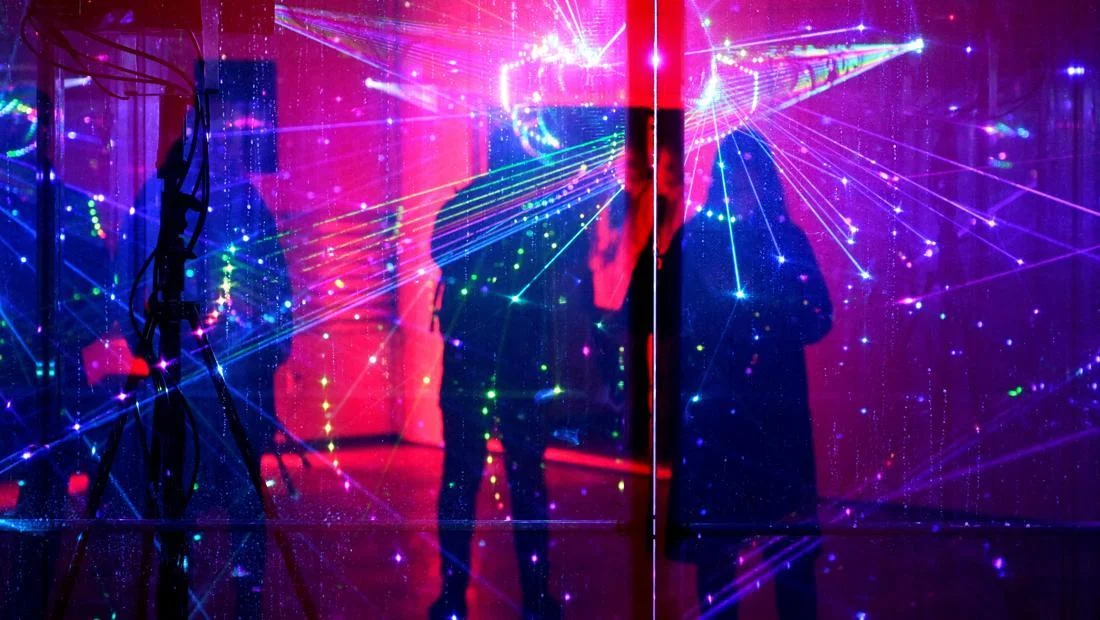
The historic city of Trencin, nestled in the picturesque mountains of northwestern Slovakia, recently underwent a dramatic metamorphosis as it hosted its second annual Light Art Festival. This event, which took place on April 10, 2026, serves as a cornerstone of the city’s strategic preparation for its upcoming role as the European Capital of Culture (ECoC) in 2026. By blending cutting-edge technology with the city’s medieval architecture, the festival managed to attract thousands of visitors, effectively signaling Trencin’s readiness to take its place on the global cultural stage.
A Night of Luminous Grandeur
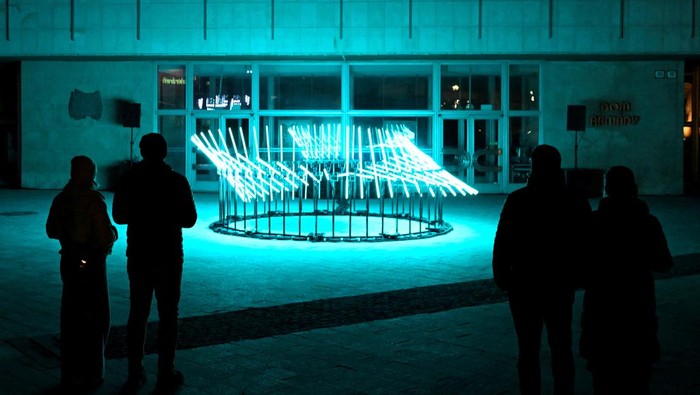
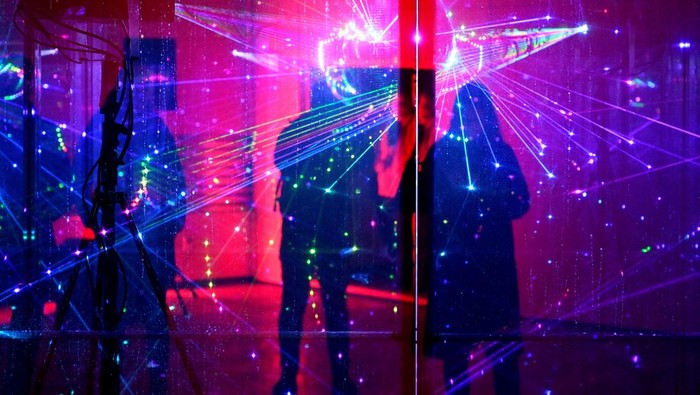
As the sun set over the Váh River, the cobblestone streets and historic facades of Trencin were revitalized by a spectrum of vibrant colors and dynamic light projections. The festival featured a diverse array of installations created by both local Slovakian talent and internationally renowned light artists. These works ranged from high-energy, immersive displays designed for pure entertainment to more somber, minimalist pieces intended to provoke deep reflection on contemporary social and environmental issues.

The centerpiece of the evening was the illumination of the Trencin Castle, a fortress dating back to the 11th century that looms over the city. Using advanced projection mapping techniques, artists transformed the ancient stone walls into a living canvas, telling the story of the region’s history through a sequence of light and sound. This fusion of the old and the new is a recurring theme in Trencin’s cultural strategy, aiming to honor its heritage while embracing the possibilities of the digital age.
The Journey to European Capital of Culture 2026
The Light Art Festival is not merely an isolated celebration but a critical milestone in a multi-year journey. Trencin was officially designated as the European Capital of Culture 2026 in late 2021, beating out other prominent Slovakian cities such as Nitra and Žilina. The selection committee was particularly impressed by Trencin’s vision, titled "Cultivating Curiosity," which focuses on utilizing culture as a catalyst for urban development, social cohesion, and international dialogue.
The ECoC program, established by the European Union in 1985, is designed to highlight the richness and diversity of European cultures, increase citizens’ sense of belonging to a common cultural area, and foster the contribution of culture to the development of cities. For Trencin, a city with a population of approximately 55,000, this designation represents a once-in-a-generation opportunity to reinvent its image and stimulate its local economy.

In 2026, Trencin will share the prestigious title with Oulu, Finland. This partnership is expected to foster significant cross-border collaboration, with both cities planning joint exhibitions, artist residencies, and digital exchange programs that will link the mountainous landscapes of Central Europe with the coastal beauty of Northern Scandinavia.
Chronology of Cultural Expansion
The success of the 2026 Light Art Festival is the result of a meticulously planned timeline that began shortly after the city won the ECoC bid.
- 2022-2023: Infrastructure and Planning: During this phase, the city focused on upgrading its public spaces, including the renovation of the main square and the improvement of lighting systems in the historic district.
- April 2025: The Inaugural Light Art Festival: The first edition of the festival served as a pilot project. Despite being a new concept for the region, it exceeded expectations by drawing nearly 10,000 visitors. This success provided the organizers with the data and confidence needed to scale up for the 2026 edition.
- April 10, 2026: The Current Edition: The most recent festival showcased a 40% increase in the number of installations and a more robust international marketing campaign, resulting in a surge of foreign tourists from neighboring Austria, Czechia, and Poland.
- Late 2026: The Grand Finale: The Light Art Festival is expected to return for a final, even larger iteration at the close of Trencin’s year as the European Capital of Culture, serving as a legacy event for the city.
Supporting Data and Economic Impact
The implications of the Light Art Festival extend far beyond aesthetics. According to preliminary data released by local tourism boards, the festival has a significant "multiplier effect" on the local economy. During the weekend of the event, hotel occupancy rates in Trencin and the surrounding Trenčín Region reached 95%, a record high for the spring season.

Furthermore, the 10,000 visitors recorded during the previous year’s event represented nearly 20% of the city’s total population, a statistic that underscores the festival’s massive draw. For a city of 55,000, managing such an influx requires sophisticated logistics, including temporary pedestrian zones, increased public transport frequency, and a coordinated effort between the municipal police and event volunteers.
Economic analysts suggest that for every Euro invested in the Light Art Festival, approximately five Euros are returned to the local economy through spending in restaurants, retail shops, and hospitality services. This influx of capital is vital for supporting small businesses and funding future cultural initiatives.
Artistic and Technological Innovation
The festival’s success is also attributed to its commitment to high-quality artistic content. The 2026 program emphasized the use of sustainable technology, with many installations powered by renewable energy sources or utilizing low-consumption LED hardware.
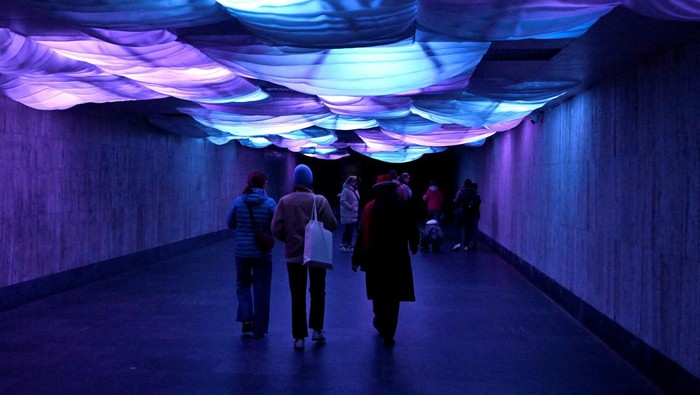
One notable installation, titled "Echoes of the Váh," used motion sensors to translate the movement of the nearby river into patterns of light reflected onto the city’s bridges. Another popular work involved interactive "light pods" placed in the central square, which changed color and sound based on the proximity and touch of visitors, fostering a sense of community play and interaction.
"Light art has a unique ability to democratize culture," noted a spokesperson for the Trencin 2026 organizing committee. "It takes art out of the galleries and places it directly into the path of the people. It changes how residents perceive their own city, making familiar streets feel magical and new."
Official Responses and Social Implications
The Mayor of Trencin has lauded the festival as a triumph of civic engagement. In a statement following the event, the municipal office highlighted that the festival had successfully engaged diverse demographic groups, from families with young children to elderly residents and international students.
Socially, the festival serves to strengthen the "European identity" of Trencin’s citizens. By hosting artists from across the continent and participating in a program as prestigious as the ECoC, residents feel a closer connection to the broader European community. This is particularly important in a region that has seen significant political and social shifts over the last several decades.
Related parties, including the Slovak Ministry of Culture, have pointed to Trencin as a model for regional development. By focusing on a niche yet popular medium like light art, the city has managed to differentiate itself from other tourist destinations in Central Europe, creating a unique "brand" that is both modern and rooted in tradition.
Challenges and Future Outlook
Despite the overwhelming success, the path to 2026 has not been without its challenges. The organizers have had to navigate the complexities of hosting large-scale events in a city with narrow, medieval streets. Issues such as light pollution and the impact of large crowds on historic structures are constantly monitored by a team of urban planners and conservationists.
Looking ahead, the focus for Trencin will be on "sustainability and legacy." The goal is not just to have a successful year in 2026, but to ensure that the cultural infrastructure and international reputation built during this period continue to benefit the city for decades to come. There are already discussions about making the Light Art Festival a permanent annual fixture on the European cultural calendar, potentially expanding it into a multi-week "Month of Light."
As Trencin continues its countdown to the official start of its tenure as the European Capital of Culture, the glow from the Light Art Festival remains a potent symbol of the city’s ambition. Through the strategic use of light, Trencin has successfully illuminated its past while casting a bright and hopeful vision for its future. The world will undoubtedly be watching as this small Slovakian city takes center stage in 2026, proving that with creativity and collaboration, even the most historic of places can shine with a modern brilliance.
