

Indonesia’s Minister of Trade, Zulkifli Hasan, has expressed a strong aspiration for the nation to be recognized globally as a leading exporter of high-technology services. This vision, he stated, is crucial for facilitating and streamlining future business and trade activities. The Minister’s remarks were made during the official inauguration of PrivyID’s first overseas branch office in Sydney, Australia, on Monday, July 3, 2023. The event marked a significant milestone in Indonesia’s digital export strategy and underscored the growing potential of its tech sector on the international stage.
The launch ceremony in Sydney was attended by a distinguished delegation of Indonesian officials, signifying the government’s high regard for this strategic expansion. Among the key attendees were His Excellency Siswo Pramono, the Indonesian Ambassador to Australia, and Kuncoro Giri Waseso, the Indonesian Consul General in Melbourne. Also present were Vedi Kurnia Buana, the Indonesian Consul General in Sydney, Djatmiko Bris Witjaksono, Director General of International Trade Negotiation, and Marshall Pribadi, Chief Executive Officer of PrivyID. Their collective presence highlighted the collaborative effort and strong governmental backing behind PrivyID’s international venture.
PrivyID’s Strategic Expansion: A Beacon for Indonesian Tech Exports
Minister Zulkifli Hasan articulated his optimism, stating, "Through PrivyID, Indonesia can be known not only as an exporter of commodities but also as an exporter of high-technology services. The inauguration of PrivyID’s first overseas office today is a success story of Indonesian service exports to Australia." This statement positions PrivyID’s presence in Sydney as a tangible demonstration of Indonesia’s capability to compete in the global digital economy.
The Ministry of Trade has been a consistent supporter of PrivyID’s growth and internationalization efforts. This support is partly channeled through the Indonesia-Australia Comprehensive Economic Partnership Agreement (IA CEPA), specifically via the Katalis program. Katalis is an innovative trade and investment development initiative backed by the government, designed to unlock the substantial potential of economic partnerships between Indonesia and Australia. This program has played a pivotal role in fostering cross-border collaboration and facilitating the market entry of Indonesian companies like PrivyID. The IA CEPA, which came into effect in July 2020, aims to deepen economic ties between the two nations, covering areas such as trade in goods and services, investment, and economic cooperation.

PrivyID: A Digital Powerhouse with Global Ambitions
PrivyID has emerged as one of Indonesia’s most advanced digital companies, boasting an impressive user base of 30 million individuals. Minister Zulkifli Hasan specifically highlighted Sydney as the ideal location for PrivyID’s inaugural international branch. "Sydney possesses Australia’s largest economy and is a hub closely integrated with the global economy. This fact presents a significant opportunity for PrivyID to continue growing and going global," the Minister added. Sydney’s status as a major financial and commercial center, with strong connectivity to international markets, provides PrivyID with a strategic platform to expand its reach and influence.
The company’s rapid growth and substantial user numbers are particularly noteworthy. With 30 million users, PrivyID’s subscriber base surpasses the entire population of Australia, which stands at approximately 26 million. This demographic advantage underscores the company’s strong domestic foundation and its potential to scale effectively in new international markets.
Beyond Digital Signatures: A Symbol of Indonesian Innovation
Minister Zulkifli Hasan emphasized that PrivyID’s significance extends beyond its role as a digital signature service provider. He described the company as a symbol of the entrepreneurial spirit and innovation of Indonesian youth. The sheer volume of PrivyID’s user base is a testament to the successful adoption of digital identity and signature solutions within Indonesia, reflecting a growing digital maturity across various sectors of the Indonesian economy.
During the event, Minister Zulkifli Hasan had the opportunity to witness a demonstration of digital signings for several Memoranda of Understanding (MoUs) facilitated by PrivyID. These agreements involved companies such as Sony Trading, PT Rusky Aero, Ozimex International, Eastern Cross Trading, PT Pulau Sambu, Oishi International Trading, Inastra, Aexi, and Impor United. The products and services involved in these initial cross-border transactions included air cargo services, dried fruit products, coconut derivatives, and packaged snacks. This showcase illustrated the practical application of PrivyID’s technology in facilitating international trade and business transactions, further solidifying its role as a key enabler of Indonesian exports.
Ministry of Trade’s Support: A Catalyst for Growth
Marshall Pribadi, CEO of PrivyID, expressed his deep appreciation for the Ministry of Trade’s unwavering support. "We are very pleased and proud of the Ministry of Trade’s support for the work of the nation’s children. We hope this endeavor can grow even further in the future," he stated. This acknowledgment highlights the symbiotic relationship between government initiatives and private sector innovation in driving national economic growth. The Ministry’s proactive approach in supporting Indonesian tech companies like PrivyID in their internationalization efforts is crucial for diversifying Indonesia’s export portfolio and enhancing its global competitiveness.
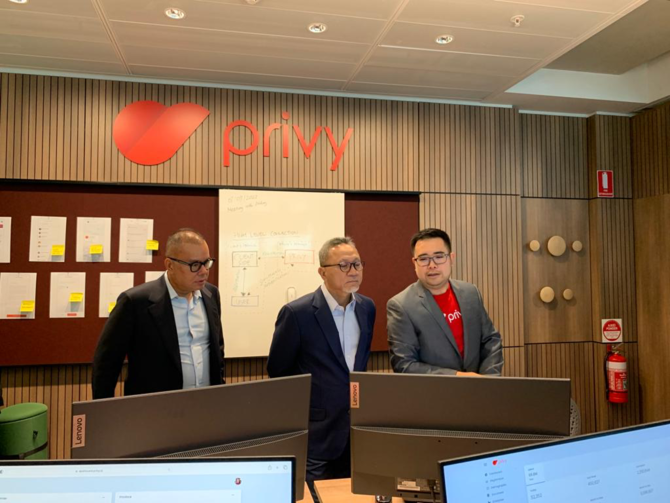
PrivyID’s journey began with a focus on providing trusted digital identity and legally binding digital signature services, utilizing digital certificates. The company achieved a significant milestone by becoming the first digital certificate provider to receive recognition from the Indonesian Ministry of Communication and Informatics. This accreditation is a critical factor in establishing trust and credibility for its services, both domestically and internationally.
The Broader Implications of High-Tech Service Exports
The Indonesian government’s strategic focus on promoting high-technology services exports, as exemplified by PrivyID’s expansion, signals a broader economic shift. For decades, Indonesia’s export earnings have been largely dominated by natural resources and commodities. While these sectors remain important, there is a recognized need to move up the value chain and leverage the nation’s growing pool of skilled talent in technology and digital services.
The success of PrivyID in Australia could pave the way for other Indonesian tech companies to explore similar international ventures. The digital economy is characterized by its borderless nature, and companies that can offer innovative, reliable, and cost-effective digital solutions have a significant opportunity to capture global market share. The expansion into Australia, a developed market with high digital adoption rates, serves as a strong validation of PrivyID’s capabilities and a valuable learning ground for future global expansion.
Supporting Data and Context
The global market for digital identity solutions and electronic signatures is experiencing robust growth. Reports from various market research firms indicate a compound annual growth rate (CAGR) in the double digits for these sectors. For instance, a recent analysis by Grand View Research projected the global digital signature market size to reach USD 16.76 billion by 2030, growing at a CAGR of 28.1% from 2023 to 2030. This burgeoning market presents a significant opportunity for companies like PrivyID to scale their operations and revenue.
Indonesia’s own digital economy is also expanding rapidly. The country has one of the largest internet user bases in the world, with a young and digitally-savvy population. This domestic market provides a strong foundation for tech companies to develop and refine their products and services before venturing abroad. The government’s investment in digital infrastructure and initiatives to promote digital literacy further contribute to this favorable ecosystem.
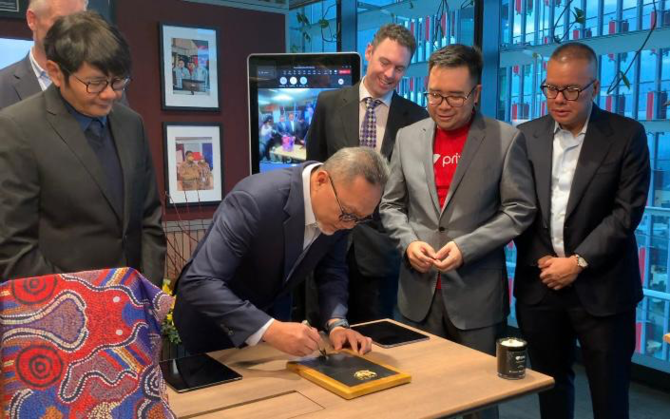
The IA CEPA program, under which PrivyID receives support, is designed to eliminate trade barriers and foster greater economic integration between Indonesia and Australia. By facilitating market access and promoting mutual recognition of standards, such agreements are crucial for enabling service exports. The success of PrivyID’s Sydney office opening can be seen as a direct outcome of such forward-thinking trade policies.
Future Outlook and Potential Impact
The establishment of PrivyID’s international office in Sydney is more than just a corporate expansion; it represents a strategic move by Indonesia to assert its presence in the global digital services landscape. If successful, this venture could:
- Enhance Indonesia’s Global Brand: Position Indonesia as a source of cutting-edge technology and innovative digital solutions, moving beyond its traditional commodity-export image.
- Boost Export Revenue: Diversify Indonesia’s export earnings, making the economy more resilient to fluctuations in commodity prices.
- Attract Foreign Investment: Demonstrate the potential of Indonesian tech companies, potentially attracting foreign direct investment into the sector.
- Foster Knowledge Transfer: Facilitate the exchange of expertise and best practices between Indonesian and Australian tech professionals, leading to further innovation.
- Create High-Skilled Jobs: Generate employment opportunities for skilled Indonesian workers in the technology sector.
The timeline of PrivyID’s development, from its inception to becoming a leading digital company in Indonesia and now expanding internationally, reflects a carefully executed growth strategy. The company’s ability to secure a significant user base domestically and to gain the trust of international partners will be critical to its long-term success in Australia and potentially other global markets. The ongoing support from the Indonesian Ministry of Trade, coupled with PrivyID’s commitment to innovation, suggests a promising future for Indonesia’s high-technology service export ambitions.
The inauguration event concluded with a clear message of optimism and a reinforced commitment from both the government and the private sector to elevate Indonesia’s standing in the global digital economy. The success of PrivyID in Australia will be closely watched as a potential blueprint for other Indonesian tech companies aiming to replicate this achievement on the international stage. The ongoing evolution of digital technologies and the increasing demand for secure and efficient digital services worldwide create a fertile ground for Indonesian innovation to flourish globally.