
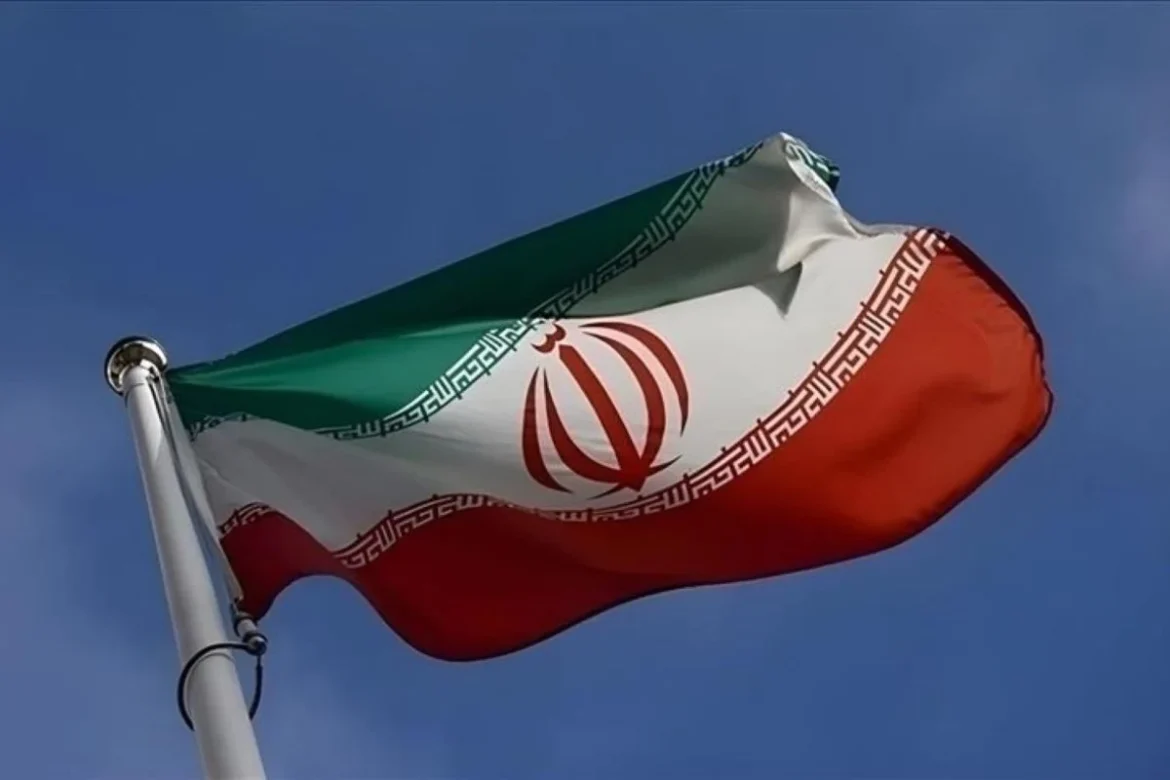
Jakarta (ANTARA) – Iran’s national currency has found itself at the heart of global attention, inextricably linked to escalating geopolitical tensions and shifting international economic policies. A significant development under the administration of former U.S. President Donald Trump saw the re-imposition of stringent tariffs, including levies of up to 25 percent, on nations engaging in business with Iran. This aggressive stance, aimed at curbing Iran’s economic activities and its nuclear program, has had profound ripple effects, most notably on the stability and value of the Iranian Rial. The currency’s trajectory has been marked by severe depreciation, at one point reportedly plummeting to its lowest level against the Euro, a stark indicator of the immense pressure exerted by prolonged sanctions and relentless domestic inflation on the Iranian economy.
However, a visit to Iran’s bustling traditional bazaars or modern shopping centers reveals a striking paradox: the term "Rial" is conspicuously absent from daily transactional conversations. Instead, locals universally employ the term "Toman" when quoting prices for goods and services. This linguistic and practical divergence from the official currency underscores the profound impact of hyperinflation, leading to the adoption of the Toman as an alternative unit of account to simplify large numerical values. This article delves into the intricacies of Iran’s monetary system, dissecting the official status of the Rial, the pervasive informal use of the Toman, and the nation’s ambitious redenomination project designed to reconcile this long-standing dual currency reality.
The Rial’s Precarious Position Amidst Geopolitical Storms
The official currency of the Islamic Republic of Iran is the Rial, designated by the international code IRR. It is the sole legal tender for all banking operations, government documents, and formal price listings in contemporary retail environments. Yet, its value has been under relentless assault for decades, a situation exacerbated by a complex interplay of internal economic policies and external geopolitical pressures.
The current currency crisis has deep roots in the tumultuous relationship between Iran and Western powers, particularly the United States. Following the 2015 Joint Comprehensive Plan of Action (JCPOA), often known as the Iran nuclear deal, international sanctions against Iran were eased, offering a brief period of economic respite. However, in May 2018, the Trump administration unilaterally withdrew the U.S. from the JCPOA, subsequently re-imposing and intensifying sanctions across critical sectors including oil, banking, shipping, and petrochemicals. These secondary sanctions effectively penalized any foreign entity doing business with Iran, severely curtailing its ability to export oil—its primary source of foreign currency—and integrate into the global financial system.
The immediate consequence was a dramatic decline in the Rial’s value. From a relatively stable exchange rate against major currencies prior to the sanctions’ re-imposition, the Rial plunged into freefall. The black market rate, which often reflects the true economic sentiment, diverged significantly from the official rate, creating multiple exchange rates and fostering corruption and inefficiency. The mention of the Rial hitting its lowest level against the Euro highlights the severity of this depreciation, making imports prohibitively expensive and eroding the purchasing power of ordinary Iranians. This economic isolation led to a drastic reduction in foreign investment, technological stagnation, and a deepening sense of economic uncertainty within the country.
A Tale of Two Currencies: Rial and Toman in Daily Life
Despite the Rial’s official status, daily life in Iran unfolds largely through the lens of the Toman. This informal but ubiquitous unit is the preferred nomenclature for transactions, from the smallest purchase in a neighborhood store to larger deals in traditional bazaars. The practical reason behind this widespread adoption lies in the astronomical figures that result from rampant inflation. To simplify pricing and avoid cumbersome strings of zeros, Iranians began mentally (and often verbally) dropping zeros from Rial denominations.
Historically, the Toman was itself an official currency of Iran until 1932, when it was replaced by the Rial. However, its popular usage persisted. In its contemporary informal application, one Toman is widely understood to be equivalent to 10,000 Rial. This means that if a vendor quotes a price of "60 Tomans," the actual amount to be paid is 600,000 Rial. This deep-seated practice of "redenomination by popular consent" reflects a coping mechanism by the public against the relentless erosion of their currency’s value.
For foreign visitors and international economic observers, this dual currency system often creates considerable confusion. Tourists, armed with official exchange rates for the Rial, may find themselves bewildered when confronted with prices quoted in Tomans, necessitating a quick mental conversion to avoid miscommunication or overpayment. This linguistic shortcut has become an ingrained part of Iranian economic culture, illustrating the disconnect between official monetary policy and the realities of everyday commerce.
The Roots of Weakness: Sanctions, Inflation, and Economic Headwinds
The weakening of the Iranian currency is a multi-faceted problem stemming from several interconnected factors, with U.S. sanctions playing a pivotal, albeit not exclusive, role.
-
International Sanctions: As detailed, the re-imposition of U.S. sanctions under the Trump administration severely restricted Iran’s access to international markets and banking systems. The inability to freely export oil, its primary revenue generator, led to a drastic shortage of foreign currency reserves. This scarcity makes it difficult for Iran to import essential goods, leading to domestic supply shortages and further inflationary pressures. The banking sector’s isolation also hampers foreign investment, technology transfer, and overall economic growth.
-
Persistent High Inflation: Iran has grappled with chronic double-digit inflation for decades, often soaring well above 40-50% annually in recent years. This high inflation is fueled by a combination of factors:
- Monetary Expansion: Government budget deficits, often exacerbated by sanctions-induced revenue shortfalls, are frequently financed by printing money, leading to an increase in the money supply without a corresponding increase in goods and services.
- Subsidies: Extensive government subsidies on essential goods and services, while intended to alleviate the burden on citizens, can distort market prices and contribute to inflationary spirals if not managed sustainably.
- Supply Chain Disruptions: Sanctions and internal inefficiencies create bottlenecks in supply chains, increasing the cost of production and distribution.
- Expectations: Public expectations of continued inflation can become a self-fulfilling prophecy, as businesses raise prices proactively and consumers accelerate purchases.
-
Oil Revenue Dependence and Volatility: Despite efforts to diversify, Iran’s economy remains heavily reliant on oil exports. Fluctuations in global oil prices and, more critically, the ability to sell oil unhindered by sanctions, directly impact the government’s budget and the nation’s foreign currency reserves. When oil revenues dwindle, the government faces difficult choices between cutting public spending (which can lead to social unrest) or printing more money (which fuels inflation).
-
Structural Economic Challenges: Beyond sanctions and inflation, Iran faces long-standing structural issues, including:
- Low Productivity: Inefficient state-owned enterprises and a lack of competition hinder productivity growth.
- Corruption: Pervasive corruption diverts resources, discourages investment, and undermines public trust.
- Brain Drain: The departure of skilled professionals and entrepreneurs seeking better opportunities abroad deprives the country of valuable human capital.
- Capital Flight: Wealthy individuals and businesses often seek to move assets out of the country, further depleting foreign currency reserves and investment potential.
These factors combine to create a challenging economic environment where the national currency struggles to maintain its value, eroding savings and increasing poverty.
Iran’s Bold Redenomination Gambit: The Official Shift to Toman
In an ambitious move to address the chronic devaluation of the Rial and the prevailing informal use of the Toman, the Iranian government, through the Central Bank of Iran (CBI), initiated a major redenominaton policy in 2020. This comprehensive plan aims to formally replace the Rial with a new version of the Toman, effectively re-anchoring the national currency.
The legislative process for this change began with a bill approved by the Iranian parliament in May 2020. The key aspect of this redenomination is the removal of four zeros from the national currency. Under the new scheme, 1 new Toman will be equivalent to 10,000 old Rial. This aligns the official currency with the widely accepted informal usage, seeking to simplify transactions, reduce mental calculation burdens, and potentially instill greater confidence in the currency.
The full implementation of this transition is planned to be gradual, spanning from 2025 to 2026, allowing for a smooth adaptation period for the public and businesses. As part of this reform, the new Toman will also be subdivided into smaller units called Qiran, where one Toman will consist of 100 Qiran. This introduces a fractional currency, common in many monetary systems globally, further streamlining pricing for smaller values.
During the transitional phase, both the old Rial banknotes and the new Toman/Qiran currency will circulate concurrently. This dual circulation is designed to prevent disruption and allow the public to gradually familiarize themselves with the new denominations. Newer banknotes are already being issued with smaller nominal values, sometimes accompanied by faint "shadow zeros" to visually guide the public toward the impending change and ease the psychological shift away from the larger numerical values of the old Rial.
The Central Bank of Iran’s objectives for this redenomination are multifaceted:
- Simplification: To make financial transactions easier for everyone by eliminating the need to count or write large numbers of zeros.
- Restoring Confidence: To project an image of currency stability and strength, even if the underlying economic challenges persist.
- Reducing Printing Costs: Over time, fewer banknotes with fewer zeros will be needed, potentially reducing the cost of currency production.
- Aligning with Public Practice: To formally recognize and integrate the Toman, which has long been the de facto currency for daily exchanges.
Historical Precedent and International Comparisons
Redenomination is not a novel concept in economic history. Numerous countries, particularly those grappling with hyperinflation, have resorted to similar measures to stabilize their currencies and simplify transactions. Examples include Turkey, which removed six zeros from its lira in 2005; Zimbabwe, which underwent multiple redenominations and eventually abandoned its currency amidst hyperinflation; and Venezuela, which has repeatedly slashed zeros from its bolivar in attempts to control its economic crisis.
The success of redenomination efforts, however, is highly contingent upon addressing the underlying economic maladies that caused the currency’s depreciation in the first place. Without fundamental reforms—such as fiscal discipline, robust monetary policy, and an environment conducive to investment and production—redenomination can merely be a cosmetic fix. While it can reduce the psychological burden of dealing with large numbers, it cannot, on its own, halt inflation or restore real purchasing power if the factors causing currency erosion persist. For Iran, this means that while the Toman may bring transactional ease, its long-term value will depend on a resolution to sanctions, effective management of inflation, and sustainable economic growth.
Implications and Future Outlook
The redenomination of Iran’s currency carries significant implications for various stakeholders:
-
For Iranian Citizens: The immediate benefit will be simplified daily transactions, making it easier to read prices and manage money. However, if inflation continues unabated, the new Toman’s value will also erode over time, necessitating further adjustments or leading to a return to informal currency practices. The true test will be whether the redenomination is accompanied by broader economic stability that preserves the purchasing power of their savings and wages.
-
For Foreign Investors and Businesses: A clearer, more simplified currency system could potentially reduce some of the operational complexities for foreign entities looking to engage with Iran. However, the overarching deterrents of international sanctions, political risk, and the challenging business environment will likely remain the primary considerations for investment decisions. Without a significant easing of sanctions and greater economic transparency, the currency redenomination alone may not be enough to attract substantial foreign capital.
-
For the Global Economy: Iran’s economic stability, particularly its ability to export oil, has broader implications for global energy markets. A more stable Iranian economy could potentially contribute to greater regional stability. However, as long as geopolitical tensions persist and sanctions remain in place, Iran’s full economic potential, and its ability to meaningfully contribute to global trade beyond specific sectors, will be constrained.
-
Challenges Ahead: The path forward for Iran’s currency is fraught with challenges. The Central Bank of Iran will need to meticulously manage the transition, ensuring public trust and preventing confusion. More critically, the government must tackle the root causes of inflation and currency weakness through sound fiscal and monetary policies, structural reforms, and efforts to integrate into the global economy. The interplay between domestic economic reforms and external geopolitical developments will ultimately determine the long-term success of the Toman and the broader health of the Iranian economy.
In conclusion, Iran’s ongoing currency saga is a compelling narrative of resilience in the face of immense pressure. The formal adoption of the Toman represents a pragmatic response to decades of inflation and the public’s informal adaptation. Yet, this monetary shift is but one piece of a much larger economic puzzle. Its success will ultimately hinge on Iran’s ability to navigate the complex currents of geopolitical challenges, implement sustainable economic policies, and foster an environment where its national currency can truly reflect a robust and stable economy.
Pewarta: Sean Anggiatheda Sitorus
Editor: Suryanto
Copyright © ANTARA 2026