

In an era where digital presence can determine the immediate success or failure of a small business, a growing rift has emerged between culinary entrepreneurs and the burgeoning class of food vloggers and digital content creators. A recent viral testimony from a culinary business owner has reignited a fierce debate regarding the ethics of "pay-to-play" reviews, where creators demand both financial compensation and complimentary services in exchange for promotional content. This phenomenon, while ostensibly a form of modern marketing, is increasingly being viewed as a predatory practice that threatens the authenticity of the food industry and the financial stability of small and medium-sized enterprises (SMEs).
The controversy gained significant traction following a social media post shared by an account identified as Li Dashu, which detailed the grievances of a local food business owner. The entrepreneur, who preferred to remain anonymous, described the disillusionment that followed an interaction with a prominent food reviewer. Unlike large-scale restaurant chains with substantial marketing budgets, this business owner had built their establishment from the ground up, relying primarily on the quality of their product and the loyalty of a local customer base to sustain operations. The incident has since become a focal point for a broader discussion on the professional standards—or lack thereof—within the influencer marketing landscape.
The Chronology of a Disputed Collaboration
The interaction began when a digital content creator approached the entrepreneur with a proposal for a promotional video. The influencer promised that the content would provide significant exposure, potentially driving a surge in new customers and establishing the restaurant as a "must-visit" destination. For a small business owner looking to scale, the prospect of reaching thousands of viewers through a trusted voice was initially appealing.
However, the negotiation quickly took a turn that the owner found ethically and financially troubling. According to the account shared via the China-based media outlet NOUODOU, the content creator did not merely request a complimentary meal to review the menu; they also demanded a separate professional fee for the production and distribution of the content. The entrepreneur expressed shock at this dual requirement. "They eat at our place, they make a video, but we also have to pay them," the owner noted. "I was taken aback by the expectation."
Seeking to understand the nature of the partnership, the owner questioned the creator regarding the objectivity of the upcoming review. The owner asked whether the creator would provide an honest assessment if they found the food to be unsatisfactory. The creator’s response was telling: "Don’t worry, we won’t say anything bad." This admission confirmed the owner’s suspicion that the "review" was not an editorial critique but a paid advertisement masquerading as an authentic recommendation.

The Erosion of Authenticity in the Digital Age
The core of the issue lies in the blurring of lines between objective food criticism and paid endorsements. Historically, food critics operated under a code of ethics that included anonymity and paying for their own meals to ensure an unbiased perspective. In the age of social media, however, the "food vlogger" model often prioritizes aesthetic appeal and viral potential over culinary accuracy.
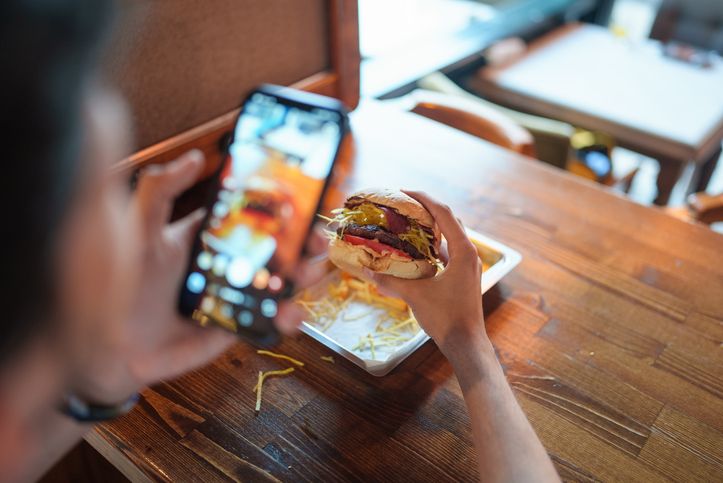
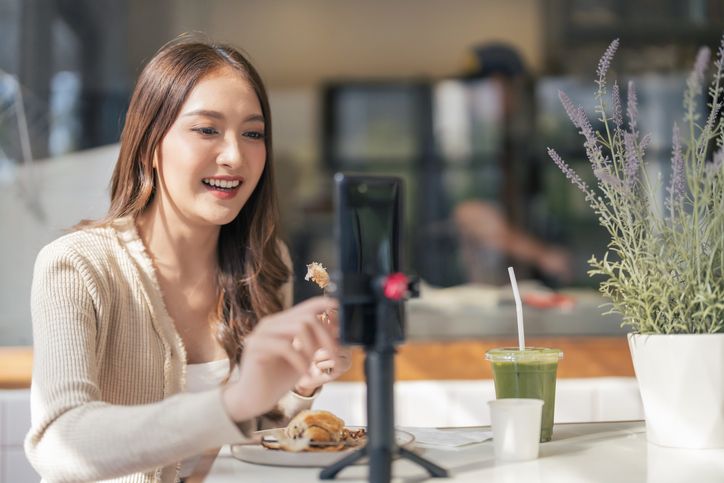
The entrepreneur highlighted a recurring problem in the industry: the use of sophisticated cinematography, high-speed editing, and hyperbolic narratives to make mediocre food appear extraordinary. Terms like "hidden gem," "viral sensation," or "mandatory eat" are frequently used to generate clicks, regardless of the actual quality of the dining experience.
This practice creates a cycle of disappointment for the consumer. When a customer visits a restaurant based on a glowing, paid-for review and finds the reality lacking, they are unlikely to return. For the business owner, this results in a "one-and-done" customer base. The initial spike in traffic caused by a viral video often masks a long-term decline in reputation. "The ones who lose in the end are us, the business owners," the entrepreneur explained. "People come once because of the hype, but because the expectations were set unrealistically high by the vlogger, they never come back."
The Financial Burden on Small and Medium Enterprises
For many SMEs, the costs associated with these influencers are becoming unsustainable. While large corporations can absorb the cost of "influencer kits" and high appearance fees, small businesses operating on thin margins find it difficult to justify paying millions of rupiah in fees on top of providing free inventory.
Industry data suggests that the influencer marketing industry has grown into a multi-billion dollar global economy. In Southeast Asia, micro-influencers (those with 10,000 to 100,000 followers) have become particularly sought after by brands for their perceived "clout" and higher engagement rates. However, the lack of standardized pricing and the absence of clear disclosure labels (such as "Paid Partnership" or "Advertisement") often leave small business owners vulnerable to exploitation.
In some reported cases, the pressure exerted by creators borders on professional coercion. Some entrepreneurs have reported that certain vloggers subtly imply that a refusal to provide free food or payment could result in a negative review or a complete lack of coverage, which in the digital economy, can feel like a death sentence for a new establishment.
Reactions from the Culinary and Digital Communities
The viral post has elicited a wide range of reactions from various stakeholders. Fellow business owners have echoed the sentiments of the anonymous entrepreneur, sharing their own stories of "influencer fatigue." Many argue that the focus should return to traditional word-of-mouth marketing and organic growth.
Conversely, some professional content creators have stepped forward to defend the industry, noting that high-quality video production requires expensive equipment, hours of editing, and significant time investment. They argue that charging a fee is a legitimate business practice for the services rendered. However, the consensus among ethical creators is that transparency is paramount. Professional associations for digital creators emphasize that if a meal is free or a fee is paid, it must be disclosed to the audience to maintain trust.
Marketing experts suggest that the current friction is a symptom of a maturing market. As the novelty of food vlogging wears off, consumers are becoming more discerning. They are beginning to recognize the "template" of a paid review and are seeking out creators who offer genuine, unvarnished opinions, even if those opinions are occasionally critical.
Analyzing the Long-term Implications for the Industry
The shift toward paid-only reviews has several long-term implications for the culinary landscape:
-
Market Saturation and Consumer Cynicism: As more reviews become paid advertisements, the value of a "recommendation" decreases. If every restaurant is a "hidden gem," then none of them are. This leads to a general distrust of digital creators, which may eventually lead to the decline of the food vlogging niche itself.
-
The Survival of Quality Over Hype: The entrepreneur in the viral post concluded with a poignant observation: "If your restaurant goes viral because of these methods, you must be ready to fall just as quickly. What makes a customer return isn’t a review, but the fact that the food is actually good." This serves as a reminder that marketing cannot substitute for a quality product.
-
Regulatory Pressure: In many jurisdictions, consumer protection agencies are beginning to look more closely at influencer disclosures. Failure to label paid content can lead to legal repercussions for both the creator and the brand. As these regulations tighten, the "hidden advertisement" model described by the entrepreneur may become a legal liability.
-
A Shift in Marketing Strategy: Forward-thinking SMEs are moving away from one-off viral hits and toward building community. This includes engaging with customers directly on social media, hosting local events, and focusing on loyalty programs rather than chasing the approval of high-fee vloggers.
Conclusion: Navigating the Future of Food Promotion
The viral story of the frustrated entrepreneur serves as a cautionary tale for the modern digital economy. While food vloggers can be a powerful tool for discovery, the "pay-to-play" model—especially when it lacks transparency and honesty—threatens the very businesses it claims to support.
For the culinary industry to remain healthy, there must be a return to a more balanced relationship between creators and business owners. Professionalism, clear communication of fees, and, most importantly, a commitment to honest reporting are essential. Business owners are encouraged to vet potential partners thoroughly, asking for engagement metrics rather than just follower counts, and insisting on a clear contract that outlines the nature of the review.
Ultimately, the longevity of a restaurant is built on the plate, not on the screen. As the entrepreneur aptly noted, the true test of a business is the returning customer—a metric that no amount of paid "viral" content can artificially sustain for long. The industry stands at a crossroads where it must choose between the short-term dopamine hit of viral fame and the long-term stability of authentic quality and consumer trust.
