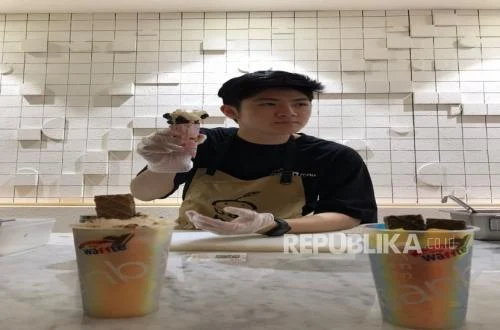
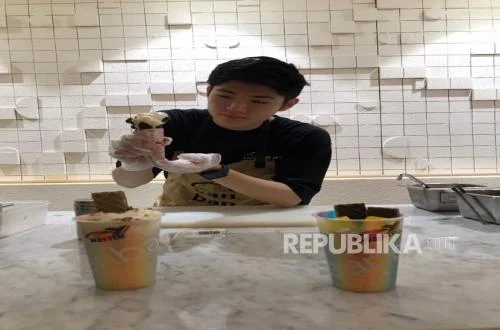
The Indonesian food and beverage landscape witnessed a significant intersection of legacy snacking and modern artisanal tea culture as Ban Ban Indonesia officially announced its latest collaboration with Tango Waffle. The partnership, unveiled during a press event in Jakarta on Friday, February 10, 2023, represents a strategic move to cater to an increasingly health-conscious consumer base while maintaining the indulgent appeal that both brands are known for. Wenny Tanubrata, the Chief Marketing Officer of Ban Ban Indonesia, emphasized that this collaboration is more than just a seasonal menu item; it is an extension of the brand’s core philosophy which prioritizes a healthy lifestyle through mindful ingredient selection. Since its inception, Ban Ban has positioned itself as a premium tea provider that favors natural sweeteners, primarily derived from fresh fruits, over synthetic syrups or excessive refined sugars.
In this latest venture with Tango Waffle—a flagship brand under the Orang Tua (OT) Group—the development team focused on minimizing added sugars by leveraging the inherent sweetness and texture of the Tango Waffle cookies themselves. The resulting product is a multifaceted beverage that integrates the crunch of the waffle with the creamy, smooth profile of Ban Ban’s signature tea and milk bases. This approach aligns with broader global trends where consumers are seeking "permissible indulgence," or treats that provide satisfaction without the guilt associated with high caloric or high sugar intake. By using the cookie as the primary flavor and sweetener agent, the collaboration showcases a technical innovation in beverage formulation that balances taste with nutritional mindfulness.
The Chronology and Context of the Collaboration
The collaboration was officially introduced to the public during a launch ceremony held in the heart of Jakarta. The event served as a platform for Ban Ban to reiterate its commitment to the "Healthy Lifestyle" movement that has been gaining momentum in Indonesia’s urban centers. According to Wenny Tanubrata, the journey toward this partnership began with a shared vision of creating a product that resonates with the founders’ personal preferences. She noted that the founders of Ban Ban are not proponents of overly sweet flavors, which has naturally dictated the brand’s research and development direction. This personal ethos has been translated into a business model that offers consumers flexibility, including the option to order beverages with zero added sugar—a rarity in the traditionally sugar-heavy bubble tea and specialty beverage industry.
The development phase of the Tango Waffle and Ban Ban menu involved rigorous testing to ensure that the texture of the waffle remained a highlight without becoming soggy or lost within the liquid components. The timeline of the product’s rollout suggests a strategic push during the first quarter of the year, a period often associated with "new beginnings" and health-related resolutions among consumers. By launching in February, the brands capitalized on the post-New Year health trend while also positioning the product as a premium treat for the Valentine’s season and beyond.
Product Composition and Nutritional Philosophy
The specific menu resulting from this collaboration is built upon a foundation of high-quality ingredients. The composition includes Tango Waffle pieces, fresh milk, and a specialized egg pudding, served over ice. For those seeking a richer experience, a layer of cream can be added as a topping. The standout feature, however, remains the sugar management. Wenny Tanubrata highlighted that the sweetness is predominantly sourced from the Tango Waffle itself. This "built-in" sweetness allows the beverage to maintain a consistent flavor profile even when customers opt for the "no added sugar" version of the drink.
The use of fresh milk and egg pudding adds a source of protein and calcium, distinguishing the drink from typical "empty calorie" sodas or fruit-flavored powders. Ban Ban’s insistence on using fruit-based sweeteners for its wider menu further supports the narrative of a brand that views tea as a functional beverage. In the context of the Tango Waffle collaboration, the goal was to prove that a popular, mass-market snack could be elevated into a sophisticated, healthier beverage format when paired with the right artisanal techniques.
Background on the Participating Brands
To understand the impact of this collaboration, it is essential to look at the history and market position of the two entities involved. Ban Ban Indonesia has carved out a niche in the competitive Indonesian F&B market as a "premium bubble tea" or "fruit tea" specialist. Unlike many of its competitors that rely on low-cost powders and high-fructose corn syrup, Ban Ban has built its reputation on fresh ingredients and aesthetic presentation. This focus on quality has allowed it to maintain a loyal following among middle-to-upper-class consumers who are willing to pay a premium for a perceived increase in health benefits and taste quality.
On the other hand, Tango Waffle is a product of the OT Group (Orang Tua), one of Indonesia’s most established consumer goods companies. Tango has been a household name in the biscuit and wafer category for decades. By collaborating with a modern, trendy brand like Ban Ban, Tango Waffle effectively bridges the gap between generations. It allows the legacy brand to stay relevant in the eyes of Gen Z and Millennial consumers who frequent high-end malls and artisanal cafes, while Ban Ban benefits from the massive brand recognition and nostalgic value associated with the Tango name.
Market Analysis: The Shift Toward Health-Conscious Consumption
The Ban Ban and Tango Waffle collaboration arrives at a time when the Indonesian government and health organizations are increasingly concerned about the rise of lifestyle-related diseases, such as diabetes and obesity. Recent data from the Indonesian Ministry of Health indicates a steady increase in the prevalence of diabetes among adults, much of which is attributed to high-sugar diets. This has led to discussions regarding the implementation of an excise tax on sweetened processed beverages (MBDK), similar to taxes seen in other Southeast Asian nations like Thailand and the Philippines.
In this regulatory and social climate, F&B brands that proactively reduce sugar content are not just acting ethically; they are future-proofing their business models. Ban Ban’s strategy of offering "sugar-free" options and relying on natural sweeteners places them ahead of the curve. Industry analysts suggest that the "healthy" segment of the specialty beverage market is expected to grow at a faster rate than the traditional segment over the next five years. Consumers are increasingly scrutinizing labels and asking for transparency regarding the ingredients in their favorite drinks.
The Role of Co-Branding in the Modern F&B Sector
This partnership is a classic example of successful co-branding, a marketing strategy where two brands collaborate to create a unique product that carries both their identities. The synergy between a "snack" and a "drink" is a proven formula for driving foot traffic. For Ban Ban, the inclusion of a crunchy element like Tango Waffle provides a "snackable" beverage experience, which increases the product’s value proposition. For Tango, it provides a new consumption occasion—instead of just being a snack in a box, the waffle becomes a gourmet ingredient in a premium beverage.
Market experts note that such collaborations often lead to a "halo effect," where the positive attributes of one brand are transferred to the other. Ban Ban’s "healthy and premium" image rubs off on Tango, while Tango’s "reliable and classic" image adds a layer of comfort and familiarity to Ban Ban’s innovative menu. This is particularly effective in the Indonesian market, where social media play a massive role in consumer choices. The visual appeal of a Tango Waffle sticking out of a beautifully layered Ban Ban tea is tailor-made for platforms like Instagram and TikTok, ensuring organic reach and high engagement.
Official Responses and Inferred Implications
While the launch focused on the product’s taste and health benefits, the underlying message from the corporate leadership was one of adaptation and consumer-centricity. Wenny Tanubrata’s statements reflect a deep understanding of the modern consumer’s psyche. "As founders, we also do not like things that are too sweet," she stated, emphasizing that the brand’s direction is an authentic reflection of its leadership’s values. This authenticity is a powerful tool in brand building, as it creates a sense of trust with the audience.
The broader implications for the F&B industry in Indonesia are significant. If a major collaboration between a legacy snack giant and a premium tea brand can successfully prioritize low-sugar formulations, it sets a precedent for other players in the market. It challenges the notion that "sweet" is the only way to achieve "delicious." Furthermore, it highlights the importance of ingredient synergy. Instead of adding sugar, brands are now looking at how different food components—like waffles, puddings, or fresh fruits—can provide a complex flavor profile that satisfies the palate without the need for additives.
Conclusion and Future Outlook
The collaboration between Tango Waffle and Ban Ban Indonesia is a landmark event in the evolution of the Indonesian beverage industry. By launching a product that celebrates a healthy lifestyle without sacrificing the joy of indulgence, the two brands have successfully navigated a complex consumer landscape. The move to minimize sugar and utilize the natural flavors of the ingredients marks a shift toward more responsible and sophisticated product development.
As the product becomes available across Ban Ban outlets, its performance will likely be a bellwether for future "healthy" collaborations in the region. With the Indonesian middle class continuing to expand and health literacy on the rise, the demand for such innovative, low-sugar options is only expected to grow. The success of this launch on February 10, 2023, underscores a pivotal moment where tradition meets modern wellness, proving that even the most classic snacks can find a new, healthier life in the hands of creative and health-conscious innovators. For Ban Ban and Tango, the future looks not just sweet, but naturally and mindfully so.