
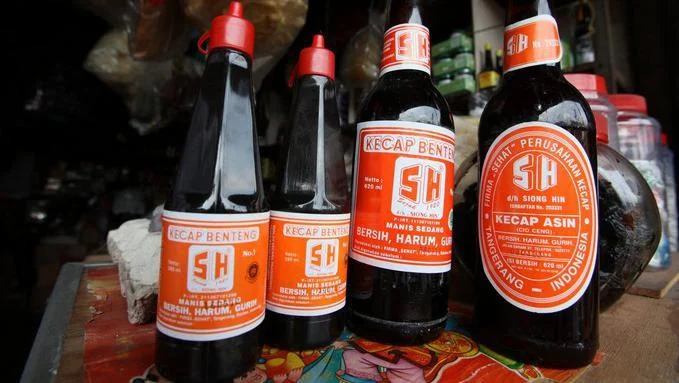
In the landscape of Indonesian gastronomy, few condiments hold as much cultural and culinary weight as kecap manis, the thick, syrupy sweet soy sauce that serves as the backbone of the nation’s flavor profile. While the modern market is dominated by multinational conglomerates and mass-produced brands, a handful of legendary labels continue to thrive by adhering to century-old traditions. Among these, Kecap Cap SH, hailing from the historic district of Tangerang, stands as a testament to resilience, heritage, and the enduring appeal of artisanal craftsmanship. Established during the colonial era, this brand has survived world wars, economic shifts, and the rise of industrial food processing to remain a staple for connoisseurs and culinary professionals alike.
To understand the significance of Kecap Cap SH, one must look beyond the bottle and into the history of the "Cina Benteng" community and the evolution of Indonesian fermentation techniques. The following analysis explores the six defining facts of this legendary brand, its historical context, and its place in the modern Indonesian economy.
1. A Century of Culinary Continuity: Established in 1920
The story of Kecap Cap SH began in 1920, a time when Indonesia—then known as the Dutch East Indies—was undergoing significant social and economic transitions. Located in the Pasar Lama area of Tangerang, the brand was born in a bustling hub of trade and cultural exchange. Reaching the 100-year milestone is a feat rarely achieved in the volatile food and beverage industry, yet Kecap Cap SH has managed to navigate the transition from the colonial Dutch administration to the Japanese occupation, through the struggle for independence, and into the digital age of the 21st century.
Throughout these decades, the brand’s primary value proposition has been the consistency of its flavor. Loyal customers, ranging from home cooks to third-generation restaurant owners, often remark that the taste of Kecap SH remains identical to the sauce their ancestors used. This consistency is attributed to the family-run nature of the business, which has prioritized the preservation of the original recipe over rapid, large-scale expansion.
2. The Legacy of Siong Hin: The Man Behind the Initials
The "SH" in the brand’s name is not merely a trademark but a tribute to its founder, Siong Hin. A member of the Chinese-Indonesian community in Tangerang, Siong Hin utilized traditional soybean fermentation techniques that had been passed down through generations. The history of soy sauce in Indonesia is inextricably linked to the arrival of Chinese immigrants, who introduced the concept of jiang-you (soy sauce). Over time, this evolved into the uniquely Indonesian kecap manis through the addition of local palm sugar (gula jawa) and various aromatic spices such as star anise, galangal, and lemongrass.
Siong Hin’s venture was part of a broader historical movement where Chinese entrepreneurs established small-scale "home industries" to serve local neighborhoods. By naming the product after his own initials, Siong Hin placed his personal reputation on the line, a common practice among early 20th-century artisans that emphasized accountability and pride in one’s craft.
3. The Identity of "Kecap Benteng" and Local Cultural Heritage
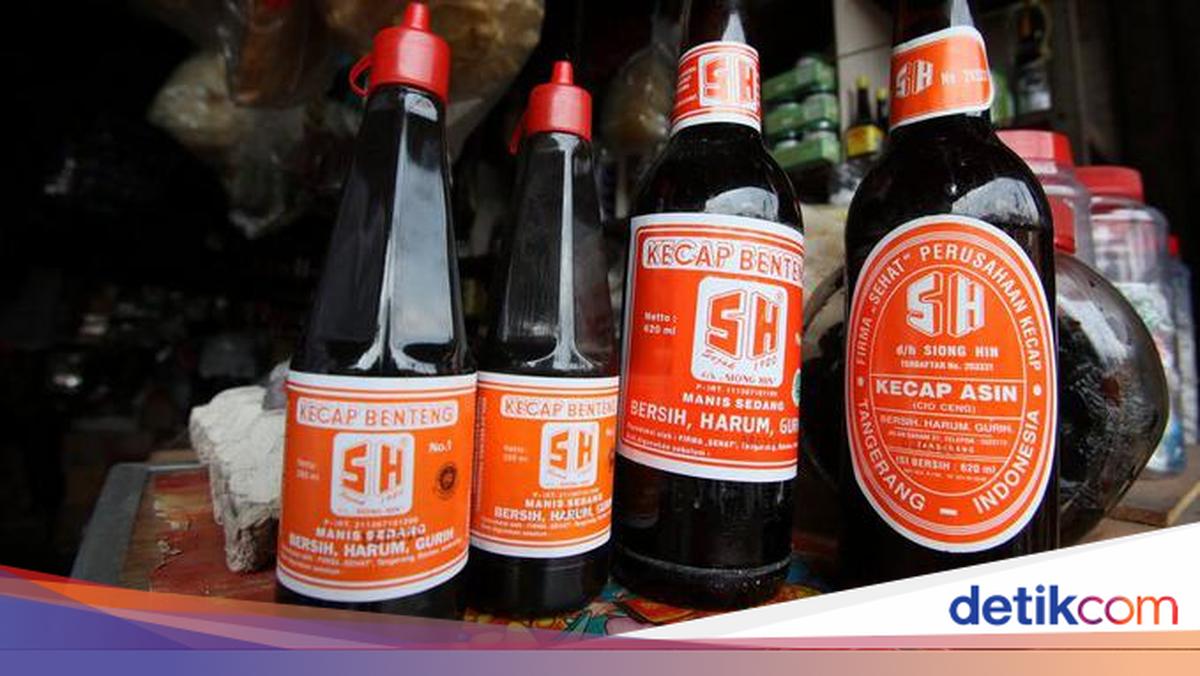
In Tangerang and its surrounding regions, Kecap Cap SH is more commonly referred to as "Kecap Benteng." This moniker is deeply rooted in the local identity of the "Cina Benteng" people—the descendants of Chinese immigrants who settled in the Tangerang area, which was once a fortified colonial outpost (hence the name Benteng, meaning "Fort").
The term "Kecap Benteng" has become a brand in itself, representing a specific style of soy sauce that is characteristic of the region. For the people of Tangerang, Kecap SH is more than just a condiment; it is a cultural icon. It represents the successful assimilation and synthesis of Chinese culinary techniques with Indonesian ingredients. This cultural anchoring has protected the brand from being overshadowed by larger competitors, as local pride ensures a steady and devoted consumer base that views the product as an essential part of their regional heritage.
4. Contextualizing Seniority: The Timeline of Indonesian Soy Sauce
While Kecap Cap SH is undeniably one of the oldest brands in the country, it exists within a broader lineage of legendary soy sauce producers. Historical records indicate that the commercial production of soy sauce in Indonesia began in the late 19th century. To provide context to the 1920 founding of Kecap SH, it is important to note its predecessors:
- Kecap Cap Istana (formerly Kecap Benteng Teng Hong): Founded in 1882 in Tangerang, this is often cited as one of the earliest commercial brands, predating SH by nearly four decades.
- Kecap Cap Orang Jual Sate: Established in 1989 in Kebumen, Central Java, this brand also predates the 1900s and remains a major player in the premium segment today.
- Kecap Bango: Founded in 1928 in Tangerang, Bango eventually grew into a national powerhouse after being acquired by Unilever, illustrating a different trajectory from the family-owned model of SH.
The survival of Kecap SH alongside these other centenarians highlights a unique aspect of the Indonesian market: the high value placed on "vintage" flavors and the "authentic" labels of the past.
5. Traditional Production: The Secret to the "Hitam Legit" Profile
One of the most significant factors that differentiates Kecap Cap SH from industrial giants is its commitment to traditional production methods. While modern factories use chemical hydrolysis to rapidly break down soybean proteins—a process that can take mere hours—Kecap SH continues to utilize natural fermentation.
The process begins with the selection of high-quality black soybeans, which are boiled and then inoculated with specific molds to begin the "koji" stage. This is followed by a lengthy brining process in large vats, known as the "moromi" stage, which can last for several months. During this time, enzymes break down the beans, developing a complex umami profile that cannot be replicated by artificial means.
Furthermore, Kecap SH is known for its "limited" production scale. The factory does not prioritize flooding the national market; instead, it often operates on a pre-order basis or supplies a specific network of distributors. This artisanal approach ensures that each batch meets the rigorous standards set by the descendants of Siong Hin. The result is a sauce characterized by its hitam legit (dark and sweet) quality—a viscous texture and a deep, caramelized sweetness that perfectly balances the saltiness of the fermented beans.
6. The Backbone of Street Food and Culinary Institutions
Despite the lack of massive advertising campaigns or celebrity endorsements, Kecap Cap SH maintains a dominant presence in the professional culinary sector. It is the "secret ingredient" for many of Tangerang’s most famous eateries. From the legendary Bakso Bandi (established in 1968) to various Sate Maranggi and Nasi Goreng vendors, the use of Kecap SH is often seen as a mark of quality.
Street food vendors, who operate on thin margins, remain loyal to the brand because of its "power" or intensity. Because the sauce is so thick and flavorful, a smaller amount is required to achieve the desired color and taste in a dish compared to thinner, cheaper alternatives. This makes it an economically viable choice for businesses that refuse to compromise on flavor.
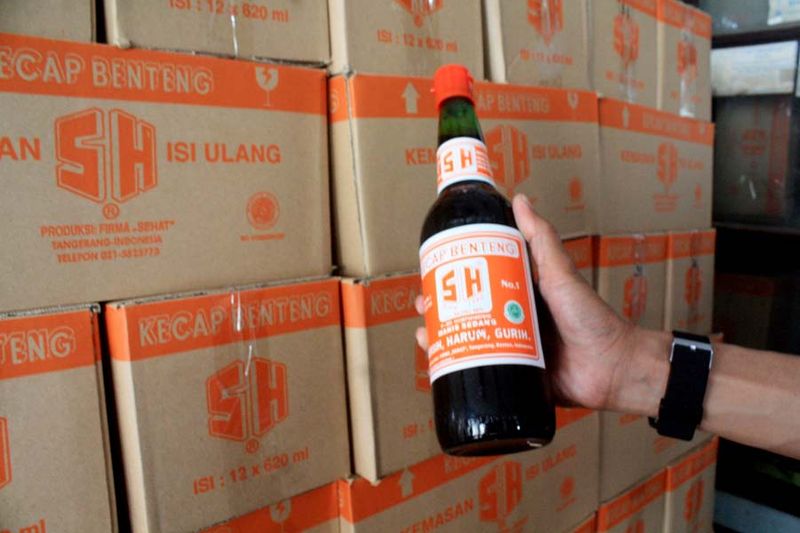
Currently, Kecap Cap SH is available in various sizes, from small sachets to large plastic jerry cans for industrial use. In local Tangerang markets and specialized grocery stores, the price typically ranges from Rp 11,000 to Rp 30,000, depending on the volume. Its availability remains somewhat localized, which only adds to its "cult" status among food enthusiasts who often travel to Tangerang specifically to stock up on the authentic "Kecap Benteng."
Broader Implications and Economic Resilience
The longevity of Kecap Cap SH provides a fascinating case study in economic resilience. In an era of globalization where local brands are often swallowed by multinationals, Kecap SH has survived by leaning into its "localness." It does not try to be everything to everyone; instead, it serves a specific community and a specific culinary niche with absolute precision.
From a business perspective, the brand’s refusal to modernize its production to a fully automated industrial scale is a strategic choice. By maintaining traditional methods, they have created a "barrier to entry" for competitors—while anyone can mass-produce soy sauce, no one can easily replicate a flavor profile that is the result of a specific 100-year-old fermentation environment and local water chemistry.
Furthermore, the brand’s success reflects a growing trend in the Indonesian consumer market: a return to "heritage" products. As the middle class grows, there is an increasing appetite for artisanal goods with a story. Kecap Cap SH, with its roots in the Pasar Lama district and its connection to the Siong Hin legacy, is perfectly positioned to capture this "nostalgia economy."
In conclusion, Kecap Cap SH is more than a condiment; it is a liquid archive of Tangerang’s history. As it moves into its second century of operation, it remains a shining example of how traditional Indonesian businesses can maintain their soul while navigating the complexities of the modern world. Whether drizzled over a bowl of steaming bakso or stirred into a wok of nasi goreng, the dark, sweet legacy of Siong Hin continues to define the taste of a region and the heritage of a nation.
