
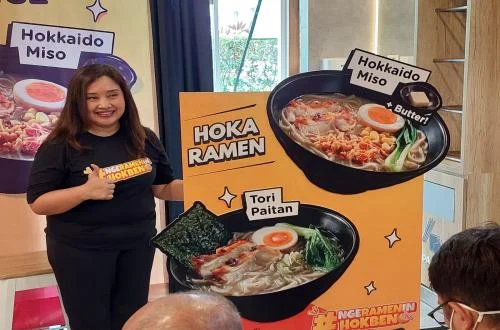
Following the successful introduction of its Hoka Ramen line in late 2022, PT. Eka Bogainti, the operator of the prominent Japanese-style fast-food chain HokBen, has officially launched its newest addition, the Spicy Ramen. This strategic move aims to capitalize on the profound preference for spicy flavors among Indonesian consumers, marking a significant expansion of the brand’s noodle-based offerings. The Spicy Ramen joins the previously established Hokkaido Miso Ramen and Tori Paitan Ramen, completing a trio of flavors designed to cater to diverse palates across the archipelago. As the food and beverage industry in Indonesia continues to witness a resurgence in post-pandemic dining, HokBen’s latest menu innovation reflects a broader trend of localization within international culinary frameworks.
Strategic Expansion of the Hoka Ramen Portfolio
The launch of the Spicy Ramen represents a calculated step in HokBen’s long-term product diversification strategy. For decades, the brand was synonymous with its signature bento boxes, featuring teriyaki, yakiniku, and various fried side dishes. However, the introduction of the Hoka Ramen series in late 2022 signaled a pivot toward a more comprehensive Japanese dining experience. By early 2023, the brand identified a specific market gap: the demand for a heat-intensive noodle dish that mirrors the local "pedas" (spicy) culture.
The Spicy Ramen is crafted using a concentrated chicken broth base, infused with a proprietary blend of spices to achieve its signature heat. The dish is served with a variety of traditional and localized toppings, including thinly sliced chicken chasiu, ni tamago (seasoned soft-boiled egg), pakcoy (bok choy), green onions, and wood ear mushrooms (jamur kuping). To accommodate different appetite levels and price sensitivities, HokBen has introduced the dish in two sizes. The Regular portion is priced at IDR 38,000, while the Large portion is available for IDR 48,000, positioning the product within the accessible mid-range segment of the Indonesian casual dining market.
Addressing the Indonesian Palate: The "Pedas" Phenomenon
The decision to focus on a spicy variant is grounded in deep-seated consumer behavior patterns within Indonesia. Market research consistently shows that Indonesian diners have a high affinity for spicy condiments and main courses. From traditional sambals to the modern "level-based" spicy noodle craze, the heat factor is often a primary driver for food selection in the country.
Francisca Lucky, General Manager of Marketing at PT. Eka Bogainti, emphasized that the development of the Spicy Ramen was directly inspired by these local preferences. According to Lucky, the variety of spicy flavors in the new ramen is intended to complete the choices available to HokBen customers, particularly those who have already embraced the Hoka Ramen line but were seeking a more intense sensory experience. By merging the traditional Japanese ramen structure with a flavor profile that resonates with the local tongue, HokBen seeks to strengthen its brand loyalty among the younger demographic and families who frequent their outlets for lunch and dinner.
Chronology of Product Development and Launch
The journey toward the Spicy Ramen began in the fourth quarter of 2022. At that time, HokBen recognized the rising popularity of ramen-specialty houses in major urban centers like Jakarta, Surabaya, and Bandung. To compete, the company launched the Hokkaido Miso Ramen, characterized by its rich, fermented soybean paste base, and the Tori Paitan Ramen, known for its creamy, collagen-rich chicken broth.
While these two variants were well-received for their authenticity and comfort-food appeal, feedback from the field indicated a desire for a "kick" that only chili-based broths could provide. Consequently, the research and development team at PT. Eka Bogainti spent several months refining the Spicy Ramen recipe to ensure that the heat did not overwhelm the underlying umami of the chicken broth. The official rollout in early 2023 was supported by a nationwide marketing campaign across HokBen’s extensive network of over 350 stores, ensuring that the new variant was available to a broad geographic audience simultaneously.
Market Analysis and Competitive Landscape
The Indonesian ramen market has become increasingly crowded over the last decade. Established international chains and local startups have flooded the market, ranging from high-end artisanal ramen shops to affordable street-side stalls. HokBen’s entry into this specific niche is significant because of its massive existing infrastructure and brand recognition.
Unlike specialized ramen houses that may only operate in premium malls, HokBen maintains a presence in various formats, including standalone buildings, mall food courts, and transit hubs. This ubiquity allows the Hoka Ramen line to reach consumers who might not otherwise visit a dedicated ramen restaurant. Furthermore, HokBen’s long-standing Halal certification from the Indonesian Ulema Council (MUI) provides a competitive edge, as it reassures the country’s Muslim-majority population regarding the ingredients used in their broth and toppings—a common concern with traditional Japanese ramen which often utilizes pork products.
Data from the Indonesian Food and Beverage Association (GAPMMI) suggests that the F&B sector is one of the primary drivers of the national economy, contributing significantly to the non-oil and gas processing industry’s GDP. Innovations like the Spicy Ramen are essential for maintaining the momentum of consumer spending. Analysts point out that by pricing the ramen under the IDR 50,000 threshold, HokBen is targeting the "sweet spot" of the middle-class budget, making "specialty" food feel like an everyday affordable luxury.
Quality Assurance and Ingredient Sourcing
A critical component of the Hoka Ramen’s marketing narrative is the emphasis on quality and "Japaneseness." Despite being a homegrown Indonesian brand, HokBen has always cultivated an image of Japanese discipline and quality control. The Spicy Ramen is no exception. The company asserts that the ingredients, from the wheat used in the noodles to the specific mushrooms and vegetables, undergo rigorous quality checks to maintain consistency across all outlets.
The texture of the noodles is specifically designed to be "juicy" and absorbent, allowing the spicy broth to permeate each strand. The chicken chasiu, a halal alternative to the traditional pork belly, is prepared through a slow-cooking process to ensure tenderness. This attention to detail is part of HokBen’s effort to elevate its brand perception from a simple fast-food joint to a "Japanese-style family restaurant."
Broader Implications for the Fast-Food Industry
The move by HokBen reflects a larger shift in the global and local fast-food industry toward "fast-casual" dining. Consumers are increasingly seeking higher-quality ingredients and more complex flavor profiles than what is typically offered by traditional burger or fried chicken chains. By integrating ramen—a dish traditionally requiring hours of preparation—into a fast-service model, HokBen is responding to the modern consumer’s demand for both quality and speed.
Furthermore, this expansion suggests a trend of "menu hybridization." As culinary boundaries blur, brands are finding success by taking a core product (like Japanese ramen) and infusing it with local soul (Indonesian spice). This strategy not only attracts new customers but also encourages "menu fatigue" prevention among existing patrons who may have grown tired of the standard bento offerings.
Official Responses and Consumer Reception
While official sales figures for the Spicy Ramen are typically proprietary, initial social media sentiment and foot traffic reports suggest a positive reception. Food bloggers and culinary influencers in Indonesia have highlighted the Spicy Ramen for its balance of heat and savory notes. Many have noted that the price point makes it one of the most competitive halal ramen options in the market.
From an operational standpoint, the introduction of ramen has required HokBen to update its kitchen workflows and equipment, including specialized noodle boilers and broth warmers. This investment indicates that the company views ramen not just as a seasonal gimmick, but as a permanent and vital pillar of its future menu.
Conclusion and Future Outlook
As HokBen continues to navigate the competitive landscape of 2023 and beyond, the Spicy Ramen serves as a testament to the brand’s adaptability. By staying attuned to the cultural nuances of its primary market—specifically the Indonesian love for spicy food—PT. Eka Bogainti has successfully modernized a heritage brand.
Looking ahead, industry experts anticipate that HokBen may continue to explore other regional Japanese flavors, perhaps incorporating elements from different prefectures or seasonal ingredients. The success of the Hoka Ramen line, capped by the launch of the Spicy Ramen, provides a blueprint for how traditional fast-food entities can evolve through strategic product innovation, localization, and a deep understanding of consumer psychology. For the Indonesian diner, the result is more than just a new meal option; it is the democratization of a once-niche culinary experience, made available at the nearest HokBen outlet.
