
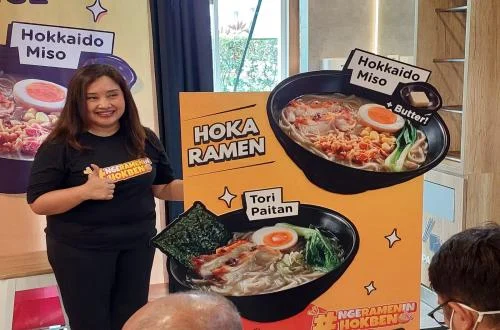
Following the successful introduction of its Hoka Ramen line in late 2022, PT Eka Bogainti, the parent company of the prominent Japanese-style fast-food chain HokBen, has officially announced the launch of its latest menu innovation: Spicy Ramen. This strategic addition to the company’s diverse culinary offerings is specifically designed to cater to the Indonesian palate, which historically favors bold and spicy flavor profiles. The launch, which took place in Jakarta on Tuesday, February 14, 2023, marks a significant milestone in HokBen’s ongoing efforts to diversify its menu beyond its traditional bento-based roots and solidify its position in the competitive ramen market.
General Manager of Marketing at PT Eka Bogainti, Francisca Lucky, stated during the product unveiling that the development of the Spicy Ramen variant was a direct response to consumer feedback and market trends. According to Lucky, the spicy flavor profile was inspired by the culinary preferences of the majority of Indonesians, who consider spicy elements an essential part of their daily meals. By integrating this local preference with authentic Japanese-style ramen, HokBen aims to provide a unique dining experience that bridges the gap between traditional Japanese cuisine and local tastes.
Detailed Composition and Pricing Strategy
The Spicy Ramen is crafted using a rich, spicy chicken broth base, providing a deep umami flavor with a sharp heat kick that distinguishes it from the previous Hoka Ramen variants. The dish is served with a comprehensive array of toppings, including chicken chasiu—thinly sliced, seasoned chicken—alongside ni tamago (seasoned soft-boiled egg), pakcoy (bok choy), green onions, and wood ear mushrooms (jamur kuping). The combination of these ingredients is intended to provide a balance of textures, from the tenderness of the chicken to the crunch of the vegetables and mushrooms.
In terms of market positioning, HokBen has adopted a tiered pricing strategy to ensure the product is accessible to a wide range of consumers. The Spicy Ramen is available in two sizes: a Regular portion priced at Rp 38,000 and a Large portion priced at Rp 48,000. This pricing reflects HokBen’s commitment to providing high-quality, "value-for-money" meals, positioning the ramen as an affordable alternative to specialized ramen boutiques while maintaining a higher quality standard than typical fast-food offerings.
Chronology of HokBen’s Ramen Evolution
The launch of the Spicy Ramen is not an isolated event but rather the latest phase in a long-term strategic expansion that began in the fourth quarter of 2022. Prior to the introduction of the spicy variant, HokBen made its first major foray into the ramen category by launching the Hoka Ramen series. This initial launch featured two distinct variants:
- Hokkaido Miso Ramen: A variant characterized by a fermented soybean paste (miso) base, offering a salty and savory flavor profile typical of Northern Japanese cuisine.
- Tori Paitan Ramen: A variant featuring a creamy, white chicken-based broth, known for its rich texture and collagen-heavy profile.
The success of these initial offerings provided the necessary market data for PT Eka Bogainti to identify a gap in their lineup: the lack of a high-heat option. The development of the Spicy Ramen took several months of research and development to ensure that the spice level did not overwhelm the delicate balance of the chicken broth, maintaining the "Japanese feel" that the brand is known for.
Contextual Background: The Rise of Ramen in Indonesia
The decision to expand into the ramen sector is rooted in the broader transformation of Indonesia’s food and beverage (F&B) landscape. Over the past decade, Japanese cuisine has transitioned from being a niche, high-end luxury to a mainstream staple in Indonesian urban centers. Ramen, in particular, has seen a surge in popularity due to its status as a "comfort food" and its adaptability to local ingredients and halal requirements.
HokBen, established in 1985 as Hoka Hoka Bento, has played a pivotal role in this transformation. For decades, the brand was synonymous with bento boxes, teriyaki, and yakiniku. However, as consumer tastes evolved and competition from international and local ramen chains intensified, HokBen recognized the need to innovate. By leveraging its established supply chain and brand loyalty, HokBen has been able to introduce ramen at a scale that few other chains can match.
Furthermore, the "spicy food" phenomenon in Indonesia cannot be understated. From the rise of "Ayam Geprek" to the viral success of spicy Korean noodles, Indonesian consumers have shown an insatiable appetite for heat. Market research indicates that spicy variants often outperform original flavors in the Indonesian fast-food sector, making the Spicy Ramen a logical step for HokBen’s growth.
Strategic Implications and Market Analysis
The introduction of the Spicy Ramen carries several implications for HokBen’s business strategy and the wider F&B industry in Indonesia. First, it serves as a customer retention tool. By offering ramen alongside its traditional bento menus, HokBen increases the frequency of visits from existing customers who may be looking for variety. It also attracts a younger demographic—Gen Z and Millennials—who are the primary drivers of the ramen trend in Indonesia.
Second, the move highlights the importance of "Halal-certified" Japanese cuisine. HokBen has long maintained a strict Halal certification from the Indonesian Ulema Council (MUI), which is a critical factor for the majority-Muslim population in Indonesia. While many authentic ramen shops use pork-based broths (tonkotsu), HokBen’s focus on chicken-based broths (tori paitan and spicy chicken) allows it to capture a massive segment of the market that seeks the ramen experience without compromising dietary restrictions.
Industry analysts suggest that HokBen’s entry into the ramen market puts pressure on mid-tier competitors. With a price point under Rp 50,000, HokBen is undercutting many specialized ramen houses while offering a more consistent and accessible dining experience through its hundreds of outlets across the archipelago.
Official Responses and Consumer Reception
While the initial launch was spearheaded by Francisca Lucky’s announcement, the move has been met with positive early feedback from food critics and social media influencers. Early reviews often highlight the "juicy" texture of the chicken chasiu and the depth of the broth, which many noted feels more premium than typical fast-food soups.
"Our goal is to always pamper the palates of our customers," Lucky added. "The use of high-quality raw materials combined with HokBen’s signature spice blends ensures that our ramen has a unique aroma and a taste that is both delicious and authentically Japanese, yet familiar to the Indonesian tongue."
The company has also emphasized that the Spicy Ramen will be available across all its service channels, including dine-in, take-away, and delivery via various online food platforms. This omnichannel approach is expected to drive significant sales volume, particularly in the rainy season when hot, spicy soups are in high demand.
Future Outlook for PT Eka Bogainti
Looking ahead, PT Eka Bogainti appears committed to further diversifying its menu. The success of the Hoka Ramen line suggests that the company may explore additional Japanese noodle variants, such as udon or dry ramen (mazesoba), in the future. As HokBen continues to celebrate over 38 years in the Indonesian market, its ability to adapt to changing consumer preferences remains its greatest strength.
The launch of Spicy Ramen is more than just a menu update; it is a reflection of the brand’s resilience and its deep understanding of the local market. By combining the precision of Japanese culinary techniques with the vibrant flavors of Indonesia, HokBen is not just selling a bowl of noodles—it is reinforcing its legacy as a pioneer of Japanese-style fast food in Southeast Asia.
As the F&B industry continues to recover and grow in the post-pandemic era, HokBen’s strategic focus on innovation and localization will likely serve as a blueprint for other legacy brands looking to stay relevant in a rapidly changing market. For now, the Spicy Ramen stands as a testament to the brand’s mission: to bring the taste of Japan to the Indonesian people, one spicy bowl at a time.
