

The traditional markers of adulthood and financial success, once defined by the acquisition of tangible assets such as real estate and automobiles, are undergoing a seismic shift. For the millennial generation—those born roughly between 1981 and 1996—the accumulation of life experiences has superseded the accumulation of material wealth. This paradigm shift has transformed traveling from a mere leisure activity into a fundamental lifestyle and a form of "experiential investment." As global connectivity increases and technology bridges the gap between remote corners of the world, the urge to explore has become a defining characteristic of modern youth culture, driven by a desire for self-discovery and a rejection of the rigid financial structures favored by previous generations.
The Socio-Economic Shift: Experiences Over Assets
Historically, the blueprint for a successful life involved early career stability, aggressive saving for a mortgage, and the purchase of high-value goods. However, the economic landscape of the 21st century, marked by fluctuating housing markets and a gig-economy surge, has led millennials to rethink their allocation of capital. According to various consumer behavior reports, including data from the World Travel & Tourism Council (WTTC), millennials and older members of Generation Z are now the primary drivers of the travel industry’s growth.
Financial analysts observe that this demographic often views travel as an investment in "human capital." Unlike a vehicle, which depreciates the moment it leaves the dealership, a travel experience is perceived to appreciate in value over time through the memories, skills, and perspectives it provides. This "experience economy" focuses on the intrinsic value of witnessing diverse cultures and navigating unfamiliar environments, which many young professionals believe contributes more to their personal and professional growth than traditional savings accounts.
The Evolution of the Travel Lifestyle: A Chronology
The transition of travel from a luxury to a lifestyle did not happen overnight. It is the result of several converging factors over the last two decades:
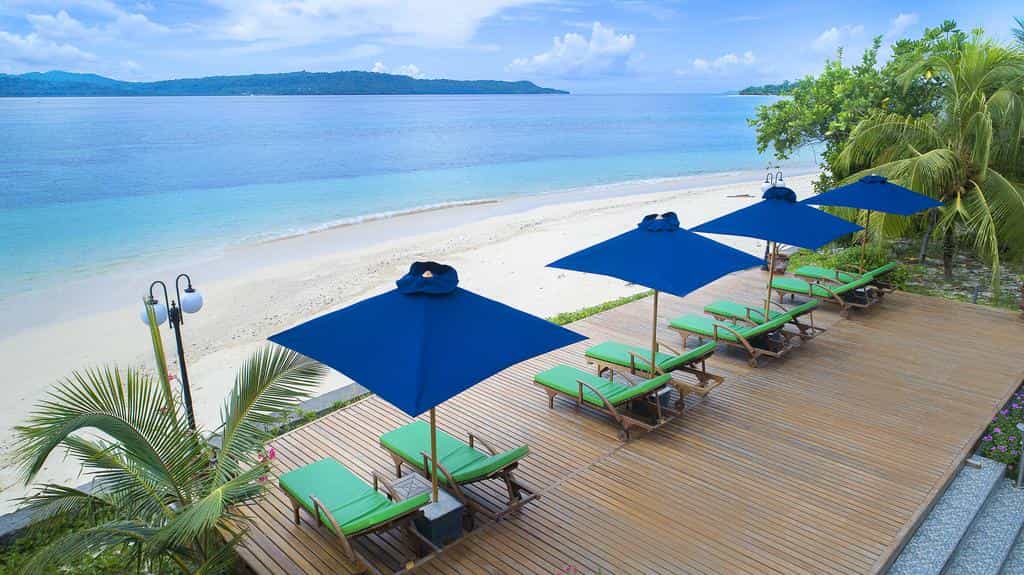
- The Rise of the Digital Age (2000–2010): The advent of the internet and early social media platforms began to democratize travel information. Online booking engines and travel forums allowed individuals to plan trips without relying on traditional travel agents, making global exploration more accessible.
- The Instagram Effect (2010–2019): The explosion of visual-centric social media platforms transformed travel into a form of social currency. High-definition imagery of hidden natural wonders and exotic locales created a "fear of missing out" (FOMO), encouraging younger generations to seek out unique "Instagrammable" spots.
- The Pandemic Pause and "Revenge Travel" (2020–2022): The global lockdowns imposed by the COVID-19 pandemic temporarily halted movement but intensified the psychological desire for exploration. As borders reopened, the phenomenon of "revenge travel" emerged, where individuals prioritized travel spending to make up for lost time.
- The Integration of Remote Work (2023–Present): The normalization of remote work and the "digital nomad" lifestyle have blurred the lines between professional life and travel. For many, travel is no longer a break from work but the environment in which work happens.
Strategic Implementation: Tips for Adopting a Travel-Centric Lifestyle
Adopting travel as a consistent lifestyle requires more than just a desire to see the world; it requires a psychological and logistical shift. Industry experts and seasoned travelers suggest several core pillars for those looking to integrate travel into their permanent lifestyle.
Cultivating Resolve and Courage
The transition into a travel-heavy lifestyle often requires a departure from one’s comfort zone. Unlike the structured vacations of the past, lifestyle traveling involves a degree of uncertainty. The primary hurdle for many is the financial misconception that one must possess a vast fortune before embarking on a journey. Professional travelers argue that the key is "survival courage"—the ability to start with what one has and adapt along the way. This involves prioritizing travel in the monthly budget and often making sacrifices in other areas of discretionary spending, such as dining out or purchasing the latest electronics.
Embracing Fluidity and the "Slow Travel" Movement
A common mistake among novice travelers is the attempt to over-schedule every minute of a journey. To make travel a sustainable lifestyle, one must learn to follow the natural flow of the environment. This aligns with the "Slow Travel" movement, which emphasizes connection to local people, cultures, food, and music, rather than rushing through a checklist of tourist attractions. By allowing for flexibility in itineraries, travelers remain open to unexpected opportunities and local insights that a rigid schedule would otherwise preclude. This adaptability is essential for managing the inevitable logistical challenges that arise during international transit.
Developing Cultural Competency and Adaptability
The ability to adapt to diverse social structures, languages, and cultural norms is the hallmark of a true lifestyle traveler. This goes beyond mere tolerance; it involves active engagement and the ability to function within different societal frameworks. Experts in sociology suggest that this constant state of adaptation enhances "Cultural Intelligence" (CQ), a trait highly valued in the modern globalized workforce. By immersing themselves in different cultures, travelers gain a deeper understanding of global issues and develop a more nuanced sense of self.
Supporting Data: The Economic Impact of Millennial Travel
The shift toward travel as a lifestyle is backed by significant economic data. A study by Expedia found that 74% of millennials prioritize experiences over products. Furthermore, Deloitte’s 2023 Gen Z and Millennial Survey highlighted that while financial concerns remain high, travel remains a top priority for discretionary spending, even in the face of inflation.
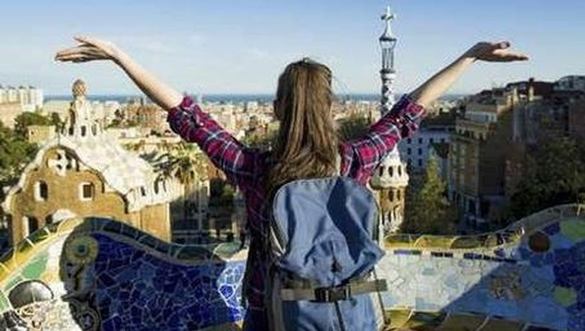
In the Indonesian context, the Ministry of Tourism and Creative Economy has noted a significant uptick in domestic travel driven by younger demographics. The rise of "hidden gem" destinations—spots previously overlooked by mainstream tourism—is largely attributed to millennial explorers who use technology to discover and promote off-the-beaten-path locations. This has led to a decentralized tourism economy, bringing revenue to rural areas that were once outside the traditional tourism circuit.
Expert Perspectives and Industry Reactions
Travel industry stakeholders have had to pivot their business models to cater to this lifestyle shift. "We are seeing a move away from ‘all-inclusive’ packages toward ‘curated experiences,’" says a representative from a leading global travel agency. "The modern traveler doesn’t want to be a spectator; they want to be a participant. They want to learn how to cook local dishes, engage in conservation efforts, and understand the history of the places they visit."
Psychologists also point to the mental health benefits of this lifestyle. The "vacation effect"—the temporary boost in well-being during a trip—is being replaced by the "traveler’s mindset," which encourages curiosity, resilience, and mindfulness in daily life. By viewing the world through the lens of a traveler, individuals often report lower levels of burnout and a higher sense of life satisfaction.
Broader Implications and Analysis
The rise of the travel lifestyle has broader implications for the global economy and society. On one hand, it fosters global understanding and can drive economic development in emerging markets. On the other hand, it raises questions about sustainability and the environmental impact of increased air travel.
The "over-tourism" seen in cities like Venice or Bali is a direct result of the surge in lifestyle traveling. Consequently, there is a growing movement within the millennial community toward "Sustainable Travel" and "Regenerative Tourism." This involves choosing eco-friendly accommodations, supporting local businesses, and being mindful of one’s carbon footprint. The future of the travel lifestyle will likely be defined by how well this generation can balance their thirst for experience with the need to preserve the destinations they cherish.
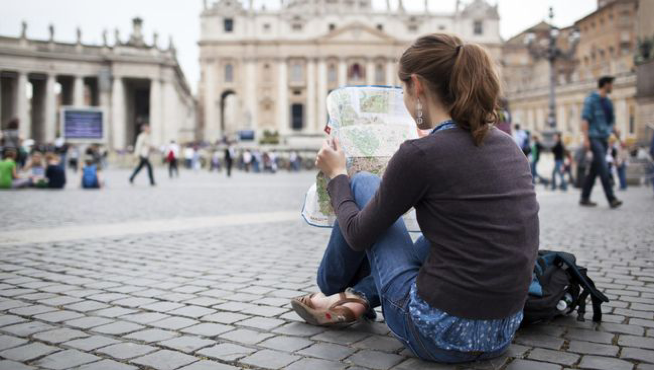
Furthermore, the impact on the housing market cannot be ignored. As more young people choose to spend their "down payments" on world tours, the age of first-time homebuyers continues to rise in many developed nations. This represents a fundamental change in the "social contract," where the security of property ownership is being traded for the wealth of global perspective.
Conclusion
Traveling as a lifestyle is more than a trend; it is a response to the complexities of the modern world. For the millennial generation, it serves as a tool for identity formation and a means of navigating an increasingly interconnected globe. By prioritizing experiences over material possessions, this demographic is redefining what it means to live a rich and fulfilling life.
As tips for lifestyle travel suggest, the journey requires courage, flexibility, and a high degree of adaptability. While the challenges of budgeting and logistics remain, the rewards—a deeper understanding of the world and oneself—are viewed as an investment that pays dividends for a lifetime. In an era where the future is often uncertain, the millennial generation has decided that the best place to put their money is into the memories they create and the horizons they expand. The world, once a series of distant points on a map, has become the ultimate classroom and home for a generation that values the journey just as much as, if not more than, the destination.
