The administration of President Prabowo Subianto has set in motion an ambitious national energy strategy centered on the rapid integration of E50 bioethanol—a fuel blend consisting of 50% ethanol and 50% gasoline. While the directive is framed as a pivotal step toward achieving national energy independence and reducing the country’s ballooning expenditure on imported fossil fuels, it has ignited a fierce debate regarding the sustainability of such a transition. Environmental advocates, led by organizations such as Transisi Bersih, are warning that the scale of land conversion required to meet these targets could precipitate an ecological crisis, threatening Indonesia’s remaining forest cover and domestic food sovereignty.
The Strategic Imperative: Reducing Import Dependency
Indonesia’s energy landscape is currently defined by a high dependence on imported fuel, which places significant pressure on the state budget and national foreign exchange reserves. According to Ministry of Energy and Mineral Resources (ESDM) data, national diesel consumption hovers around 39 million kiloliters per year, while gasoline consumption reaches approximately 40 million kiloliters annually.
The government’s push for E50 is part of a broader "Energy Sovereignty" agenda aimed at insulating the Indonesian economy from global oil price volatility. By shifting toward domestically produced biofuels, the administration intends to revitalize the agricultural sector and stimulate rural economies. However, the sheer volume of feedstock required to sustain a nationwide E50 rollout presents a logistical and environmental challenge that experts argue has not been fully reconciled with the country’s climate commitments.
Chronology of the Biofuel Mandate
The discourse surrounding E50 did not emerge in a vacuum. It follows a decade-long trajectory of biofuels policy in Indonesia:
- 2015-2018: The government successfully initiated the B20 (20% biodiesel) mandate, later escalating to B30 and currently B35, primarily focused on palm oil-based biodiesel.
- 2023: The government began pilot testing E5 (5% ethanol blend) in several major cities, primarily using sugarcane-based ethanol, as a precursor to broader implementation.
- Late 2024: President Prabowo Subianto signaled a shift in strategy, calling for an accelerated transition to higher blend percentages, culminating in the E50 directive.
- November 2026: Transisi Bersih, in a formal policy assessment, challenged the technical feasibility and ecological impact of the E50 target, marking the start of a public policy standoff between environmentalists and energy planners.
The Land-Use Paradox: A Quantitative Analysis
The core of the criticism from Transisi Bersih lies in the arithmetic of feedstock production. To replace the entirety of Indonesia’s gasoline demand with an E50 blend, the nation would require approximately 24 million kiloliters of ethanol annually.
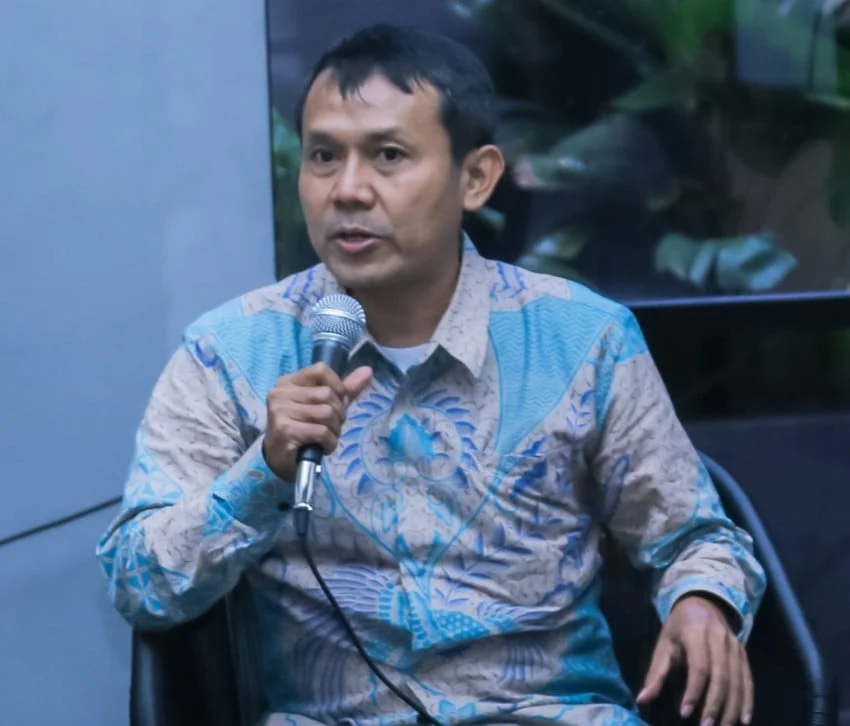
"Reducing reliance on imported fuel is a strategic imperative," stated Abdurrahman Arum, Executive Director of Transisi Bersih. "However, the massive, rushed scale of feedstock production carries significant risks of environmental degradation, the encroachment on protected forest areas, and the potential for a massive deficit in staple food supplies."
Based on productivity data from 2020–2025 and conversion standards established by the FAO, the land requirements are staggering. To produce 24 million kiloliters of ethanol, Indonesia would need:
- Sugarcane: Approximately 4.4 million hectares.
- Cassava: Approximately 5.1 million hectares.
- Corn: Approximately 3.3 million hectares.
These figures represent independent scenarios rather than cumulative ones, yet even in the most efficient case, the land requirement is vast. Furthermore, these estimates exclude the auxiliary infrastructure—processing plants, logistics networks, and support zones—that would inevitably increase the total land footprint. In a country where land is already subject to competing interests between palm oil expansion, infrastructure projects, and food production, finding several million hectares for energy crops without triggering deforestation is a significant policy hurdle.
Ecological and Food Security Implications
The tension between "fuel vs. food" is a recurring theme in global biofuel policy. Critics argue that diverting millions of hectares of arable land to energy crops will inevitably squeeze the production of staple commodities like rice and corn. If farmers prioritize biofuel feedstock due to higher state-subsidized prices, domestic food supply could drop, leading to inflationary pressure on basic food items.
From an ecological perspective, the risk of "indirect land-use change" is significant. If existing agricultural land is converted to sugar or cassava for fuel, there is a risk that food farming will be pushed into frontier regions, leading to the clearing of primary forests and peatlands. This would negate the carbon-reduction benefits that the bioethanol program is intended to provide, potentially leaving the country with a net-positive carbon footprint due to deforestation.
Official Responses and Industry Outlook
While the Ministry of Energy and Mineral Resources has yet to issue a formal rebuttal to the specific calculations provided by Transisi Bersih, industry stakeholders within the sugar and agriculture sectors have expressed cautious optimism. Representatives from the Indonesian Sugar Producers Association have suggested that the implementation of E50 could be phased in over a longer period, utilizing idle or marginal lands rather than high-value agricultural zones.
"The key is in the methodology," noted an energy analyst who requested anonymity. "If the government focuses on increasing yield per hectare through technology rather than horizontal expansion, the land requirement could be halved. However, that requires massive investment in agricultural R&D, which currently lags behind the pace of the government’s energy mandates."
Broader Economic Impacts
The shift to E50 also carries implications for the automotive industry. Existing internal combustion engines (ICE) in Indonesia are largely designed for gasoline or low-percentage ethanol blends. A jump to E50 would require substantial modifications to fuel systems, gaskets, and engine management software across the national fleet. The cost of these modifications—to be borne either by the manufacturers or the consumers—remains a major economic variable that has not been addressed in the current directive.
Furthermore, the price parity of E50 with traditional gasoline remains a challenge. Currently, bioethanol production costs in Indonesia are higher than international gasoline market rates, necessitating government subsidies. As the blend percentage increases, the fiscal burden of these subsidies could grow, offsetting the budgetary gains made by reducing oil imports.
Conclusion: A Need for Sustainable Planning
The move toward E50 represents a bold attempt by the Prabowo administration to secure Indonesia’s energy future. However, as Transisi Bersih’s analysis highlights, the technical and environmental complexities cannot be ignored. The potential for irreversible damage to Indonesia’s biodiversity and the risk to national food security require a more nuanced, evidence-based approach.
As the government moves forward with the implementation phase, the policy will likely require a multi-stakeholder framework that prioritizes:
- Sustainable Sourcing: Implementing strict certification standards to ensure feedstock is grown on non-forested, degraded land.
- Technological Innovation: Investing in high-yield crop varieties and advanced conversion technologies to minimize the land footprint.
- Phased Implementation: Adopting a gradual increase in ethanol blending to allow for fleet adaptation and supply chain maturation.
The path to energy sovereignty is essential for Indonesia, but the transition must be managed with a comprehensive view of the landscape—one that balances the necessity of fuel with the non-negotiable need for environmental preservation and food security. The coming months will be critical as the administration reconciles these competing interests, potentially adjusting the E50 timeline to align with more sustainable, long-term development goals. As the debate continues, the scientific community and civil society will remain vigilant, ensuring that the quest for energy security does not come at the cost of the nation’s ecological future.