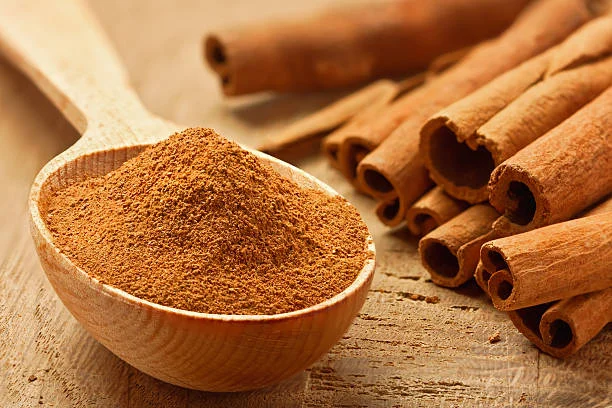
The surging popularity of traditional herbal medicine in Indonesia has brought with it a significant public health challenge: the lack of standardized dosage guidelines for widely consumed culinary and medicinal spices. While cinnamon is celebrated globally for its antioxidant properties and blood-sugar-regulating potential, health experts are increasingly raising concerns regarding the toxicity of specific varieties, particularly the cassia cinnamon common in the Indonesian market. Containing high levels of a compound known as coumarin, this spice can inflict severe damage on the liver if ingested in quantities that exceed daily safety thresholds.
The Pharmacological Reality of Coumarin Toxicity
The core of the issue lies in the chemical composition of the cinnamon species being consumed. In the professional medical community, a distinction is drawn between Cinnamomum verum (Ceylon cinnamon) and Cinnamomum cassia (Cassia cinnamon). While both are sold as cinnamon, their coumarin profiles are vastly different.
Coumarin is a naturally occurring plant chemical that, in high doses, acts as a hepatotoxin. According to toxicological assessments conducted by international food safety authorities, including the German Federal Institute for Risk Assessment (BfR), the tolerable daily intake (TDI) of coumarin is set at 0.1 milligrams per kilogram of body weight. For an average adult weighing 60 kilograms, this equates to a maximum threshold of 6 milligrams of coumarin per day.
Pharmacist and pharmacologist Julian Afferino Taruna Vijaya emphasizes that for the typical consumer, the mathematics of safety are often ignored. "Cinnamon that contains coumarin can damage the liver if consumed excessively," Julian stated during a recent health forum in Jakarta. He points out that Cassia cinnamon, which is the most widely available and affordable variety in Southeast Asia, contains significantly higher concentrations of coumarin compared to its Ceylon counterpart. Consequently, for a 60-kilogram adult, the safety limit for Cassia cinnamon is capped at roughly two grams—an amount that is less than a single level teaspoon.
Chronology and the Growth of the Herbal Market
The escalation of this concern correlates with the rapid expansion of the Indonesian herbal market. Over the past decade, the "back to nature" movement has seen a massive increase in the production of traditional jamu (herbal medicine) and functional beverages.
- 2015-2018: The government began incentivizing the integration of herbal medicine into the national healthcare system, aiming to harmonize traditional practices with modern clinical medicine.
- 2019-2021: During the global pandemic, the demand for immunity-boosting spices—specifically ginger, turmeric, and cinnamon—spiked dramatically. This led to a surge in small-scale manufacturing where standardized dosing protocols were often absent.
- 2022-2023: Regulatory bodies and professional health associations began observing an uptick in cases involving herbal-induced liver injury (HILI). Medical journals started documenting patients who presented with elevated liver enzymes following the long-term, high-dose consumption of "natural" tonics.
- 2024: Professional organizations, including the Indonesian Forum for Herbal Medicine (Formas), began actively coordinating with the Ministry of Defense and health authorities to standardize the safety profiles of traditional herbal products, marking a shift toward institutional oversight.
The Risks of Self-Medication and Inter-Drug Interaction
The danger of herbal consumption is not limited to toxicity alone; it extends to the dangerous synergy between natural products and prescription medications. Cinnamon, particularly when consumed in concentrated extract form, possesses potent physiological effects. It can alter the metabolism of medications, particularly those prescribed for diabetes and cardiovascular conditions.
Patients who are already on blood-thinning medication (anticoagulants) or insulin therapies face the highest risk. Cinnamon can lower blood glucose levels to an extent that, when combined with prescribed diabetes medication, causes dangerous hypoglycemia. Similarly, its interaction with anticoagulants can complicate blood clotting processes, potentially leading to internal bleeding.
Dr. Andi Khomeini Takdir Haruni, a specialist in internal medicine, warns that while natural ingredients like cinnamon, clove oil, ginger, and mint provide immediate, soothing relief for minor symptoms, they are not a substitute for clinical diagnostics. "The temporary comfort provided by the warmth of these herbal concoctions should never be used as a justification to delay professional medical examination," Dr. Andi noted. He suggests that the cultural tendency to view "herbal" as synonymous with "harmless" is a major barrier to effective public health management.
Regulatory and Economic Implications
The economic impact of this issue is significant, as Indonesia remains one of the world’s largest producers and exporters of cinnamon. A shift in global or domestic demand due to health warnings could disrupt the livelihoods of smallholder farmers. However, public health experts argue that the solution is not the abandonment of the spice, but the implementation of clear, consumer-facing information regarding dosages.
Currently, the Indonesian food and drug regulatory environment faces the task of balancing the preservation of cultural heritage with modern safety standards. Many traditional products currently lack nutritional labeling that explicitly states the coumarin content or warns against excessive daily consumption.
Industry analysts suggest that the future of the Indonesian herbal industry relies on:
- Mandatory Labeling: Introducing standardized warnings on packaging for products containing Cinnamomum cassia.
- Public Education Campaigns: Shifting the narrative from "herbal is always good" to "herbal requires informed consumption."
- Clinical Integration: Encouraging herbal manufacturers to undergo laboratory testing to ensure their products fall within the BfR-established safety thresholds.
Fact-Based Analysis of Public Health Impact
The rise in liver-related issues linked to herbal consumption is a global phenomenon, not one restricted to Indonesia. In the United States and Europe, liver toxicity reports often implicate high-dose supplements derived from common kitchen spices. The mechanism is a direct chemical assault on hepatocytes (liver cells) when the liver’s detoxification pathways are overwhelmed by concentrated coumarin.
The implications for public health are twofold. First, the healthcare system may face a higher burden of preventable liver disease, which is costly to treat and can lead to chronic conditions. Second, the erosion of trust in herbal medicine, should more scandals emerge, could harm legitimate industries that provide genuine health benefits.
To mitigate these risks, health authorities recommend that consumers treat herbal remedies with the same rigor as pharmaceutical drugs. This includes maintaining a log of daily consumption, especially for individuals with pre-existing liver or kidney conditions, and ensuring that any herbal intake is reported to primary care physicians.
The Path Forward: Education Over Prohibition
As Indonesia continues to strengthen its herbal medicine programs, the focus must shift toward creating a culture of scientific literacy. The partnership between the Ministry of Defense and professional herbal organizations like Formas is a positive step toward institutionalizing safety. By integrating herbal medicine into the formal healthcare framework, the government can ensure that traditional knowledge is filtered through the lens of modern toxicology.
Consumers are advised to seek out products that specify the variety of cinnamon used and to exercise extreme caution with concentrated cinnamon oils or powders that exceed culinary quantities. The objective is not to discourage the use of traditional spices, which remain a cornerstone of Indonesian culinary identity, but to ensure that they are enjoyed in a manner that preserves, rather than compromises, human health.
In conclusion, the warning regarding cinnamon and coumarin toxicity serves as a critical reminder that "natural" does not equate to "unlimited." As modern science continues to uncover the complexities of plant chemistry, the dialogue between traditional herbalists and medical professionals must remain open, evidence-based, and focused on the safety of the end-user. Through standardized regulation, clear communication of dosage limits, and the prioritization of professional medical consultation, the risks associated with excessive cinnamon intake can be effectively managed, allowing for the safe continued use of this historic spice.