JAKARTA – Indonesia is strategically positioning itself at the forefront of the global artificial intelligence (AI) landscape, anticipating a monumental contribution of US$366 billion to its economy by 2030. This ambitious projection is underpinned by the nation’s proactive engagement in shaping international AI governance, notably through its status as a founding member of the World Artificial Intelligence Cooperation Organization (WAICO). The move underscores Indonesia’s commitment to fostering an AI ecosystem that is not only economically robust but also inclusive, safe, and ethically sound.
Indonesia’s Strategic Dive into Global AI Governance
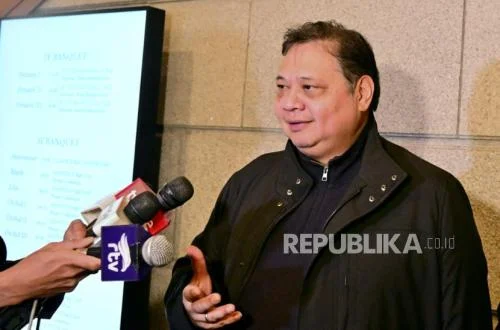
The decision for Indonesia to join WAICO as a founding nation stems directly from a directive by President Prabowo Subianto, emphasizing the nation’s imperative to play a pivotal role in the formulation of global AI governance frameworks. This strategic membership grants Indonesia early and privileged access to international discussions and developments concerning AI, ensuring its voice is heard as the world grapples with the transformative power of this technology. Coordinating Minister for Economic Affairs, Airlangga Hartarto, highlighted this advantage during a virtual press conference from Shanghai, China, on Friday, July 17, 2026, stating, "By becoming a founder, we naturally have first access to all discussions regarding the development of AI itself." This proactive stance reflects Indonesia’s recognition that global cooperation is essential to harness AI’s benefits while mitigating its risks.
WAICO itself is established under the auspices of the United Nations, signaling a multilateral approach to AI governance that prioritizes human-centered development. This framework aligns perfectly with Indonesia’s vision, as articulated by Minister Airlangga, to ensure AI serves as a "bridge for togetherness," rather than creating a "digital divide." The organization’s mandate is to foster international collaboration, promoting the development and deployment of AI in a manner that is inclusive, secure, trustworthy, and ethical. Indonesia’s active participation is seen as a crucial step in preventing the monopolization of AI development and its benefits by any single nation or dominant power, advocating instead for a more equitable global distribution of technological advancement and regulatory influence.
The Trillion-Dollar AI Economy: Indonesia’s Ambitious Projections
The projected US$366 billion contribution from AI to Indonesia’s economy by 2030 is a testament to the government’s high expectations for this transformative technology. This figure represents a significant portion of the nation’s broader digital economy, which is independently forecast to reach between US$210 billion and US$360 billion by the same year. These projections place Indonesia firmly among the leading digital economies in Southeast Asia, with AI expected to be a primary catalyst for growth across various sectors.
Analysts suggest that AI’s impact will be pervasive, driving efficiency and innovation in areas such as manufacturing, healthcare, finance, agriculture, and public services. For instance, AI-powered analytics can optimize supply chains, predictive maintenance can reduce industrial downtime, and personalized medicine can improve healthcare outcomes. In the financial sector, AI can enhance fraud detection and customer service, while in agriculture, it can optimize crop yields through data-driven insights. The scale of the projected economic impact underscores the government’s belief that AI is not merely an incremental improvement but a fundamental shift that will redefine productivity and competitiveness. Achieving this target will require substantial investment in infrastructure, research and development, and, critically, human capital.
Fostering an Inclusive and Ethical AI Ecosystem
A core tenet of Indonesia’s AI strategy, as championed by Minister Airlangga, is the development of an AI ecosystem that is "inclusive, safe, trustworthy, ethical, and not monopolized by a particular country or power." This vision goes beyond mere economic gains, touching upon the fundamental principles of fairness, accessibility, and human rights in the digital age. The emphasis on inclusivity aims to ensure that the benefits of AI are widely distributed, reaching even remote areas and underserved communities, thereby preventing a deepening of existing societal inequalities.
The call for "safe and trustworthy" AI reflects a global concern over issues such as data privacy, algorithmic bias, and the potential for misuse of AI technologies. By actively participating in WAICO, Indonesia seeks to help establish international norms and standards that address these concerns, promoting responsible AI development. The ethical dimension is particularly critical in a diverse nation like Indonesia, where cultural nuances and societal values must be considered in the deployment of AI. This approach ensures that AI systems are designed and implemented in a manner that respects human dignity and aligns with societal values, avoiding unintended negative consequences.
Beyond Governance: Economic and Technological Opportunities
Indonesia’s membership in WAICO extends far beyond the realm of policy and governance; it is also seen as a powerful catalyst for tangible economic and technological advancement. This includes expanding opportunities for technology transfer, attracting foreign direct investment (FDI) into the AI sector, establishing advanced AI research centers, and significantly strengthening the national digital talent pool.
The ability to access cutting-edge AI technologies and expertise from leading global innovators will be crucial for Indonesia to accelerate its own technological development. Through WAICO, Indonesia can facilitate partnerships with international research institutions and tech companies, fostering a vibrant ecosystem for innovation. Attracting investment is also a key objective, as capital is essential to build the necessary infrastructure, develop new AI applications, and scale up promising startups. The government is particularly keen on leveraging AI to empower its vast network of Micro, Small, and Medium Enterprises (MSMEs) and startups, enabling them to enhance productivity, improve efficiency, and expand their market reach, thereby boosting national competitiveness. This focus on local enterprises is vital for broad-based economic growth and job creation.
Furthermore, strengthening the national digital talent pool is a critical long-term investment. The demand for skilled AI professionals—data scientists, machine learning engineers, AI researchers, and ethicists—is rapidly growing globally. Indonesia aims to cultivate this talent through educational programs, vocational training, and collaborations with universities and industry. This will not only support the domestic AI industry but also position Indonesia as a regional hub for AI talent.
Global Context: The Race for AI Leadership and Governance
Indonesia’s move comes at a time when the global landscape of AI development and governance is rapidly evolving. Major powers like the United States, China, and the European Union are all vying for leadership in AI innovation and simultaneously working to establish regulatory frameworks that reflect their values and strategic interests. The EU, for instance, has introduced the comprehensive AI Act, aiming to set global standards for ethical and safe AI. The US has issued executive orders pushing for responsible AI innovation, while China has implemented strict regulations on algorithmic recommendations and deepfakes.
In this complex geopolitical environment, WAICO, as a UN-backed initiative, represents an effort to build a more collaborative and consensus-driven approach to AI governance. Indonesia’s founding membership positions it as a significant voice from the Global South, ensuring that the perspectives and needs of developing nations are adequately represented in these crucial discussions. This move also reflects Indonesia’s broader foreign policy goal of active participation in multilateral institutions to promote a just and equitable world order. By engaging proactively, Indonesia aims to prevent a fragmented or polarized global AI regulatory environment, advocating instead for a harmonized approach that benefits all nations.
Diplomatic Engagements and Future Collaborations
Minister Airlangga Hartarto’s visit to Shanghai, concurrent with the announcement, underscores the diplomatic efforts supporting Indonesia’s AI ambitions. During his visit, Minister Airlangga held discussions with China’s Minister of Commerce, Wang Wentao, focusing on strengthening industrial cooperation, trade, and the digital economy. These bilateral engagements are crucial for fostering partnerships that can accelerate Indonesia’s AI development.
The visit also included tours to several leading Chinese technology companies, such as ByteDance (parent company of TikTok), Huawei, Deep Robotics, Unitree, and FiberHome. These visits are not merely observational; they are opportunities to explore potential collaborations, understand cutting-edge AI applications, and attract investment and technological expertise. Companies like Huawei are global leaders in AI infrastructure and telecommunications, while firms like Deep Robotics and Unitree are at the forefront of advanced robotics, an area with significant AI integration. Such interactions are vital for identifying technologies that can be adapted to Indonesia’s specific needs and for building relationships that could lead to joint ventures, knowledge transfer, and talent development programs. The engagement with China, a global leader in AI development, signals Indonesia’s pragmatic approach to seeking partners and expertise from various sources to achieve its national AI goals.
Challenges and the Path Forward
While the prospects are bright, Indonesia faces several challenges in realizing its ambitious AI goals. These include the need for robust digital infrastructure across the archipelago, a significant investment in education and training to bridge the digital talent gap, and the development of a comprehensive national AI strategy that translates global governance principles into actionable domestic policies. Ethical implementation also requires ongoing vigilance to ensure that AI systems are deployed responsibly and do not exacerbate social inequalities or undermine privacy.
To overcome these hurdles, Indonesia will need to continue fostering public-private partnerships, investing heavily in digital literacy and skills development from an early age, and creating a regulatory sandbox environment that encourages AI innovation while ensuring responsible development. The government’s commitment to inclusive, safe, and ethical AI, coupled with its proactive engagement in global forums like WAICO, lays a strong foundation for Indonesia to not only achieve its US$366 billion economic projection but also emerge as a responsible and influential player in the global AI landscape. The journey ahead demands sustained effort, strategic foresight, and unwavering commitment to harnessing AI for the benefit of all Indonesians.