JAKARTA – PT Pertamina Patra Niaga Regional Sumbagut has significantly reinforced its operational capabilities at key fuel terminals across Aceh, aiming to accelerate the normalization of fuel distribution and uphold the steadfast reliability of energy supply for the region’s populace. This strategic enhancement focuses on the optimization of operations at the Integrated Terminal (IT) Lhokseumawe and the Fuel Terminal (FT) Krueng Raya, two pivotal hubs in Aceh’s energy infrastructure. The initiative comes at a critical juncture, with regional economic activities experiencing a resurgence and the perennial demand for energy requiring heightened logistical agility.
The Strategic Importance of Aceh’s Energy Hubs
Aceh, situated at the northwestern tip of Sumatra, holds immense strategic importance not only for its rich natural resources but also as a crucial gateway for maritime trade and inter-island connectivity. The region’s economy is diverse, encompassing agriculture, fisheries, trade, and emerging industrial sectors, all of which are heavily reliant on a stable and accessible supply of fuel. IT Lhokseumawe, located in North Aceh, serves as a major distribution point for the northern and central parts of the province, while FT Krueng Raya, near Banda Aceh, plays a critical role in supplying the capital city and its surrounding western and southern areas. Any disruption or inefficiency in the operations of these terminals can have cascading effects, impacting daily life, commercial activities, and even public services across the province.
The decision to intensify operations is a proactive measure to preempt potential supply chain bottlenecks, particularly in anticipation of periods of heightened demand, such as major holidays, agricultural harvesting seasons, or infrastructure development projects. Historically, remote and geographically challenging areas within Aceh have sometimes faced logistical hurdles in receiving timely fuel supplies. Pertamina’s current efforts aim to mitigate these historical challenges, ensuring equitable access to energy regardless of location. The stability of fuel supply is not merely a convenience; it underpins the very fabric of the regional economy, facilitating the movement of goods, enabling agricultural production, and supporting the livelihoods of countless individuals.
Unpacking the Operational Enhancements
The core of Pertamina’s enhanced strategy involves a multi-pronged approach to optimize logistics and distribution channels. Fahrougi Andriani Sumampouw, Area Manager Communication, Relations & CSR Pertamina Patra Niaga Regional Sumbagut, underscored the significance of these terminals. "We are continuously optimizing terminal operations as the backbone of fuel distribution in Aceh. Various acceleration measures are being implemented to make the distribution process more effective, ensuring that the community’s energy needs are well met and that distribution conditions on the ground continue to show improvement," Sumampouw stated in a press release dated Sunday, July 19, 2026. This statement highlights Pertamina’s commitment to both efficiency and responsiveness in meeting Aceh’s energy demands.
A key pillar of these enhancements is the significant extension of operational hours. Both Integrated Terminal Lhokseumawe and Fuel Terminal Krueng Raya have seen their operational schedules expanded from an average of eight hours per day to a robust 14 hours daily. This includes the crucial addition of service on Sundays, a day often associated with reduced logistical activity. By nearly doubling the operational window, Pertamina aims to process and dispatch a substantially higher volume of fuel, thereby reducing turnaround times for tanker trucks and increasing the overall throughput of the terminals. This extended schedule directly addresses the need for faster response to demand fluctuations and allows for more frequent deliveries.
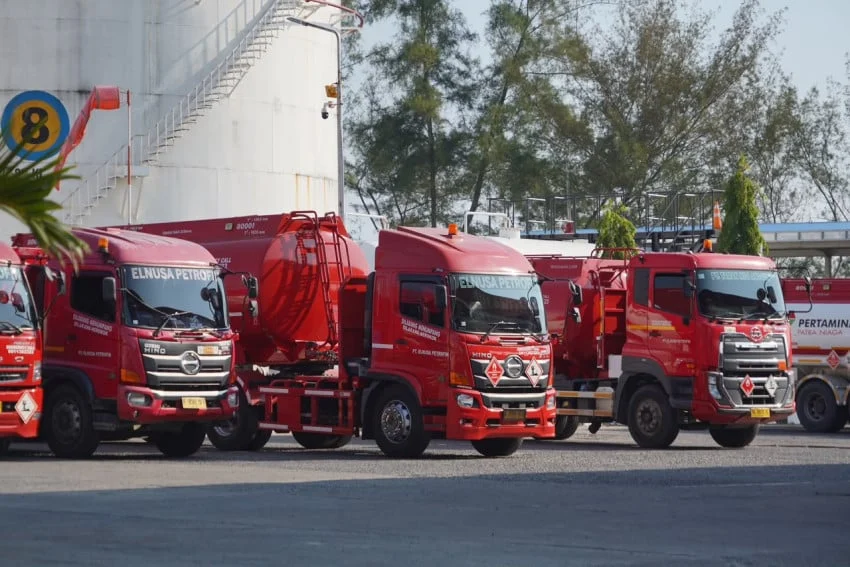
Complementing the extended hours, Pertamina has also drastically increased the frequency of tanker truck dispatches. The company reports an increase of approximately 65% in the deployment of its tanker fleet. This substantial boost in transportation capacity is designed to accelerate the movement of fuel from the terminals to various Public Fuel Stations (SPBU) and other distribution agencies across Aceh. A higher frequency of deliveries means that SPBUs can be restocked more quickly, minimizing instances of fuel shortages and ensuring that consumers have consistent access to petroleum products. This logistical intensification is crucial for reaching remote areas that might otherwise experience longer waiting periods for fuel deliveries.
Furthermore, Pertamina has implemented strategic adjustments to its distribution patterns. This involves a dynamic reassessment of supply routes and allocation strategies to ensure that fuel reaches areas with critical needs more rapidly. A notable change, effective since July 12, 2026, involves the Integrated Terminal Lhokseumawe commencing the supply of fuel to the Langsa and East Aceh regions. Previously, these areas might have been served by other terminals or faced longer supply lines. With an average daily volume of 48,000 liters now being dispatched from Lhokseumawe to these specific regions, Pertamina is optimizing geographical proximity and logistical efficiency. This localized supply strategy not only reduces transportation time and costs but also enhances the responsiveness of the supply chain to local demand spikes.
A Coordinated Response: Timeline and Metrics
The intensified efforts in Aceh did not materialize overnight but represent a coordinated response to evolving regional energy demands and logistical considerations. The specific operational adjustments, particularly the re-routing of supplies to Langsa and East Aceh from IT Lhokseumawe, commenced on July 12, 2026. This date marks the beginning of the more aggressive phase of Pertamina’s strategy, indicating a proactive rather than purely reactive stance. The announcement on July 19, 2026, signifies the full implementation and initial success of these measures, with Pertamina confident in the positive trajectory of fuel distribution normalization.
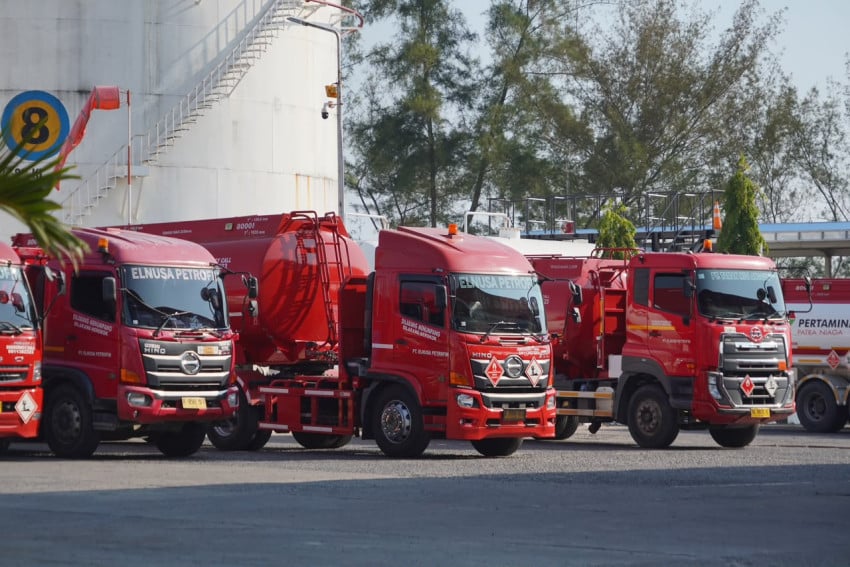
To put these figures into perspective, consider the typical fuel consumption patterns in a province like Aceh. While precise real-time figures fluctuate, an average province in Indonesia might see daily consumption of millions of liters across various fuel types (gasoline, diesel, LPG). A 65% increase in tanker frequency implies a significant logistical overhaul, potentially translating to hundreds of additional trips per week across the province. The 14-hour operational window, essentially a shift-based system, allows for continuous loading and dispatching, crucial for meeting the demands of approximately 350-400 SPBUs and dozens of other authorized distributors scattered throughout Aceh’s 23 regencies and cities. The average volume of 48,000 liters per day for Langsa and East Aceh from a single terminal highlights the substantial impact of targeted distribution adjustments. This volume alone could fuel hundreds of vehicles and support numerous small businesses daily in these specific areas.
Statements from Stakeholders: Acknowledging Progress
Beyond Pertamina’s internal statements, the ongoing efforts are likely to elicit reactions from various stakeholders across Aceh. Local government officials, particularly those responsible for economic development and public services, would undoubtedly welcome these proactive measures. The Governor of Aceh, or representatives from the provincial energy and mineral resources agency, might issue statements commending Pertamina’s commitment to energy security. For instance, an inferred statement could be: "We highly appreciate Pertamina Patra Niaga’s robust steps to strengthen fuel distribution across Aceh. Reliable energy supply is the lifeblood of our economy and essential for the well-being of our citizens. These enhanced operations ensure that our communities, from farmers in Pidie to fishermen in Sabang, have consistent access to the fuel they need to sustain their livelihoods and contribute to regional growth."
Local business associations, such as those representing transportation companies, agricultural cooperatives, and small and medium-sized enterprises (SMEs), would also likely voice their support. For them, predictable fuel availability means reduced operational risks, stable pricing, and the ability to plan their activities without fear of sudden shortages. A representative from the Aceh Chamber of Commerce and Industry might comment: "The recent improvements in fuel distribution are a significant relief for our business community. Timely and consistent fuel supply directly translates to smoother logistics, uninterrupted production, and ultimately, a more stable business environment. This positively impacts our competitiveness and ability to serve our customers." Consumer advocacy groups would also acknowledge the tangible benefits for the general public, alleviating concerns about long queues at SPBUs and potential price gouging during scarcity.
Economic and Social Ripple Effects
The implications of a robust and reliable fuel distribution system in Aceh extend far beyond mere convenience. Economically, it underpins several critical sectors. The agricultural sector, a cornerstone of Aceh’s economy (producing commodities like palm oil, coffee, and rice), relies heavily on diesel for farm machinery and transportation of produce to markets. Uninterrupted fuel supply ensures that planting, harvesting, and distribution cycles proceed without costly delays. Similarly, the thriving fisheries sector along Aceh’s extensive coastline depends on readily available diesel for fishing boats. Any disruption can lead to significant losses for fishermen and impact the supply of seafood to local and national markets.
For the vast network of SMEs, including small shops, food vendors, and service providers, reliable fuel means consistent power for generators (where electricity supply may be intermittent) and accessible transportation for goods and personnel. The tourism sector, which Aceh is actively developing, also benefits immensely, as smooth transportation is crucial for visitors traveling between attractions.
Socially, the impact is equally profound. Daily commuters, public transportation services, and emergency vehicles (ambulances, police, fire services) all require uninterrupted access to fuel. Consistent supply reduces stress on households, prevents price speculation, and ensures that essential services can function effectively. In a region that has faced various challenges, including natural disasters and past conflicts, energy stability contributes significantly to overall social resilience and community well-being. Furthermore, equitable distribution across all regions, including remote villages, fosters a sense of fairness and ensures that no community is left behind in terms of essential resource access.
Challenges and Future Outlook
While the current enhancements mark a significant step forward, maintaining robust fuel distribution in a diverse and geographically challenging province like Aceh presents ongoing challenges. These include navigating complex terrain, adapting to fluctuating weather conditions, managing potential increases in demand from rapid economic growth, and continually guarding against illicit activities such as fuel diversion or hoarding. Pertamina’s commitment to a 24/7 operational vigilance, as highlighted in related efforts in other regions, underscores the continuous nature of this challenge.
Looking ahead, Pertamina’s strategy for Aceh is likely to involve continuous monitoring, data-driven optimization, and potential future investments in infrastructure. This could include exploring renewable energy sources for terminal operations, upgrading storage capacities, or even introducing new distribution technologies to further enhance efficiency and environmental sustainability. The company’s role as a state-owned enterprise mandates it to not only operate commercially but also to fulfill a crucial public service mandate of ensuring national energy security. This means a long-term commitment to infrastructure development, technological innovation, and community engagement to adapt to Aceh’s evolving energy landscape. The ongoing efforts in Aceh serve as a microcosm of Pertamina’s broader national strategy to strengthen Indonesia’s energy resilience, ensuring that every corner of the archipelago has dependable access to the fuel it needs to thrive.