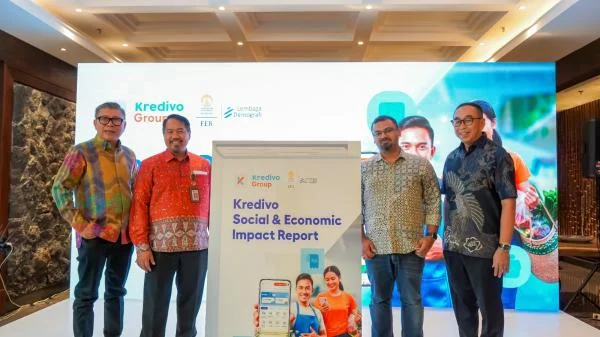
The expanding landscape of financial technology and digital credit in Indonesia has reached a significant milestone, with new economic assessments highlighting its substantial footprint on the broader national economy. PT Kredivo Finance Indonesia (Kredivo), a prominent player in the country’s fintech sector, is projected to contribute up to IDR 33 trillion to Indonesia’s Gross Domestic Product (GDP) through its technology-based financing services. This finding comes from a comprehensive study conducted by the Demographic Institute of the Faculty of Economics and Business at the University of Indonesia (LD FEB UI), which underscores the transformative power of digital lending in stimulating various commercial sectors and empowering micro-enterprises across diverse regions of the archipelago.
The research indicates that the digital credit expansion orchestrated by platforms like Kredivo has successfully mobilized economic activity by a factor of 10 since 2019. By bridging the financing gap for consumers and small business owners, digital financial services have effectively served as a catalyst for economic resilience, particularly during periods of macroeconomic transition and shifting consumer behaviors.
Macroeconomic Impact and the Multiplier Effect
According to the LD FEB UI study, the circulation of digital credit does more than merely provide short-term purchasing power for everyday consumers. It creates a robust multiplier effect that ripples across multiple tiers of the Indonesian economy. The Input-Output economic model utilized in the research reveals that every rupiah channeled into productive and consumption-based digital credit generates extensive secondary economic activity, benefiting suppliers, distributors, logistics providers, and local retailers.
The retail trade sector has emerged as the primary beneficiary of this financial influx. As digital credit lowers the barrier to entry for acquiring goods, retail turnover has experienced sustained growth. Beyond retail, the study identifies the automotive sector, real estate services, and the electronic and telecommunication goods industries as major recipients of the transaction volume generated by digital financing platforms.
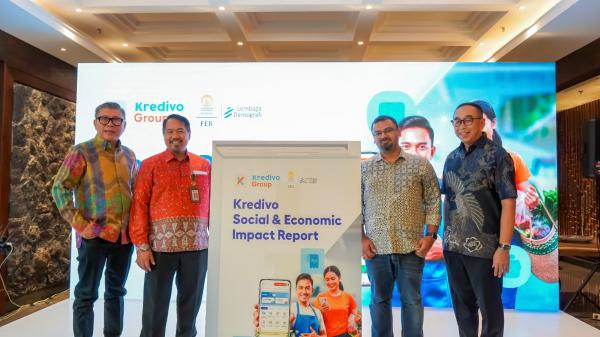
Paksi Walandouw, Deputy Head of Research and Training at LD FEB UI, elaborated on these findings during the official launch of the research report held at Menara Astra in Jakarta. "Based on the Input-Output economic model, the contribution of Kredivo’s credit distribution to the GDP is projected to reach IDR 33 trillion, representing a tenfold increase since 2019. The sectors most heavily stimulated are retail trade, followed by automotive, real estate services, and electronic and telecommunication goods," Walandouw stated.
The Evolution of Digital Financing in Indonesia
To understand the weight of these projections, it is essential to examine the trajectory of financial technology in Indonesia over the past several years. Following the exponential growth of internet penetration and smartphone adoption, Indonesia witnessed a digital boom in the late 2010s. E-commerce platforms flourished, but a significant portion of the population remained unbanked or underbanked—lacking access to traditional credit cards and formal banking loans.
Fintech companies, particularly those offering "Buy Now, Pay Later" (BNPL) and digital financing solutions, stepped in to fill this void. By leveraging alternative credit scoring models, data analytics, and seamless digital onboarding processes, platforms like Kredivo enabled millions of Indonesians to access credit safely and responsibly. Between 2019 and the present, the regulatory framework overseen by the Financial Services Authority (Otoritas Jasa Keuangan or OJK) has continuously evolved to foster innovation while ensuring robust consumer protection and risk management.
The resilience demonstrated by the digital financing sector during and after the global economic uncertainties solidified its position as a pillar of modern Indonesian commerce. The LD FEB UI report serves as empirical validation of this evolution, shifting the narrative from consumer debt concerns to a broader recognition of fintech as a legitimate macroeconomic driver.
Sectoral Breakdown: Where the Money Flows
The economic impact of digital credit is not uniformly distributed, but rather concentrates in sectors characterized by high consumer demand and complex supply chains. A closer analysis of the sectors highlighted in the LD FEB UI report provides a clearer picture of how digital financing influences daily economic transactions.
Retail Trade and Consumer Goods
As the backbone of the domestic economy, the retail sector thrives on high transaction velocity. Digital financing has empowered consumers to manage their cash flow more flexibly, enabling them to purchase essential household goods, apparel, and lifestyle products without depleting their immediate liquidity. This sustained demand keeps storefronts operational and supply chains moving.

Automotive and Transportation
The acquisition of vehicles and automotive maintenance services traditionally relied on conventional bank leasing or high-barrier financing. The integration of digital credit options has streamlined parts procurement and smaller automotive transactions, facilitating mobility and supporting the automotive aftermarket ecosystem.
Real Estate and Housing Services
While major property purchases typically require long-term mortgages, the real estate sector benefits from secondary and tertiary spending driven by fintech. Expenses related to interior furnishing, home renovations, and property management services increasingly utilize digital payment and financing channels.
Electronics and Telecommunications
In an increasingly digitalized society, access to reliable smartphones, computers, and telecommunications infrastructure is vital for education, remote work, and digital entrepreneurship. Digital credit has democratized access to these technological tools, allowing students and professionals to acquire necessary hardware through manageable installment plans.
Implications for Financial Inclusion and Micro-Enterprises
Beyond macro-level GDP contributions, the expansion of technology-based financing plays a crucial role in financial inclusion. By extending financial services to regions outside major metropolitan areas, platforms like Kredivo contribute to regional economic equalization. Micro, Small, and Medium Enterprises (MSMEs)—which constitute the vast majority of businesses in Indonesia and account for a significant share of employment—frequently utilize digital platforms to manage working capital, purchase inventory, and expand their market reach.
The empowerment of micro-enterprises through accessible credit helps bridge the financial divide, allowing small business owners to scale operations that might otherwise stall due to traditional collateral requirements. The integration of digital financing with e-commerce ecosystems ensures that regional merchants can compete on a national scale, directly boosting local economies and creating sustainable employment opportunities.
Stakeholder Perspectives and Regulatory Landscape

The findings from LD FEB UI have sparked discussions among policymakers, financial analysts, and industry leaders regarding the future trajectory of fintech regulation in Indonesia. Industry stakeholders emphasize that sustainable growth must be anchored in responsible lending practices, transparent fee structures, and comprehensive financial literacy campaigns.
Regulators have consistently emphasized the importance of maintaining systemic stability while encouraging technological innovation. The OJK’s ongoing oversight ensures that digital financing platforms adhere to strict prudential standards, protecting consumers from over-indebtedness while safeguarding the stability of the broader financial system.
Industry observers note that studies like the one conducted by LD FEB UI provide valuable empirical data for policymakers to design balanced regulations. By quantifying the tangible benefits of digital credit—such as the projected IDR 33 trillion contribution to GDP—authorities can better appreciate the systemic importance of the fintech sector and formulate policies that support its continued healthy expansion.
Future Outlook for Indonesia Digital Economy
As Indonesia advances toward its vision of a digital-first economy, the role of financial technology will undoubtedly expand. The projected tenfold growth in economic mobilization since 2019 signals that digital credit is no longer a peripheral financial service, but an integral component of the national financial architecture.
Moving forward, the challenge for fintech providers and regulators alike will be to sustain this momentum while managing emerging risks such as cybersecurity threats, data privacy concerns, and macroeconomic headwinds. Continued collaboration between academic institutions like the University of Indonesia, regulatory bodies, and industry players will be essential to ensure that digital financing continues to serve as a force for sustainable and inclusive economic growth.
The revelations from the LD FEB UI study provide a solid foundation for optimism. By driving retail trade, supporting micro-enterprises, and generating a powerful multiplier effect across key industries, technology-based financing platforms are proving to be indispensable partners in Indonesia’s ongoing journey toward long-term prosperity and financial resilience.